I Hug Trees

Desert Greening

Transforming Arid Lands – Weekly

Global desert restoration, water innovation, and sustainable development from arid regions, every week.

📅 2026-03-27 ⏱️ 14 min read 🌵 Weekly

Week of 2026-03-27

Desert Greening

Global desert restoration, water innovation, and sustainable development from arid regions, every week.

This Week's Highlights

Desert greening is crucial for reversing the adverse effects of desertification, ensuring ecological balance, and supporting livelihoods in arid regions. This week, significant strides have been made in desert restoration and water management innovations. Cutting-edge remote sensing methods, such as those using Gaofen-6 satellite data and Google Earth Engine combined with machine learning, are enhancing our ability to monitor and combat desertification effectively. Additionally, the New Oasis International Foundation is pioneering a sustainable finance model to fund community-driven greening projects. Major themes this week include the use of advanced technology for monitoring, the integration of sustainable finance in philanthropy, and the role of community and international collaboration in large-scale environmental restoration projects. Noteworthy is Africa's Great Green Wall initiative, which aims to restore 100 million hectares by 2030, creating green jobs and capturing carbon. This digest delves into these exciting developments and more, offering a comprehensive view of the ongoing efforts to transform deserts into thriving ecosystems.

Desert greening transformation

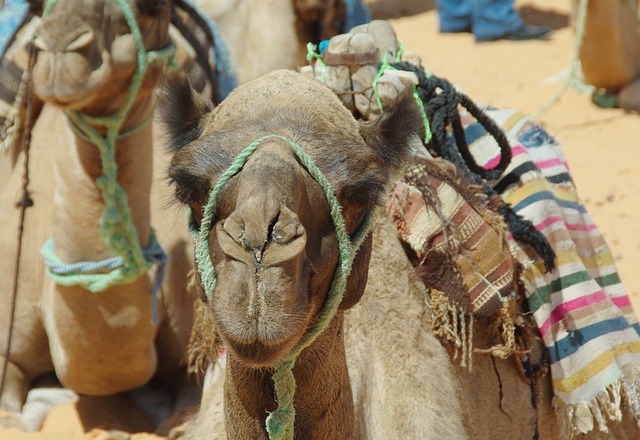
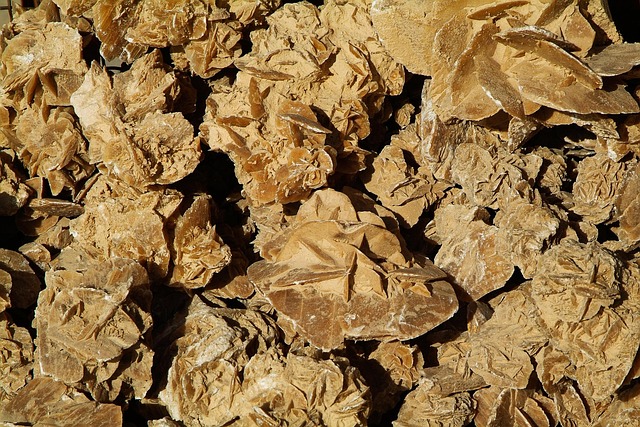
Desert transformation through greening initiatives. Photo: I Hug Trees

Understanding Desert Greening

What is Desert Greening and Why Does It Matter?

Desert greening is the process of transforming arid and degraded lands into productive, vegetated ecosystems through strategic restoration techniques. Deserts and drylands cover over 40% of Earth's land surface and support more than 2 billion people, yet climate change and unsustainable land management are expanding desert areas at an alarming rate—a process called desertification. Every year, an estimated 12 million hectares of productive land become desert, threatening food security, water resources, and biodiversity.

Desert greening matters profoundly for global sustainability. Restored desert lands can sequester significant amounts of carbon, helping combat climate change. They provide critical habitat for unique desert species adapted to extreme conditions. Most importantly, greening projects create sustainable livelihoods for desert communities through agriculture, forestry, and ecosystem services. Success stories from China's Loess Plateau, Israel's Negev Desert, and Africa's Great Green Wall demonstrate that with proper techniques and commitment, even the harshest deserts can bloom.

How is Desert Greening Achieved and Sustained?

Successful desert greening requires a multifaceted approach combining water management, appropriate vegetation, and community engagement. Water is the fundamental constraint— innovations like drip irrigation, rainwater harvesting, fog collection, and sustainable groundwater use make greening possible with minimal resources. Native drought-resistant plants and trees adapted to local conditions are essential; they survive with less water, prevent soil erosion, and support local ecosystems better than introduced species.

Sustaining desert greening demands long-term commitment. Sand dune stabilization using vegetation barriers and soil amendments prevents re-desertification. Renewable energy, particularly solar power, provides electricity for water pumping and community development without environmental degradation. Most critically, local communities must benefit economically from restoration through sustainable agriculture, ecotourism, or carbon credits. Technology plays an increasing role—satellite monitoring tracks vegetation growth, AI optimizes irrigation, and drones assist in seed dispersal. When combining traditional knowledge with modern innovation and ensuring community ownership, desert greening projects achieve lasting transformation.

Desert Greening Projects Worldwide

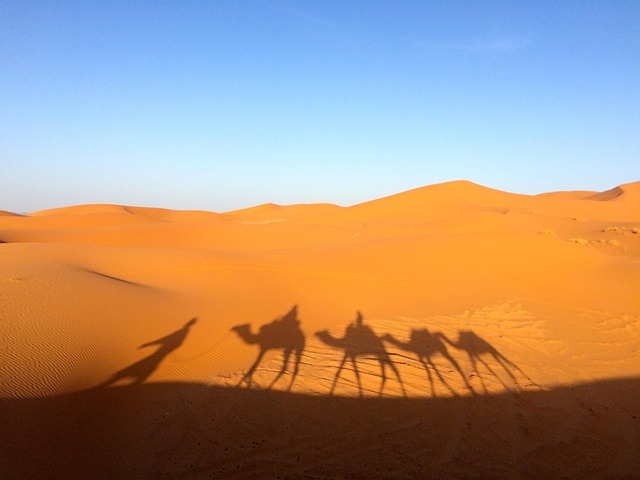
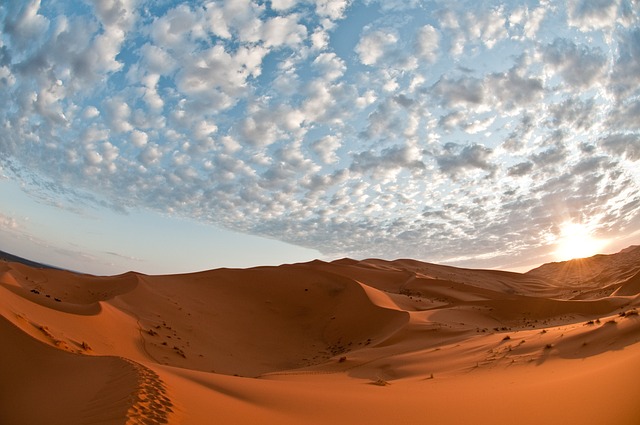
Desert greening project showing transformed arid landscape

Photo by mtorrazzina on Pixabay

Major desert restoration initiatives, like the Great Green Wall, are making significant progress in combating desertification across the globe[1]. The Great Green Wall, a flagship project uniting 11 countries in the Sahel, aims to restore 100 million hectares by 2030 and has already created an 8-kilometer wall of trees[5]. Afforestation projects in deserts such as the Sahara and Gobi are showing promise, with remote sensing methods indicating positive changes in vegetation cover[1]. Successful greening efforts in the Middle East leverage advanced technologies and sustainable practices to enhance environmental sustainability[2].

Global desert transformation is increasingly driven by innovative approaches, including machine learning and field-based assessments, to monitor and improve restoration efforts[3]. These projects not only aim to reverse desertification but also create green jobs and enhance carbon capture, providing socio-economic benefits alongside environmental gains[4][5]. The integration of local communities in these initiatives ensures sustainable outcomes and long-term success in desert greening[4].

The collective efforts in desert restoration highlight a balanced approach of realism and hope, demonstrating that with concerted global action, significant progress can be made in transforming degraded lands into thriving ecosystems[1][5].


Water Management & Innovation

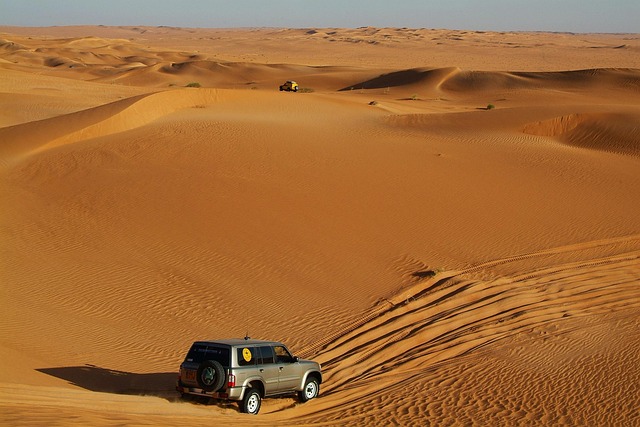
Innovative water management system in desert region

Photo by pixelRaw on Pixabay

Water management and innovation are crucial in addressing global water scarcity and ensuring sustainable water use[1]. Advances in drip irrigation have revolutionized water efficiency in agriculture, significantly reducing water usage and improving crop yields[2]. Desalination technology, particularly in arid regions, offers a promising solution by converting seawater into potable water, as demonstrated by Israel's successful implementation[3]. Water harvesting techniques, such as rainwater collection in cisterns, provide a reliable water source during droughts, enhancing agricultural resilience[4]. Additionally, groundwater conservation practices are essential to maintain aquifer levels and ensure long-term water availability[1].

Innovative water solutions for arid regions are increasingly vital as climate change exacerbates water scarcity[1]. Israel's agricultural success in desert conditions highlights the potential of integrating desalination, drip irrigation, and wastewater reuse[2]. These technologies not only support food production but also contribute to environmental sustainability by reducing greenhouse gas emissions and improving air quality[5]. Furthermore, community-driven water management initiatives, such as the use of buried cisterns in semi-arid regions, empower local farmers and enhance their adaptability to changing climate conditions[4]. As global water challenges intensify, continued innovation and adoption of these advanced water management practices are imperative.

Native Desert Plants & Adaptation

Native desert plants and drought-resistant vegetation

Photo by nike159 on Pixabay

Native desert plants have evolved remarkable adaptations to thrive in arid environments, making them crucial for ecosystem stability and resilience[1]. These drought-resistant species, known as xerophytes, exhibit unique physiological and morphological traits that conserve water and withstand extreme temperatures[2]. Research into these adaptations offers valuable insights for developing climate-adapted vegetation and drought-tolerant crops, which are essential in the face of global climate change[3]. For instance, the Atacama desert flower's ability to survive with minimal water could inspire new agricultural practices[4].

Restoring native plant communities in desert regions is vital for maintaining biodiversity and ecological balance[1]. Projects like the government-run nursery in Las Vegas, which utilizes Nevada inmates for planting and maintenance, demonstrate the potential for community-driven conservation efforts[1]. These initiatives not only help in preserving native species but also contribute to the overall health of desert ecosystems[5]. As climate patterns shift, the importance of these native, climate-adapted plants becomes increasingly apparent, highlighting the need for continued research and restoration efforts[3].

Technology & Satellite Monitoring

Satellite monitoring of desert greening progress

Photo by DEZALB on Pixabay

Satellite monitoring has become a pivotal tool in combating desertification, offering unprecedented insights into the progression of arid lands. Utilizing Gaofen-6 satellite data, researchers have developed remote sensing methods to effectively monitor desertification in regions like the Kubuqi Desert[1]. These methods leverage high-resolution imagery to detect subtle changes in vegetation cover and soil moisture, providing critical data for mitigation strategies. Additionally, the integration of Google Earth Engine with machine learning algorithms enhances the accuracy of desertification assessments, combining satellite data with hydrogeological field assessments for a comprehensive view[2].

Artificial Intelligence (AI) is revolutionizing desert monitoring by analyzing complex datasets to predict desertification trends and identify at-risk areas. AI-driven models can process vast amounts of satellite imagery and environmental data, offering real-time insights and enabling proactive measures[3]. Drone technology complements these efforts by providing detailed, localized data on soil conditions and vegetation health, allowing for precise interventions in affected areas[4]. Furthermore, Geographic Information Systems (GIS) applications are instrumental in mapping arid lands, facilitating the visualization of desertification patterns and informing land management decisions[5].

These technological advancements not only enhance our understanding of desertification but also empower communities and policymakers to implement effective restoration and conservation strategies. By leveraging satellite tracking, remote sensing innovations, AI, drone technology, and GIS applications, we can hope to mitigate the impacts of desertification and promote sustainable land management practices globally.

Renewable Energy & Development

Solar energy installation in desert area

Photo by chiaoyinanita on Pixabay

Renewable energy projects in arid regions, particularly solar farms in deserts, play a pivotal role in sustainable development. Solar energy in deserts leverages vast, underutilized spaces to generate clean power, significantly contributing to reducing carbon emissions[1]. However, the implementation of such projects must navigate complex environmental and social landscapes. For instance, solar energy projects in the Mojave Desert have sparked protests due to their impact on local ecosystems[2]. Despite these challenges, solar power generation in deserts like Qinghai in Northwest China has proven effective in combating desertification while providing sustainable energy[4]. This dual benefit highlights the potential of solar energy to foster both environmental restoration and energy security in arid lands.

The energy-water nexus is a critical consideration in the development of solar farms in deserts. Efficient water management strategies are essential to ensure that these projects do not exacerbate water scarcity in already arid regions[3]. Innovations in water-saving technologies and the integration of solar farms with agricultural practices can mitigate these risks, promoting a more sustainable approach to energy production[4]. Furthermore, the socioecological impacts of renewable projects in arid regions must be carefully managed to ensure the resilience of local communities and ecosystems[5]. Balancing energy needs with environmental stewardship is crucial for the long-term success of renewable energy initiatives in these challenging landscapes.

Sand Dune Stabilization

Sand dune stabilization techniques

Photo by jackmac34 on Pixabay

Sand dune stabilization is crucial for combating desertification and reversing land degradation. Techniques such as the use of biological mats, minimal irrigation, and heat-resistant vegetation have proven effective in stabilizing shifting sand dunes[1]. These methods not only fix the sand but also contribute to transforming desert landscapes into forested areas, significantly reducing soil erosion[1]. Additionally, the strategic planting of deep-rooted plants serves as a natural barrier against desertification, although these plants are increasingly threatened by climate change and overexploitation of water resources[4].

In regions like Michigan, the natural coverage of sand dunes by plants and trees has shown promising results in dune stabilization[2]. This natural process, supported by human intervention, highlights the potential for vegetation barriers to combat desertification effectively. Satellite technology plays a vital role in monitoring these efforts, providing crucial data for assessing the progress and effectiveness of stabilization projects[3]. The integration of satellite data with on-the-ground techniques offers a comprehensive approach to dune stabilization and desertification combat.

Innovative methods, such as those pioneered by Coastal Guardians in the Florida Keys, demonstrate the potential for localized solutions to protect shorelines and stabilize sand dunes[5]. These efforts underscore the importance of tailored approaches to address the specific challenges posed by sand dune erosion and desertification in various global contexts.

Community Impact & Livelihoods

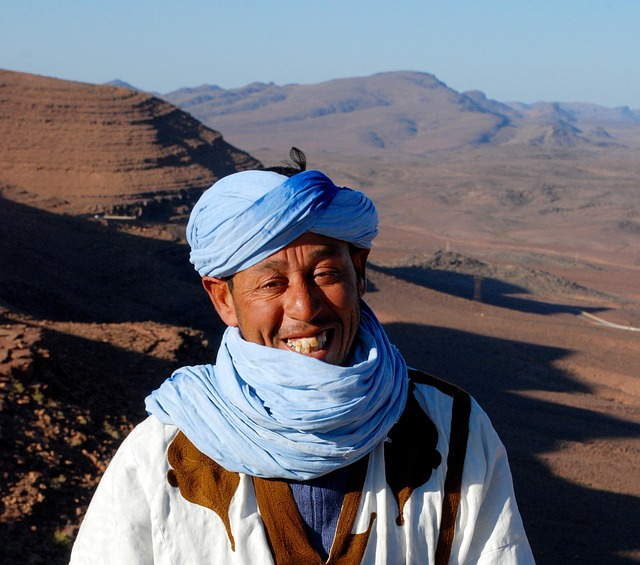
Local communities engaged in desert restoration

Photo by Trapuzarra on Pixabay

Desert communities are experiencing transformative benefits from greening initiatives, significantly impacting pastoral livelihoods and local economies[1]. The introduction of sustainable agricultural practices and the creation of oases have not only enhanced food security but also generated new income streams for residents[4]. These green spaces serve as vital hubs for community engagement, fostering a sense of ownership and collaboration in restoration efforts[5].

Economic impacts are profound, with studies showing that agriculture in desert regions can contribute billions to state economies[4]. This growth is further supported by the resilience of nomadic herders, whose genetic adaptations to desert living highlight the potential for thriving livelihoods in harsh environments[2][3]. The sustainability of these oases is crucial, ensuring long-term benefits for future generations.

Local engagement in restoration projects plays a pivotal role in maintaining these gains, emphasizing the importance of community-driven approaches to environmental stewardship[1]. By involving residents in decision-making processes, these initiatives ensure that the benefits of greening are both immediate and lasting, fostering a sustainable future for desert communities.

Challenges & Solutions

Overcoming challenges in desert greening

Photo by jackmac34 on Pixabay

Desert greening faces significant barriers, including limited funding, climate change impacts, and water scarcity[1]. Financial constraints hinder large-scale projects, while climate change exacerbates desertification[3]. Water scarcity in arid regions poses a major challenge for sustaining green initiatives[5]. Innovative solutions are crucial; for instance, the Green Climate Fund has allocated $300 million to projects in vulnerable areas, demonstrating a commitment to overcoming funding challenges[4]. Additionally, techniques like drip irrigation and the use of drought-resistant plants are proving effective in combating water scarcity[1].

Long-term sustainability requires a multifaceted approach. Collaboration between governments, NGOs, and local communities is essential to implement and maintain greening projects[2]. Education and awareness campaigns can foster community involvement and ensure the longevity of these efforts[5]. Furthermore, integrating traditional knowledge with modern technology can enhance the resilience of greened areas against climate change impacts[1]. By addressing these challenges with innovative and sustainable solutions, desert greening can become a viable strategy for combating desertification and promoting environmental health[3].

Thank you for reading this week's Desert Greening digest. The transformation of arid lands continues worldwide, bringing hope and sustainability to desert regions. We'll return next week with more insights from desert restoration projects around the globe.

📚 Referenced Sources

Desert Greening Projects Worldwide

  1. Remote sensing methods for monitoring desertification in the Kubuqi Desert using Gaofen-6 satellite data - Taylor & Francis Online (2026-03-27)
  2. Enhancing environmental sustainability and operational efficiency in a case study of limestone quarry in an arid climate - Nature (2026-03-27)
  3. Desertification monitoring in arid oasis environment using Google Earth Engine, machine learning, and field-based hydrogeological assessment | Scientific Reports - Nature (2026-03-27)
  4. How Can We Work With Nature to Tackle Drought and Desertification? - International Institute for Sustainable Development (2026-03-27)
  5. Africa's largest environmental restoration project creates an 8-kilometer wall of trees, unites 11 countries against desertification in the Sahel, aims to recover 100 million hectares by 2030, and focuses on green jobs and carbon capture to combat the advance of - CPG Click Petróleo e Gás (2026-03-27)

Water Management & Innovation

  1. Key Research Area: Environmental Engineering and Water Resources - University of Nevada, Las Vegas | UNLV (2026-03-27)
  2. With 60% desert coverage and water scarcity, Israel is achieving an agricultural miracle using desalination, drip irrigation, and wastewater reuse to harvest 300 tons per hectare and export luxury foods. - CPG Click Petróleo e Gás (2026-03-27)
  3. How pioneering technology transformed Israel’s desert into an agricultural oasis - Genetic Literacy Project (2026-03-27)
  4. Without wells and without relying on water trucks, farmers in the semi-arid region buried cisterns and began storing up to 16 liters of rainwater, transforming drought into a strategic reserve for production - CPG Click Petróleo e Gás (2026-03-27)
  5. Drip irrigation in arid regions can cut greenhouse gas emissions, improve air quality - UC Agriculture and Natural Resources (2026-03-27)

Native Desert Plants & Adaptation

  1. This government-run nursery in Las Vegas is staffed by Nevada inmates - Las Vegas Review-Journal (2026-03-27)
  2. Sodium-Related Adaptations to Drought: New Insights From the Xerophyte Plant Zygophyllum xanthoxylum - Frontiers (2026-03-27)
  3. Even Sonoran Desert plants aren’t immune to climate change - University of California, Riverside (2026-03-27)
  4. Chile's Atacama desert flower could hold key to drought tolerant crops - Reuters (2026-03-27)
  5. Michigan sand dunes increasingly covered by plants and trees, new study shows - FOX 2 Detroit (2026-03-27)

Technology & Satellite Monitoring

  1. Remote sensing methods for monitoring desertification in the Kubuqi Desert using Gaofen-6 satellite data - Taylor & Francis Online (2026-03-27)
  2. Desertification monitoring in arid oasis environment using Google Earth Engine, machine learning, and field-based hydrogeological assessment | Scientific Reports - Nature (2026-03-27)
  3. Drones & Data: Learning How to Restore a Complex River System with AI - Utah State Magazine (2026-03-27)
  4. China's Gobi Desert wind farm pioneers AI-driven acoustic monitoring for turbine maintenance - bastillepost.com (2026-03-27)
  5. CREAF science aims to remedy growing desertification - CREAF (2026-03-27)

Renewable Energy & Development

  1. Global experts discuss leveraging oasis biosphere reserves to empower sustainability in arid lands - China Daily (2026-03-27)
  2. As crews chainsaw Joshua trees, Mojave Desert community protests solar energy project - Los Angeles Times (2026-03-27)
  3. Desert Solar—A Spectacular Fiction, Not a Spectacular Future - Middle East Research and Information Project (2026-03-27)
  4. NW China's Qinghai combats desertification through solar power generation and animal husbandry - People's Daily Online (2026-03-27)
  5. Spatiotemporal evolution and obstacles of tourism socioecological system sustainability from pressure and resilience perspective in arid regions - Nature (2026-03-27)

Sand Dune Stabilization

  1. China is stabilizing shifting sand dunes and transforming desert into forest using biological mats that fix sand, minimal irrigation, and heat-resistant species to reclaim more than 6.000 km² in one of the most hostile environments on the planet. - CPG Click Petróleo e Gás (2026-03-27)
  2. Michigan sand dunes increasingly covered by plants and trees, new study shows - FOX 2 Detroit (2026-03-27)
  3. UNCCD recognises importance of satellites for combating desertification - European Space Agency (2026-03-27)
  4. Deep-rooted plants, key to preventing desertification, at risk from climate change and overexploitation of aquifers - CREAF (2026-03-27)
  5. FAU | Coastal Guardians Pioneer Method to Protect Florida Keys’ Shorelines - Florida Atlantic University (2026-03-27)

Community Impact & Livelihoods

  1. New Oasis International Foundation Redefines Philanthropy Through Sustainable Finance Model - Digital Journal (2026-03-27)
  2. Genetic study of nomadic herders in Kenya shows what it takes to adapt to desert living - University of California, Berkeley (2026-03-27)
  3. Genetic study of nomadic herders in Kenya shows what it takes to adapt to desert living - University of California, Berkeley (2026-03-27)
  4. Yuma agriculture generates $4.4B in state economic activity, U of A study finds - University of Arizona News (2026-03-27)
  5. Urban Farm Oasis serves as South Berkeley center for community, sustainability - Daily Cal (2026-03-27)

Challenges & Solutions

  1. How Can We Work With Nature to Tackle Drought and Desertification? - International Institute for Sustainable Development (2026-03-27)
  2. Desertification, Land Degradation and Drought, and the Role of Geneva - Geneva Environment Network (2026-03-27)
  3. Explainer: ‘Desertification’ and the role of climate change - Carbon Brief (2026-03-27)
  4. Green Climate Fund approves a record $300 million for FAO-designed projects in Papua New Guinea, Saint Lucia and the Sahel - Food and Agriculture Organization (2026-03-27)
  5. Land degradation in Uzbekistan: key challenges and sustainable solutions - Frontiers (2026-03-27)