
I Hug Trees

Desert Greening

Transforming Arid Lands – Weekly

Global desert restoration, water innovation, and sustainable development from arid regions, every week.

📅 2026-04-03 ⏱️ 14 min read 🌵 Weekly

Week of 2026-04-03

Desert Greening

Global desert restoration, water innovation, and sustainable development from arid regions, every week.

This Week's Highlights

Desert greening and desertification control are vital to preserving our planet's fragile ecosystems and ensuring sustainable development in arid regions. This week, we delve into groundbreaking advancements and innovations aimed at combating desertification and restoring degraded lands. Major developments include the utilization of remote sensing methods and satellite data for precise desertification monitoring, such as the Gaofen-6 satellite's insights into the Kubuqi Desert and Google Earth Engine's machine learning applications in arid oases. Water management innovations are also at the forefront, addressing persistent water scarcity through renewable energy solutions and sustainable finance models. Key themes this week encompass technology-driven monitoring, community-based sand stabilization efforts, and the integration of renewable energy in desert restoration projects. Additionally, global experts are converging to discuss leveraging oasis biosphere reserves for sustainability in arid lands. As we navigate these challenges and solutions, stay tuned for in-depth analyses and success stories that highlight the relentless pursuit of a greener, more resilient future for our deserts.

Desert greening transformation

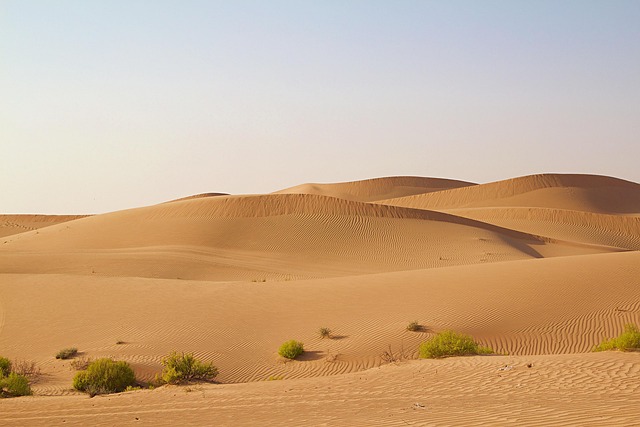
Desert transformation through greening initiatives. Photo: I Hug Trees

Understanding Desert Greening

What is Desert Greening and Why Does It Matter?

Desert greening is the process of transforming arid and degraded lands into productive, vegetated ecosystems through strategic restoration techniques. Deserts and drylands cover over 40% of Earth's land surface and support more than 2 billion people, yet climate change and unsustainable land management are expanding desert areas at an alarming rate—a process called desertification. Every year, an estimated 12 million hectares of productive land become desert, threatening food security, water resources, and biodiversity.

Desert greening matters profoundly for global sustainability. Restored desert lands can sequester significant amounts of carbon, helping combat climate change. They provide critical habitat for unique desert species adapted to extreme conditions. Most importantly, greening projects create sustainable livelihoods for desert communities through agriculture, forestry, and ecosystem services. Success stories from China's Loess Plateau, Israel's Negev Desert, and Africa's Great Green Wall demonstrate that with proper techniques and commitment, even the harshest deserts can bloom.

How is Desert Greening Achieved and Sustained?

Successful desert greening requires a multifaceted approach combining water management, appropriate vegetation, and community engagement. Water is the fundamental constraint— innovations like drip irrigation, rainwater harvesting, fog collection, and sustainable groundwater use make greening possible with minimal resources. Native drought-resistant plants and trees adapted to local conditions are essential; they survive with less water, prevent soil erosion, and support local ecosystems better than introduced species.

Sustaining desert greening demands long-term commitment. Sand dune stabilization using vegetation barriers and soil amendments prevents re-desertification. Renewable energy, particularly solar power, provides electricity for water pumping and community development without environmental degradation. Most critically, local communities must benefit economically from restoration through sustainable agriculture, ecotourism, or carbon credits. Technology plays an increasing role—satellite monitoring tracks vegetation growth, AI optimizes irrigation, and drones assist in seed dispersal. When combining traditional knowledge with modern innovation and ensuring community ownership, desert greening projects achieve lasting transformation.

Desert Greening Projects Worldwide

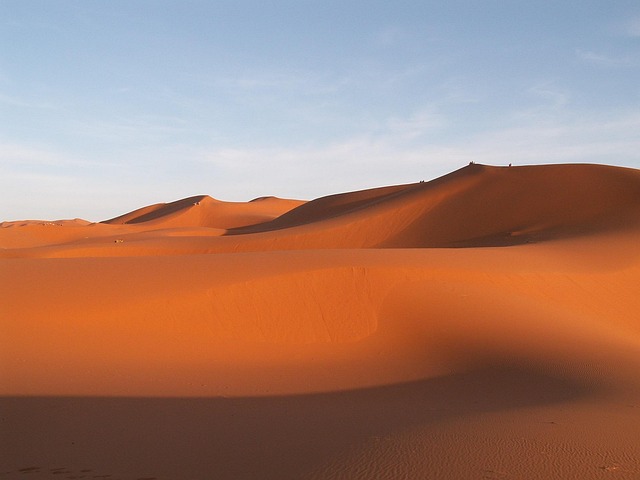
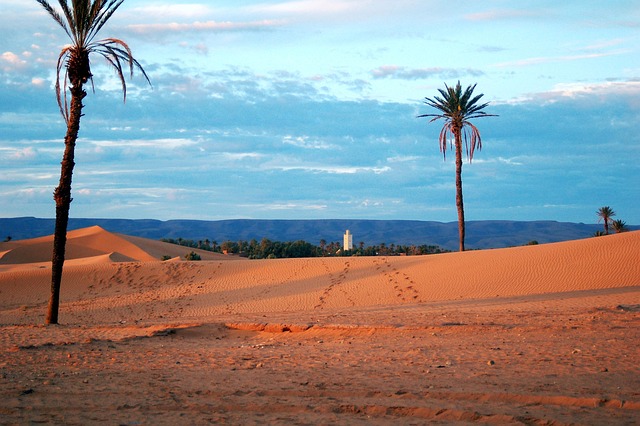
Desert greening project showing transformed arid landscape

Photo by Peggychoucair on Pixabay

Desert greening projects are gaining momentum worldwide, with significant initiatives underway in various regions. The Great Green Wall, a flagship project in Africa, aims to combat desertification across the Sahel region[1]. Recent progress shows that 18 out of 21 participating countries have restored over 15 million hectares of degraded land[2]. In China, the Kubuqi Desert has seen remarkable transformation through afforestation efforts, reducing desertification by 67%[3]. Similarly, the Middle East is witnessing successful greening efforts, with countries like the United Arab Emirates implementing large-scale afforestation projects[4]. These initiatives not only restore ecosystems but also provide socio-economic benefits to local communities.

The Sahara Desert is also experiencing greening efforts, with projects focusing on reforestation and sustainable land management[5]. In the Gobi Desert, China's greening projects have led to significant changes in the local water table, highlighting the interconnectedness of ecological restoration and hydrological systems[5]. Globally, these desert transformation projects are crucial in the fight against climate change, offering hope for a more sustainable future. The success of these initiatives underscores the importance of international cooperation and innovative approaches in addressing desertification.
Water Management & Innovation

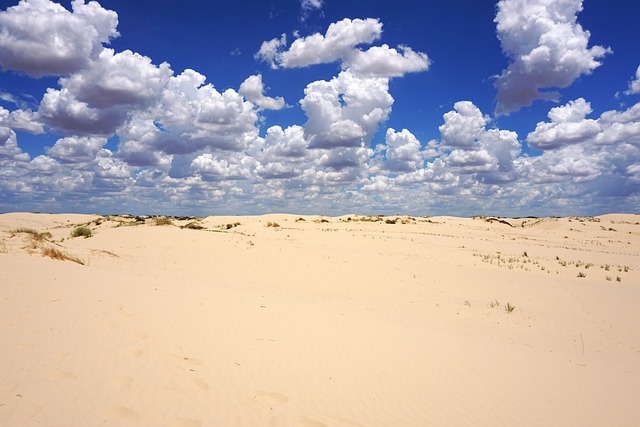
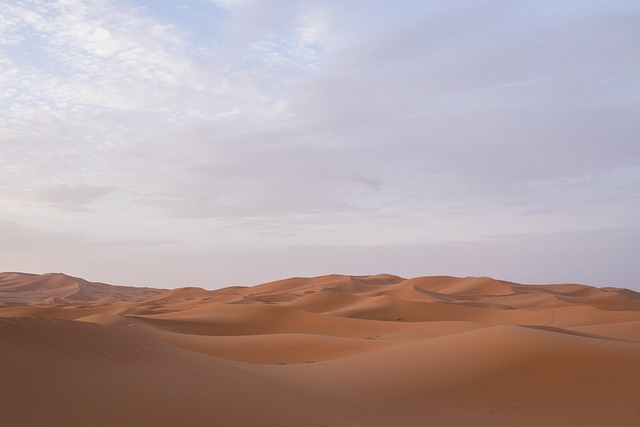
Innovative water management system in desert region

Photo by YakupIpek on Pixabay

Water management and innovation are crucial for addressing global water scarcity. Drip irrigation advances have shown significant promise in arid regions, reducing water usage and improving crop yields[2]. Water harvesting techniques, such as rainwater collection and groundwater recharge, help augment local water supplies[3]. Desalination technology, though energy-intensive, offers a viable solution for coastal areas facing freshwater shortages[2]. Groundwater conservation practices, including managed aquifer recharge, are essential for sustaining this vital resource[1]. Innovative solutions for arid regions, like mulched drip irrigation, enhance soil moisture retention and reduce evaporation[5].

Implementing these technologies requires a multi-faceted approach. Governments and organizations must invest in research and development to improve efficiency and reduce costs[4]. Education and training programs are necessary to ensure farmers and communities can effectively adopt and maintain these innovations[3]. Collaboration between nations, particularly those sharing water resources, is vital for sustainable management and equitable distribution[2]. By embracing these advancements, we can work towards a more water-secure future for all.

Native Desert Plants & Adaptation

Native desert plants and drought-resistant vegetation

Photo by makunin on Pixabay

Native desert plants exhibit remarkable adaptations to thrive in arid environments[1]. These drought-resistant species, known as xerophytes, have evolved unique mechanisms to conserve water and survive extreme temperatures[2]. Research into xerophytes like Zygophyllum xanthoxylum reveals sodium-related adaptations that enhance drought tolerance[1]. Such studies are crucial for developing climate-adapted vegetation and restoring native plant ecosystems[3]. Efforts to reintroduce native species help maintain desert ecology and biodiversity, ensuring these environments remain resilient against climate change[4].

The Atacama desert flower, native to Chile, demonstrates exceptional drought tolerance and could provide insights for creating drought-resistant crops[3]. Similar resilience is observed in the Sonoran Desert, where plants show unexpected adaptability to changing climates[2]. Scientists are exploring these adaptations to develop strategies for native plant restoration and to combat the impacts of wildfires in the US Southwest[5]. By understanding and leveraging these natural adaptations, we can enhance global efforts to preserve and restore desert ecosystems.

The ongoing research and restoration efforts highlight the importance of native desert plants in maintaining ecological balance and adapting to climate challenges[2][5]. These initiatives not only protect biodiversity but also offer hope for sustainable agriculture and resilient landscapes in the face of global climate change[3][4].

Technology & Satellite Monitoring

Satellite monitoring of desert greening progress

Photo by birgitender on Pixabay

Satellite monitoring has become a pivotal tool in tracking desertification, leveraging advanced technologies to gather critical data on land degradation. Remote sensing innovations, such as the use of Gaofen-6 satellite data, provide detailed imagery and analytics to monitor changes in desert landscapes[1]. These methods allow for precise measurements of vegetation cover, soil moisture, and surface temperature, which are essential indicators of desertification. Additionally, the integration of Google Earth Engine with machine learning algorithms enhances the accuracy of desertification assessments, combining satellite data with ground-based observations[2].

Artificial intelligence (AI) plays a significant role in analyzing vast amounts of satellite data, identifying patterns and predicting future trends in desertification. AI-driven models can process complex datasets more efficiently than traditional methods, offering insights into the dynamics of arid environments[3]. Drone technology complements satellite monitoring by providing high-resolution, on-the-ground data that can be used to validate satellite observations and conduct detailed studies of specific areas[4]. Geographic Information Systems (GIS) applications further support these efforts by integrating various data sources to create comprehensive maps and models of arid lands, aiding in the planning and implementation of restoration projects[5].

Renewable Energy & Development

Solar energy installation in desert area

Photo by Jonny_Joka on Pixabay

Renewable energy development, particularly solar energy in deserts, is gaining traction as a vital solution to the energy-water nexus in arid regions[1]. Solar farms in these areas not only provide sustainable energy but also contribute to greening efforts, combating desertification[2]. For instance, China's solar projects have shown significant promise in reducing water scarcity and promoting sustainable development[3]. However, the implementation of such projects must be carefully managed to avoid adverse environmental impacts, as seen in the Mojave Desert protests against solar energy projects[4]. Balancing energy needs with ecological preservation is crucial for the success of these initiatives.

The integration of solar energy in arid regions is not without challenges. The construction of solar farms can disrupt local ecosystems and habitats, as highlighted by community protests in the Mojave Desert[4]. Nevertheless, when executed with proper environmental assessments and community engagement, these projects can yield substantial benefits. They offer a renewable energy source that reduces dependence on fossil fuels and contributes to global efforts in mitigating climate change[5]. Moreover, the greening effects of solar farms can help restore degraded lands, fostering biodiversity and enhancing the resilience of arid ecosystems.

In conclusion, the development of renewable energy in deserts presents a complex but promising avenue for sustainable development. It requires a delicate balance between energy production and environmental stewardship. By leveraging the potential of solar energy in arid regions, we can address the energy-water nexus while promoting ecological restoration and sustainable growth[2][3].

Sand Dune Stabilization

Sand dune stabilization techniques

Photo by TTS_Adliswil on Pixabay

Sand dune stabilization is crucial in combating desertification and land degradation, employing techniques such as vegetation barriers and soil erosion control[1]. These methods help fix sand dunes, preventing them from shifting and encroaching on arable land[3]. Vegetation plays a pivotal role by anchoring the sand with its roots, reducing wind erosion, and promoting soil stability[2]. Studies show that increased plant coverage on dunes significantly decreases sand mobility and enhances ecosystem resilience[4]. Additionally, satellite technology is increasingly recognized for its role in monitoring and managing desertification, providing valuable data for effective sand dune stabilization strategies[3].

The reversal of land degradation through sand dune stabilization not only preserves ecosystems but also supports local communities by maintaining fertile lands and protecting infrastructure[1]. Techniques like the use of native plants and the construction of windbreaks have proven effective in various regions, showcasing the potential for global application[5]. Furthermore, these efforts contribute to carbon sequestration, offering a dual benefit of climate change mitigation and habitat restoration[2]. The success of sand dune stabilization projects underscores the importance of integrating traditional knowledge with modern technology to achieve sustainable outcomes[4].

Community Impact & Livelihoods

Local communities engaged in desert restoration

Photo by RJA1988 on Pixabay

Desert communities are experiencing transformative benefits from greening initiatives, which foster sustainable livelihoods and economic growth[1]. Pastoral livelihoods, deeply rooted in these arid regions, are adapting to the changing environment through innovative practices and community-led restoration projects[2]. These efforts not only enhance local economies but also ensure the sustainability of oases, critical lifelines in desert landscapes[3]. Engaging local populations in restoration work creates a sense of ownership and responsibility, leading to more resilient and self-sufficient communities[4]. The integration of traditional knowledge with modern techniques is proving essential in combating desertification and promoting long-term ecological balance[5].

Economic impacts are significant, with greening projects stimulating local markets and creating new job opportunities[3]. For instance, the agricultural sector in Yuma generates substantial economic activity, highlighting the potential for similar success in other desert regions[3]. Oasis sustainability is crucial, as these areas serve as vital hubs for biodiversity and human activity[5]. By investing in the restoration and maintenance of oases, communities can secure their future against the threats posed by climate change and desertification[4]. This holistic approach ensures that both the environment and local economies thrive in harmony.

Local engagement in restoration efforts is key to the success of these initiatives[4]. When communities are involved in the planning and execution of greening projects, they are more likely to adopt and sustain these practices[5]. This grassroots approach not only improves the likelihood of project success but also empowers communities to take charge of their own development[1]. As a result, the benefits of greening extend beyond environmental improvements, fostering social cohesion and economic resilience in desert communities[2].

Challenges & Solutions

Desert greening faces numerous barriers, including desertification, land degradation, and drought[1]. Funding challenges persist, with limited financial support for sustainable projects[3]. Climate change exacerbates these issues, altering precipitation patterns and increasing temperatures[4]. However, innovative solutions are emerging. The Green Climate Fund has approved substantial funding for FAO-designed projects, demonstrating a commitment to combating desertification[5]. Additionally, research grants, like the $1.3M NSF grant, support ecosystem restoration efforts[3]. Overcoming water scarcity through technologies like desalination and rainwater harvesting is crucial. Long-term sustainability requires global collaboration, policy support, and community involvement to ensure the success and durability of desert greening initiatives.

In Brazil’s semi-arid region, small farmers are working exhausted lands, highlighting the urgent need for government intervention and support[2]. The approval of $300 million by the Green Climate Fund for projects in Papua New Guinea, Saint Lucia, and the Sahel signifies a significant step towards addressing desertification on a global scale[5]. These efforts underscore the importance of international cooperation and financial investment in overcoming the challenges of desert greening. By leveraging innovative technologies and sustainable practices, we can mitigate the impacts of climate change and work towards a greener, more resilient future.

Thank you for reading this week's Desert Greening digest. The transformation of arid lands continues worldwide, bringing hope and sustainability to desert regions. We'll return next week with more insights from desert restoration projects around the globe.

📚 Referenced Sources

Desert Greening Projects Worldwide

  1. Remote sensing methods for monitoring desertification in the Kubuqi Desert using Gaofen-6 satellite data - tandfonline.com (2026-04-03)
  2. Desertif’action as a Platform to Amplify Civil Society Voices in the Fight Against Drought, Desertification, and Land Degradation - International Union for Conservation of Nature (2026-04-03)
  3. Enhancing environmental sustainability and operational efficiency in a case study of limestone quarry in an arid climate - Nature (2026-04-03)
  4. Desertification monitoring in arid oasis environment using Google Earth Engine, machine learning, and field-based hydrogeological assessment | Scientific Reports - Nature (2026-04-03)
  5. China’s Desert Greening Projects Altering its Water Table: Study - Asia Financial (2026-04-03)

Water Management & Innovation

  1. Persistent Water Scarcity Due To High Irrigation Demand in Arid China: A Case Study in the North Slope of the Tianshan Mountains - AGU Publications (2026-04-03)
  2. How pioneering technology transformed Israel’s desert into an agricultural oasis - Genetic Literacy Project (2026-04-03)
  3. Towards sustainable water management in Morocco: assessing resources, challenges, and adaptation strategies - Frontiers (2026-04-03)
  4. Drip irrigation in arid regions can cut greenhouse gas emissions, improve air quality - UC Agriculture and Natural Resources (2026-04-03)
  5. Mulched drip irrigation: a promising practice for sustainable agriculture in China’s arid region - Nature (2026-04-03)

Native Desert Plants & Adaptation

  1. Sodium-Related Adaptations to Drought: New Insights From the Xerophyte Plant Zygophyllum xanthoxylum - Frontiers (2026-04-03)
  2. Even Sonoran Desert plants aren’t immune to climate change - University of California, Riverside (2026-04-03)
  3. Chile's Atacama desert flower could hold key to drought tolerant crops - Reuters (2026-04-03)
  4. Michigan sand dunes increasingly covered by plants and trees, new study shows - FOX 2 Detroit (2026-04-03)
  5. Scientists Racing to Address Wildfires in the US Southwest See Some Unexpected Desert Resilience - Earth Island Institute (2026-04-03)

Technology & Satellite Monitoring

  1. Remote sensing methods for monitoring desertification in the Kubuqi Desert using Gaofen-6 satellite data - tandfonline.com (2026-04-03)
  2. Desertification monitoring in arid oasis environment using Google Earth Engine, machine learning, and field-based hydrogeological assessment | Scientific Reports - Nature (2026-04-03)
  3. Satellite data instrumental in combating desertification - European Space Agency (2026-04-03)
  4. Drones & Data: Learning How to Restore a Complex River System with AI - Utah State Magazine (2026-04-03)
  5. A Deluge for the Sahara: Satellites Tracked Extreme Rain Where It Feels Impossible - The Economic Times (2026-04-03)

Renewable Energy & Development

  1. Persistent Water Scarcity Due To High Irrigation Demand in Arid China: A Case Study in the North Slope of the Tianshan Mountains - AGU Publications (2026-04-03)
  2. Global experts discuss leveraging oasis biosphere reserves to empower sustainability in arid lands - China Daily (2026-04-03)
  3. China's green energy solution powers sustainability while combating desertification - Xinhua (2026-04-03)
  4. As crews chainsaw Joshua trees, Mojave Desert community protests solar energy project - Los Angeles Times (2026-04-03)
  5. Desert Solar—A Spectacular Fiction, Not a Spectacular Future - Middle East Research and Information Project (2026-04-03)

Sand Dune Stabilization

  1. Desertif’action as a Platform to Amplify Civil Society Voices in the Fight Against Drought, Desertification, and Land Degradation - International Union for Conservation of Nature (2026-04-03)
  2. Michigan sand dunes increasingly covered by plants and trees, new study shows - FOX 2 Detroit (2026-04-03)
  3. UNCCD recognises importance of satellites for combating desertification - European Space Agency (2026-04-03)
  4. FAU | Coastal Guardians Pioneer Method to Protect Florida Keys’ Shorelines - Florida Atlantic University (2026-04-03)
  5. New Study Examines the Role of Roots and Below Ground Plant Structures on Dune Dynamics - coastalscience.noaa.gov (2026-04-03)

Community Impact & Livelihoods

  1. New Oasis International Foundation Redefines Philanthropy Through Sustainable Finance Model - Digital Journal (2026-04-03)
  2. Genetic study of nomadic herders in Kenya shows what it takes to adapt to desert living - University of California, Berkeley (2026-04-03)
  3. Yuma agriculture generates $4.4B in state economic activity, U of A study finds - University of Arizona News (2026-04-03)
  4. New Oasis International Foundation Finalizes Global Incorporation for Sustainable Impact Model - TradingView (2026-04-03)
  5. Between Marginalization and Climate Change: The Resilience of Morocco’s Ait Khabbash - Carnegie Endowment for International Peace (2026-04-03)

Challenges & Solutions

  1. Desertification, Land Degradation and Drought, and the Role of Geneva - Geneva Environment Network (2026-04-03)
  2. In Brazil’s Semi-Arid Region, Small Farmers Work Exhausted Lands, Hoping a New Government Will Revive the War on Desertification - Inside Climate News (2026-04-03)
  3. $1.3M NSF grant to fund research into restoration of degraded ecosystems - The Pennsylvania State University (2026-04-03)
  4. Explainer: ‘Desertification’ and the role of climate change - Carbon Brief (2026-04-03)
  5. Green Climate Fund approves a record $300 million for FAO-designed projects in Papua New Guinea, Saint Lucia and the Sahel - Food and Agriculture Organization (2026-04-03)