I Hug Trees

Desert Greening

Transforming Arid Lands – Weekly

Global desert restoration, water innovation, and sustainable development from arid regions, every week.

📅 2026-04-17 ⏱️ 14 min read 🌵 Weekly

Week of 2026-04-17

Desert Greening

Global desert restoration, water innovation, and sustainable development from arid regions, every week.

This Week's Highlights

Desert greening is not just a visionary dream but a pressing necessity in our fight against desertification and climate change. This week, we delve into groundbreaking developments that underscore the importance of desert restoration and water management innovations. From the use of remote sensing technology to monitor degradation in the Hamoun International Wetland to the application of Google Earth Engine and machine learning for desertification monitoring in arid oasis environments, technology is paving the way for more effective interventions. Additionally, global experts convene to discuss the role of oasis biosphere reserves in promoting sustainability. This week also shines a spotlight on Israel's remarkable agricultural achievements amidst desert conditions, offering valuable insights into water management strategies. Major themes this week include the integration of technology in monitoring and assessment, the exploration of renewable energy solutions, and the critical role of community impact and genetic adaptation in desert living. Join us as we explore these pivotal stories and more in this week's digest.

Desert greening transformation

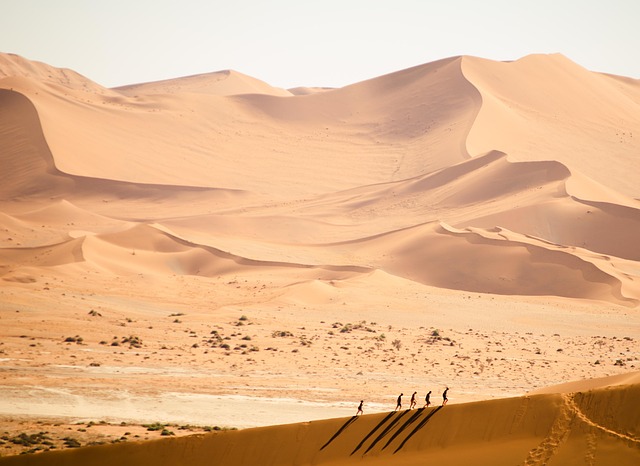
Desert transformation through greening initiatives. Photo: I Hug Trees

Understanding Desert Greening

What is Desert Greening and Why Does It Matter?

Desert greening is the process of transforming arid and degraded lands into productive, vegetated ecosystems through strategic restoration techniques. Deserts and drylands cover over 40% of Earth's land surface and support more than 2 billion people, yet climate change and unsustainable land management are expanding desert areas at an alarming rate—a process called desertification. Every year, an estimated 12 million hectares of productive land become desert, threatening food security, water resources, and biodiversity.

Desert greening matters profoundly for global sustainability. Restored desert lands can sequester significant amounts of carbon, helping combat climate change. They provide critical habitat for unique desert species adapted to extreme conditions. Most importantly, greening projects create sustainable livelihoods for desert communities through agriculture, forestry, and ecosystem services. Success stories from China's Loess Plateau, Israel's Negev Desert, and Africa's Great Green Wall demonstrate that with proper techniques and commitment, even the harshest deserts can bloom.

How is Desert Greening Achieved and Sustained?

Successful desert greening requires a multifaceted approach combining water management, appropriate vegetation, and community engagement. Water is the fundamental constraint— innovations like drip irrigation, rainwater harvesting, fog collection, and sustainable groundwater use make greening possible with minimal resources. Native drought-resistant plants and trees adapted to local conditions are essential; they survive with less water, prevent soil erosion, and support local ecosystems better than introduced species.

Sustaining desert greening demands long-term commitment. Sand dune stabilization using vegetation barriers and soil amendments prevents re-desertification. Renewable energy, particularly solar power, provides electricity for water pumping and community development without environmental degradation. Most critically, local communities must benefit economically from restoration through sustainable agriculture, ecotourism, or carbon credits. Technology plays an increasing role—satellite monitoring tracks vegetation growth, AI optimizes irrigation, and drones assist in seed dispersal. When combining traditional knowledge with modern innovation and ensuring community ownership, desert greening projects achieve lasting transformation.

Desert Greening Projects Worldwide

Desert greening project showing transformed arid landscape

Photo by derbocholter on Pixabay

Desert greening projects are making significant strides worldwide, aiming to restore degraded lands and combat desertification. Major initiatives like the Great Green Wall in Africa have shown promising progress, with 20% expansion in 2024[1]. In the Gobi Desert, China's innovative afforestation projects have successfully created green zones, altering local water tables and fostering plant growth[3]. The Sahara Desert has also seen successful greening efforts, with various nations collaborating to plant millions of trees and restore ecosystems[4]. These projects not only enhance biodiversity but also provide economic benefits through sustainable agriculture and eco-tourism.

The Middle East is another region where desert greening projects are gaining momentum. Countries like the United Arab Emirates and Saudi Arabia are investing in large-scale afforestation and sustainable water management practices[2]. Additionally, global desert transformation efforts are being supported by international organizations, promoting knowledge sharing and technology transfer to enhance the effectiveness of these projects[4]. The integration of renewable energy sources, such as solar farms, has further boosted these initiatives by providing sustainable power and creating microclimates conducive to plant growth[5].

Overall, these desert greening projects represent a beacon of hope in the fight against desertification, showcasing the potential for global collaboration and innovation to restore and revitalize some of the planet's most arid regions.

Water Management & Innovation

Water management and innovation are critical in addressing global water scarcity, particularly in arid regions. Drip irrigation, a method that delivers water directly to plant roots, has shown significant advances in reducing water usage and improving crop yields[1]. This technique not only conserves water but also cuts greenhouse gas emissions and enhances air quality[5]. Additionally, water harvesting techniques, such as rainwater collection and storage, are essential in areas with limited water resources. Desalination technology, which removes salt from seawater, has become a viable solution for countries like Israel, where it is used extensively to supplement freshwater supplies[2][3].

Groundwater conservation is another crucial aspect of water management. Innovative methods to recharge aquifers and monitor groundwater levels help sustain this vital resource[4]. In arid regions, combining these technologies with traditional water management practices can lead to more sustainable outcomes. For instance, Israel’s success in transforming its desert landscapes into agricultural oases is a testament to the effectiveness of integrated water solutions[3]. These innovations not only support agricultural productivity but also ensure water security for future generations.

Native Desert Plants & Adaptation

Native desert plants and drought-resistant vegetation

Photo by congerdesign on Pixabay

Native desert plants, including drought-resistant species, are vital for maintaining desert ecology and biodiversity[1]. Research into xerophytes, plants adapted to arid conditions, reveals fascinating adaptations. For instance, dark septate endophytes isolated from xerophyte plants enhance growth under drought conditions[2]. This discovery holds promise for developing drought-tolerant crops, potentially revolutionizing agriculture in arid regions.

Climate change poses significant challenges to desert vegetation. Even Sonoran Desert plants, known for their resilience, are not immune[3]. Shifts in temperature and precipitation patterns are altering native plant communities, emphasizing the need for native plant restoration efforts[4]. Restoring native vegetation is crucial for preserving desert ecosystems and their biodiversity.

Efforts to cultivate climate-adapted vegetation are underway, with projects like the government-run nursery in Las Vegas, where Nevada inmates are involved in native plant restoration[1]. These initiatives not only aid in ecosystem recovery but also provide valuable skills and opportunities for inmates, fostering a sense of purpose and community engagement in environmental conservation.

Technology & Satellite Monitoring

Satellite monitoring of desert greening progress

Photo by kieutruongphoto on Pixabay

Satellite tracking has become instrumental in monitoring desertification, offering a bird's-eye view of Earth's changing landscapes. Remote sensing innovations, like those used in the Hamoun International Wetland, provide detailed data on degradation severity[1]. These technologies allow scientists to assess the extent of desertification and its impact on ecosystems. Additionally, machine learning algorithms integrated with Google Earth Engine enhance desertification monitoring in arid oasis environments, offering precise assessments and predictions[2]. This fusion of technology and environmental science is crucial for understanding and mitigating the effects of desertification.

Artificial Intelligence (AI) plays a significant role in desert monitoring, analyzing vast amounts of satellite data to identify patterns and changes in desert landscapes. Drone technology complements satellite monitoring by providing high-resolution, ground-level data, crucial for detailed analysis of desertification processes[3]. Geographic Information Systems (GIS) applications are increasingly used in arid lands to map and analyze spatial data, aiding in the management and conservation of these fragile environments[4]. The integration of these technologies offers a comprehensive approach to combating desertification, blending data-driven insights with on-the-ground realities.

The synergy between satellite monitoring, AI, drone technology, and GIS applications represents a significant leap forward in our ability to understand and address desertification. These tools not only enhance our knowledge of desert ecosystems but also empower policymakers and conservationists to make informed decisions. As technology continues to evolve, its role in environmental monitoring and conservation will become increasingly vital, offering hope for the preservation of our planet's arid regions[5].

Renewable Energy & Development

Solar energy installation in desert area

Photo by JPataG on Pixabay

Renewable energy projects, particularly solar farms, are increasingly being established in arid and desert regions, offering a dual benefit of energy generation and environmental restoration[1]. Solar energy in deserts, where sunlight is abundant, provides an ideal location for large-scale solar farms[3]. These projects not only contribute to sustainable development by reducing reliance on fossil fuels but also help combat desertification. In China's Qinghai province, solar power generation combined with animal husbandry has been effective in combating desertification[4]. Similarly, solar farms in the Gobi Desert have created cooler microclimates, fostering plant growth and contributing to desert greening[5].

The integration of renewable energy projects in arid regions addresses the energy-water nexus by minimizing water usage in energy production. Solar panels, for instance, require significantly less water compared to traditional power plants. This is crucial in water-scarce regions where every drop counts. Moreover, the establishment of solar farms can lead to the creation of green jobs, stimulating local economies and fostering community development[1]. As global demand for clean energy rises, leveraging solar energy in deserts emerges as a promising strategy for sustainable development and environmental conservation.

However, the implementation of such projects must be carefully managed to mitigate potential ecological impacts, such as habitat disruption[2]. Balancing energy needs with environmental preservation is key to ensuring that renewable energy projects contribute positively to both human and ecological well-being.

Sand Dune Stabilization

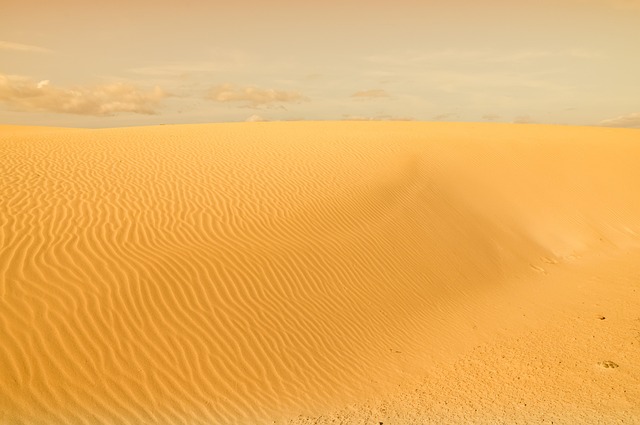
Sand dune stabilization techniques

Photo by heliofil on Pixabay

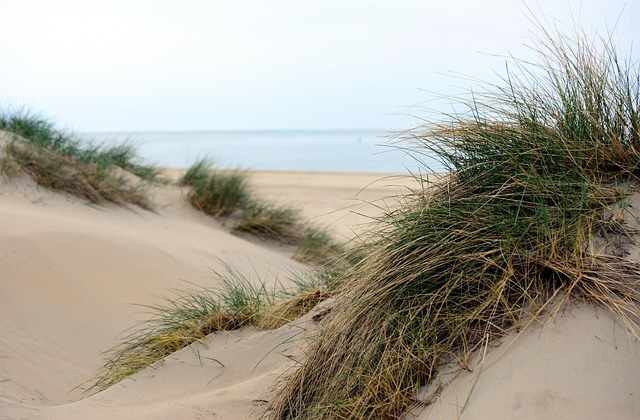
Sand dune stabilization is crucial for combating desertification and reversing land degradation. Techniques like mobile dune fixation using fast-growing clonal plants have shown promise in full life-cycle analyses[1]. These plants anchor sand dunes, preventing soil erosion and promoting vegetation growth. Nebkhas, small vegetation mounds, play significant roles in desertification control and biodiversity protection in arid regions[2]. They serve as natural barriers, trapping sand and fostering microhabitats for various species. In Michigan, increasing plant and tree coverage on sand dunes highlights the effectiveness of natural stabilization methods[3]. Additionally, biochar application offers a climate-smart approach to restore dryland soils, enhancing their capacity to retain water and nutrients[4].

Satellite technology is increasingly recognized for its role in monitoring and combating desertification[5]. By providing detailed data on land changes, satellites enable more effective implementation of stabilization techniques. Integrating these methods—plant fixation, nebkhas, biochar, and satellite monitoring—creates a comprehensive strategy for sand dune stabilization. This multi-faceted approach not only mitigates desertification but also supports ecosystem resilience and biodiversity in vulnerable regions.

Community Impact & Livelihoods

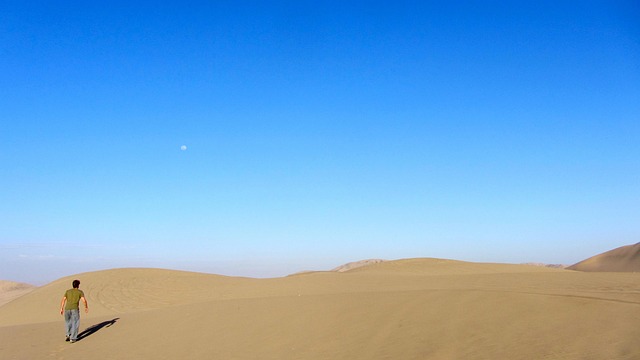
Local communities engaged in desert restoration

Photo by 165106 on Pixabay

Desert communities are experiencing significant benefits from greening initiatives, which improve pastoral livelihoods and contribute to economic growth[1]. The introduction of sustainable practices has led to the revitalization of oases, providing essential resources for both people and livestock[2]. Local engagement in restoration projects fosters a sense of ownership and ensures that community needs are met, enhancing overall resilience[3]. These efforts not only combat desertification but also create new economic opportunities through eco-tourism and sustainable agriculture[4].

The genetic adaptations of nomadic herders, as studied in Kenya, highlight the importance of understanding local knowledge and practices in desert living[5]. This research underscores the need for tailored approaches that respect traditional livelihoods while promoting sustainability. By integrating scientific insights with community wisdom, greening projects can achieve greater success and longevity[1]. The economic impacts are profound, as improved livelihoods lead to increased income and stability for desert dwellers[2].

Oasis sustainability is crucial for the long-term viability of these initiatives. Ensuring that water resources are managed effectively and that local ecosystems are preserved is essential[3]. The involvement of community members in decision-making processes enhances the likelihood of project success and fosters a collaborative environment[4]. As desert communities continue to adapt to changing climates, the integration of greening efforts with traditional practices will be key to their resilience and prosperity[5].

Challenges & Solutions

Overcoming challenges in desert greening

Photo by robertopatumi on Pixabay

Desert greening faces significant barriers, including limited funding and the severe impacts of climate change[1]. Water scarcity poses a major challenge, as arid regions struggle to provide sufficient resources for plant growth[3]. However, innovative solutions are emerging to combat these issues. The Green Climate Fund has recently approved a record $300 million for projects aimed at enhancing desert greening efforts[4]. These initiatives focus on long-term sustainability, ensuring that newly greened areas can withstand future climate challenges[5]. By leveraging technology and international cooperation, these projects aim to overcome water scarcity and fund large-scale planting efforts.

Innovative techniques such as drip irrigation and the use of drought-resistant plant species are being employed to maximize water efficiency[2]. Community-based approaches engage local farmers and residents, ensuring that greening efforts are sustainable and meet the needs of the people living in these regions[2]. Additionally, international partnerships and funding mechanisms are crucial for supporting these projects, as demonstrated by the recent financial commitment from the Green Climate Fund[4]. These collaborative efforts are essential for addressing the complex challenges of desert greening and ensuring its long-term success.

The combination of technological innovation, community engagement, and robust funding mechanisms offers a hopeful path forward. By addressing water scarcity and securing consistent financial support, desert greening initiatives can make significant progress in combating desertification and promoting environmental resilience[5]. These efforts not only restore ecosystems but also provide economic benefits and improve the livelihoods of those living in arid regions.

Thank you for reading this week's Desert Greening digest. The transformation of arid lands continues worldwide, bringing hope and sustainability to desert regions. We'll return next week with more insights from desert restoration projects around the globe.

📚 Referenced Sources

Desert Greening Projects Worldwide

  1. Monitoring the severity of degradation and desertification by remote sensing (case study: Hamoun International Wetland) - Frontiers (2026-04-17)
  2. Desertification monitoring in arid oasis environment using Google Earth Engine, machine learning, and field-based hydrogeological assessment | Scientific Reports - Nature (2026-04-17)
  3. China’s Desert Greening Projects Altering its Water Table: Study - Asia Financial (2026-04-17)
  4. Desertification, Land Degradation and Drought, and the Role of Geneva - Geneva Environment Network (2026-04-17)
  5. “Desert greening:” China’s massive solar farms create cool refuges for plants in Gobi desert - Renew Economy (2026-04-17)

Water Management & Innovation

  1. Key Research Area: Environmental Engineering and Water Resources - University of Nevada, Las Vegas | UNLV (2026-04-17)
  2. With 60% Desert and Water Scarcity, Israel Performs Agricultural Miracle Using Desalination, Drip Irrigation, and Sewage Reuse to Harvest 300 Tons Per Hectare and Export Luxury Foods - CPG Click Petróleo e Gás (2026-04-17)
  3. How pioneering technology transformed Israel’s desert into an agricultural oasis - Genetic Literacy Project (2026-04-17)
  4. Towards sustainable water management in Morocco: assessing resources, challenges, and adaptation strategies - Frontiers (2026-04-17)
  5. Drip irrigation in arid regions can cut greenhouse gas emissions, improve air quality - UC Agriculture and Natural Resources (2026-04-17)

Native Desert Plants & Adaptation

  1. This government-run nursery in Las Vegas is staffed by Nevada inmates - Las Vegas Review-Journal (2026-04-17)
  2. Dark septate endophytes isolated from a xerophyte plant promote the growth of Ammopiptanthus mongolicus under drought condition - Nature (2026-04-17)
  3. Even Sonoran Desert plants aren’t immune to climate change - University of California, Riverside (2026-04-17)
  4. Chile's Atacama desert flower could hold key to drought tolerant crops - Reuters (2026-04-17)
  5. Desert vegetation changing due to climate change - British Ecological Society (2026-04-17)

Technology & Satellite Monitoring

  1. Monitoring the severity of degradation and desertification by remote sensing (case study: Hamoun International Wetland) - Frontiers (2026-04-17)
  2. Desertification monitoring in arid oasis environment using Google Earth Engine, machine learning, and field-based hydrogeological assessment | Scientific Reports - Nature (2026-04-17)
  3. A Deluge for the Sahara: Satellites Tracked Extreme Rain Where It Feels Impossible - The Economic Times (2026-04-17)
  4. UN day on Desertification and Drought - Eumetsat (2026-04-17)
  5. Commvault Delivers Agent Monitoring And Rollback Capability - Let's Data Science (2026-04-17)

Renewable Energy & Development

  1. Global experts discuss leveraging oasis biosphere reserves to empower sustainability in arid lands - China Daily (2026-04-17)
  2. As crews chainsaw Joshua trees, Mojave Desert community protests solar energy project - Los Angeles Times (2026-04-17)
  3. Desert Solar—A Spectacular Fiction, Not a Spectacular Future - Middle East Research and Information Project (2026-04-17)
  4. NW China's Qinghai combats desertification through solar power generation and animal husbandry - People's Daily Online (2026-04-17)
  5. “Desert greening:” China’s massive solar farms create cool refuges for plants in Gobi desert - Renew Economy (2026-04-17)

Sand Dune Stabilization

  1. Mobile dune fixation by a fast-growing clonal plant: a full life-cycle analysis | Scientific Reports - Nature (2026-04-17)
  2. Nebkhas play important roles in desertification control and biodiversity protection in arid and semi-arid regions of China - Science Partner Journals (2026-04-17)
  3. Michigan sand dunes increasingly covered by plants and trees, new study shows - FOX 2 Detroit (2026-04-17)
  4. Biochar Offers Climate-Smart Path To Restore Dryland Soils And Fight Desertification - Eurasia Review (2026-04-17)
  5. UNCCD recognises importance of satellites for combating desertification - European Space Agency (2026-04-17)

Community Impact & Livelihoods

  1. Genetic study of nomadic herders in Kenya shows what it takes to adapt to desert living - University of California, Berkeley (2026-04-17)
  2. Genetic study of nomadic herders in Kenya shows what it takes to adapt to desert living - University of California, Berkeley (2026-04-17)
  3. New Oasis International Foundation Finalizes Global Incorporation for Sustainable Impact Model - TradingView — Track All Markets (2026-04-17)
  4. Between Marginalization and Climate Change: The Resilience of Morocco’s Ait Khabbash - Carnegie Endowment for International Peace (2026-04-17)
  5. Scientists discover genetic adaptations can help those living in dry climates - ASU News (2026-04-17)

Challenges & Solutions

  1. Desertification, Land Degradation and Drought, and the Role of Geneva - Geneva Environment Network (2026-04-17)
  2. In Brazil’s Semi-Arid Region, Small Farmers Work Exhausted Lands, Hoping a New Government Will Revive the War on Desertification - Inside Climate News (2026-04-17)
  3. Explainer: ‘Desertification’ and the role of climate change - Carbon Brief (2026-04-17)
  4. Green Climate Fund approves a record $300 million for FAO-designed projects in Papua New Guinea, Saint Lucia and the Sahel - Food and Agriculture Organization (2026-04-17)
  5. You Asked: Can the Great Green Wall Stop the Sahara From Expanding? - Columbia University (2026-04-17)