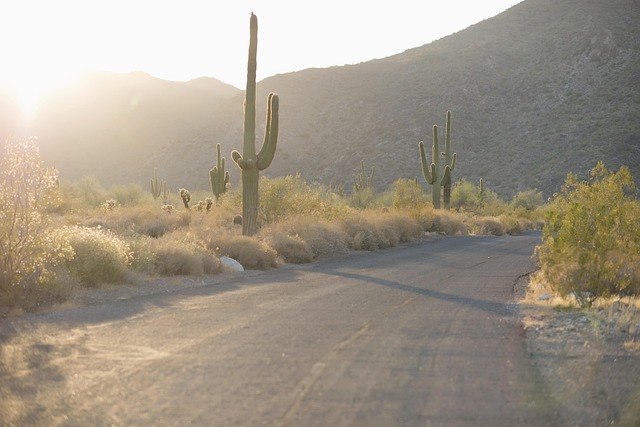


Desert greening projects worldwide are making significant strides in combating desertification and restoring degraded lands. The Great Green Wall initiative, spanning Africa from Senegal to Djibouti, has shown promising progress with 18% of its target area restored[1]. Similarly, China's ambitious afforestation projects have led to notable changes in the water table of the Gobi Desert[2]. Satellite data has been instrumental in monitoring these efforts, providing valuable insights into the effectiveness of various techniques[3]. Additionally, successful greening efforts in the Sahara and Middle East demonstrate the potential for large-scale transformation of desert landscapes.
These global desert restoration initiatives not only aim to reverse desertification but also to create sustainable ecosystems that support local communities. The use of innovative technologies, such as solar-powered irrigation and drought-resistant plant species, has enhanced the success rates of these projects[4]. Furthermore, the integration of solar farms in the Gobi Desert has created microclimates that foster plant growth, showcasing a unique approach to desert greening[5]. As these projects continue to evolve, they offer hope for a more sustainable and resilient future for some of the world's most arid regions.