I Hug Trees

Desert Greening

Transforming Arid Lands – Weekly

Global desert restoration, water innovation, and sustainable development from arid regions, every week.

📅 2026-06-12 ⏱️ 14 min read 🌵 Weekly

Week of 2026-06-12

Desert Greening

Global desert restoration, water innovation, and sustainable development from arid regions, every week.

This Week's Highlights

Desert greening and the control of desertification are paramount for sustaining life on our planet. This week, we delve into groundbreaking advancements that underscore the importance of these efforts. Major developments in desert restoration include the use of cutting-edge technology such as Google Earth Engine, machine learning, and AI for monitoring and assessment. Innovations in water management, like low-impact monitoring and AI, are proving crucial in regions facing persistent water scarcity. Key themes this week revolve around technology-monitoring, renewable energy solutions, and nature-based approaches to tackling drought and desertification. Notable stories include the first national report on the UN Convention to Combat Desertification in Bosnia and Herzegovina, and insights on how small farmers in Brazil’s semi-arid region are battling exhausted lands. Additionally, research in environmental engineering and water resources at UNLV highlights new strategies for effective water management. This digest offers a comprehensive look at the latest efforts and innovations aimed at restoring and preserving our fragile desert ecosystems.

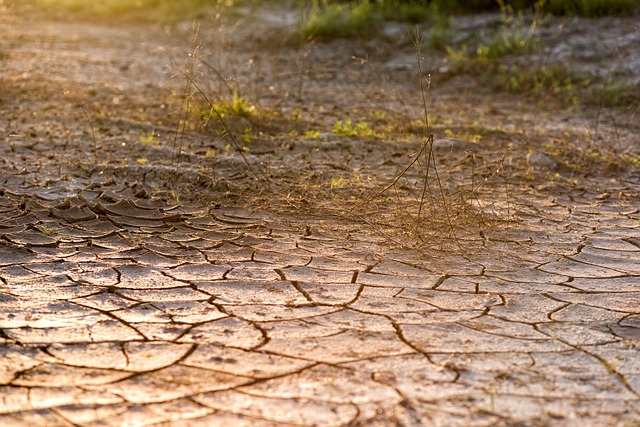
Desert greening transformation

Desert transformation through greening initiatives. Photo: I Hug Trees

Understanding Desert Greening

What is Desert Greening and Why Does It Matter?

Desert greening is the process of transforming arid and degraded lands into productive, vegetated ecosystems through strategic restoration techniques. Deserts and drylands cover over 40% of Earth's land surface and support more than 2 billion people, yet climate change and unsustainable land management are expanding desert areas at an alarming rate—a process called desertification. Every year, an estimated 12 million hectares of productive land become desert, threatening food security, water resources, and biodiversity.

Desert greening matters profoundly for global sustainability. Restored desert lands can sequester significant amounts of carbon, helping combat climate change. They provide critical habitat for unique desert species adapted to extreme conditions. Most importantly, greening projects create sustainable livelihoods for desert communities through agriculture, forestry, and ecosystem services. Success stories from China's Loess Plateau, Israel's Negev Desert, and Africa's Great Green Wall demonstrate that with proper techniques and commitment, even the harshest deserts can bloom.

How is Desert Greening Achieved and Sustained?

Successful desert greening requires a multifaceted approach combining water management, appropriate vegetation, and community engagement. Water is the fundamental constraint— innovations like drip irrigation, rainwater harvesting, fog collection, and sustainable groundwater use make greening possible with minimal resources. Native drought-resistant plants and trees adapted to local conditions are essential; they survive with less water, prevent soil erosion, and support local ecosystems better than introduced species.

Sustaining desert greening demands long-term commitment. Sand dune stabilization using vegetation barriers and soil amendments prevents re-desertification. Renewable energy, particularly solar power, provides electricity for water pumping and community development without environmental degradation. Most critically, local communities must benefit economically from restoration through sustainable agriculture, ecotourism, or carbon credits. Technology plays an increasing role—satellite monitoring tracks vegetation growth, AI optimizes irrigation, and drones assist in seed dispersal. When combining traditional knowledge with modern innovation and ensuring community ownership, desert greening projects achieve lasting transformation.

Desert Greening Projects Worldwide

Desert greening project showing transformed arid landscape

Photo by hbieser on Pixabay

Desert greening projects are underway globally, aiming to restore degraded lands and combat desertification[1]. The Great Green Wall initiative, spanning Africa from Senegal to Djibouti, has made significant progress, with 18% of the wall completed as of 2023[2]. In the Sahara, afforestation projects have successfully introduced vegetation in previously barren areas, improving local ecosystems and livelihoods[3]. China's efforts in the Gobi Desert have led to notable changes in the region's water table, demonstrating the impact of large-scale greening efforts[5]. These projects not only aim to reverse desertification but also to create sustainable agricultural opportunities and enhance biodiversity.

In the Middle East, countries like the United Arab Emirates and Saudi Arabia are investing in innovative desert greening techniques, including the use of drones to plant trees in arid regions[4]. Bosnia and Herzegovina's national report on desertification highlights the importance of community involvement in sustainable land management practices[4]. Global desert transformation efforts are increasingly focusing on integrating local knowledge with modern technology to ensure long-term success and resilience against climate change[2]. These initiatives reflect a growing international commitment to restoring Earth's fragile ecosystems.

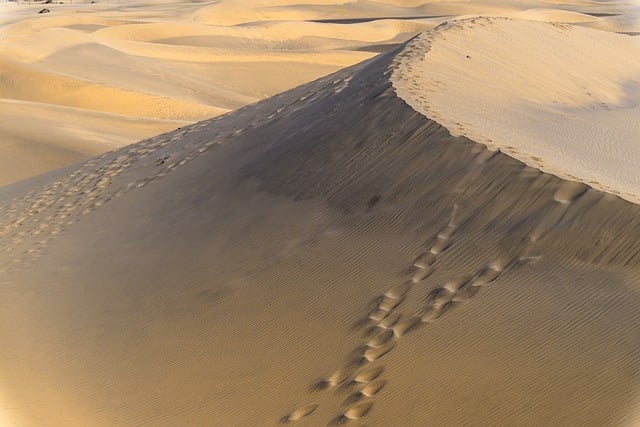
Water Management & Innovation

Innovative water management system in desert region

Photo by Norm_Bosworth on Pixabay

Water management and innovation are critical in addressing global water scarcity. Drip irrigation advances have shown significant promise, reducing water use by 37 percent and increasing yield by five percent[4]. Water harvesting techniques, such as air-to-water generators, can produce up to 5,000 liters per day from the air, offering a sustainable solution for arid regions[3]. Desalination technology, despite its high energy consumption, remains vital for coastal areas facing water shortages[2]. Groundwater conservation efforts are essential, particularly in regions like the North Slope of the Tianshan Mountains, where irrigation demands are high[1].

Innovative water solutions for arid regions are emerging, driven by the need for sustainable practices. The University of Nevada, Las Vegas, is at the forefront of research in environmental engineering and water resources, developing new methods to optimize water use and conservation[2]. These innovations include low-impact monitoring and AI-driven solutions for tidal wetland restoration, highlighting the intersection of technology and environmental stewardship[5]. As water scarcity persists, these advancements offer hope for more efficient and sustainable water management globally.

Native Desert Plants & Adaptation

Native desert plants and drought-resistant vegetation

Photo by BernhardJaeck on Pixabay

Native desert plants exhibit remarkable adaptations to survive in arid environments. Species like the saguaro cactus and creosote bush are drought-resistant, conserving water through specialized root systems and reduced leaf surface areas[1]. Research into xerophytes, or plants adapted to dry habitats, reveals complex physiological responses to water scarcity and nutrient levels[4]. These adaptations are crucial for maintaining desert ecology and biodiversity.

Climate change poses significant threats to native desert plants. Studies show that rising temperatures and altered precipitation patterns are causing plant die-offs in Southern California[3]. Even traditionally resilient species in the Sonoran Desert are showing signs of stress[2]. Restoration efforts focus on reintroducing climate-adapted vegetation to preserve native ecosystems.

Conservation initiatives, such as those by the Mojave Desert Land Trust, aim to protect rare desert plants and promote biodiversity[5]. By understanding and preserving these adaptations, we can better mitigate the impacts of climate change on desert ecosystems.

Technology & Satellite Monitoring

Satellite monitoring of desert greening progress

Photo by ILIERNAVARRO on Pixabay

Satellite monitoring has become crucial in tracking desertification, a pressing global issue exacerbated by climate change[1]. Remote sensing innovations, powered by machine learning and AI, offer unprecedented insights into desert ecosystems[2]. Google Earth Engine, for instance, enables detailed monitoring of arid oasis environments, integrating field-based hydrogeological assessments with satellite data[1]. This technology aids in understanding the complex dynamics of desertification and supports informed decision-making for land management and restoration efforts[4].

Drone technology complements satellite monitoring by providing high-resolution, localized data on desert conditions[3]. Drones equipped with advanced sensors can map terrain, assess vegetation health, and monitor water resources in real-time[3]. GIS applications further enhance these efforts by allowing for the spatial analysis of arid lands, facilitating the identification of vulnerable areas and the implementation of targeted interventions[5]. The integration of AI in drone operations improves data processing and analysis, making desert monitoring more efficient and accurate[2].

These technological advancements offer hope in the fight against desertification, enabling more effective strategies for preserving and restoring arid ecosystems[4]. By leveraging satellite tracking, remote sensing, AI, drone technology, and GIS applications, we can better understand and combat the challenges posed by desertification, ultimately contributing to global sustainability efforts[5].

Renewable Energy & Development

Solar energy installation in desert area

Photo by MertSabanci on Pixabay

Solar energy in deserts presents a compelling solution for renewable energy development, particularly in arid regions where water scarcity is a persistent challenge[1]. Projects like China's massive solar farms in the Gobi Desert not only generate clean energy but also contribute to desert greening, creating cooler microclimates that support plant life[4]. This dual benefit of energy production and environmental enhancement highlights the potential of solar farms to foster sustainable development in harsh environments.

However, the implementation of solar projects in arid regions must be carefully managed to avoid ecological disruptions. For instance, the controversy surrounding solar energy projects in the Mojave Desert underscores the need for balancing energy goals with the preservation of native species and ecosystems[2]. It is crucial to adopt a holistic approach that considers the energy-water nexus, ensuring that renewable projects do not exacerbate water stress in already vulnerable areas[1].

As the world moves towards more sustainable energy solutions, the lessons learned from these projects will be vital. By integrating renewable energy with ecological conservation, we can achieve a more resilient and sustainable future for arid regions, demonstrating that renewable energy and development can go hand in hand[5].

Sand Dune Stabilization

Sand dune stabilization techniques

Photo by Pexels on Pixabay

Sand dune stabilization is crucial for combating desertification and reversing land degradation. Techniques such as vegetation barriers and biocrust application have shown promise in arid and semi-arid regions[2][3]. In Michigan, the increasing coverage of plants and trees on sand dunes highlights the effectiveness of natural stabilization methods[4]. These efforts not only prevent soil erosion but also enhance biodiversity and protect against desertification[2][5].

The use of native vegetation in sand dune stabilization is gaining traction globally. Living shorelines, as seen in Maine, demonstrate how natural barriers can effectively control erosion and promote ecosystem health[1]. Similarly, nebkhas—small dunes formed around vegetation—play a significant role in desertification control in China[2]. These methods offer sustainable solutions to mitigate the impacts of climate change and human activities on sand dunes.

Furthermore, research in China has shown that biocrusts can significantly aid in land degradation control by improving soil stability and moisture retention[3]. As global efforts to combat desertification intensify, the integration of these stabilization techniques will be essential in preserving vulnerable ecosystems and ensuring long-term environmental sustainability[5].

Community Impact & Livelihoods

Local communities engaged in desert restoration

Photo by Pixaline on Pixabay

Desert communities worldwide are experiencing transformative benefits from greening initiatives, pastoral livelihoods, and sustainable oasis management[1][2]. These efforts not only enhance local ecosystems but also provide vital economic opportunities. For instance, the genetic study of nomadic herders in Kenya reveals essential adaptations for desert living, underscoring the importance of traditional knowledge in modern restoration projects[1]. Additionally, the New Oasis International Foundation's sustainable impact model has been instrumental in fostering global incorporation and community engagement[2].

Economic impacts are profound as greening projects create jobs and stimulate local economies. The University of Houston's community garden serves as an 'oasis,' demonstrating the potential for urban green spaces to support livelihoods and foster community resilience[3]. Furthermore, Israel's pioneering technology has turned its desert into an agricultural oasis, showcasing the potential for innovative solutions to enhance food security and economic stability in arid regions[5].

Local engagement in restoration efforts is crucial for the sustainability of these initiatives. Communities play a pivotal role in maintaining green spaces and ensuring the long-term success of oasis sustainability projects. This collaborative approach not only preserves natural resources but also empowers local populations, fostering a sense of ownership and stewardship over their environment[4].

Challenges & Solutions

Desert greening faces significant challenges, including barriers such as limited funding, climate change impacts, and water scarcity[1]. These obstacles hinder the progress of initiatives aimed at combating desertification and promoting sustainable land use[2]. Climate change exacerbates these issues by altering weather patterns and increasing the frequency of extreme events, further stressing already vulnerable ecosystems[3]. Innovative solutions are crucial to overcome these challenges. Techniques like drought-resistant crop cultivation, rainwater harvesting, and the implementation of "living shorelines" demonstrate promising approaches[4][5]. These methods not only help in conserving water but also enhance the resilience of local communities against environmental changes.

Overcoming water scarcity is a critical aspect of desert greening. Innovative technologies such as desalination and efficient irrigation systems play a vital role in providing sustainable water sources for agriculture and reforestation efforts[1]. Long-term sustainability requires a holistic approach that integrates local knowledge with scientific research to develop adaptive strategies[2]. Engaging local communities in the decision-making process ensures that solutions are culturally appropriate and economically viable[3]. Additionally, international cooperation and funding are essential to support large-scale projects and share best practices across regions affected by desertification[4].

In conclusion, addressing the challenges of desert greening requires a multifaceted approach that combines innovative technologies, community engagement, and international support[5]. By tackling barriers head-on and implementing sustainable practices, it is possible to restore degraded lands and create resilient ecosystems that can withstand the impacts of climate change.

Thank you for reading this week's Desert Greening digest. The transformation of arid lands continues worldwide, bringing hope and sustainability to desert regions. We'll return next week with more insights from desert restoration projects around the globe.

📚 Referenced Sources

Desert Greening Projects Worldwide

  1. Desertification monitoring in arid oasis environment using Google Earth Engine, machine learning, and field-based hydrogeological assessment | Scientific Reports - Nature (2026-06-12)
  2. How Can We Work With Nature to Tackle Drought and Desertification? - International Institute for Sustainable Development (2026-06-12)
  3. In Brazil’s Semi-Arid Region, Small Farmers Work Exhausted Lands, Hoping a New Government Will Revive the War on Desertification - Inside Climate News (2026-06-12)
  4. First National Report on the Implementation of the UN Convention to Combat Desertification/Land Degradation in Bosnia and Herzegovinia - UNEP - UN Environment Programme (2026-06-12)
  5. China’s Desert Greening Projects Altering its Water Table: Study - Asia Financial (2026-06-12)

Water Management & Innovation

  1. Persistent Water Scarcity Due To High Irrigation Demand in Arid China: A Case Study in the North Slope of the Tianshan Mountains - AGU Publications (2026-06-12)
  2. Key Research Area: Environmental Engineering and Water Resources - University of Nevada, Las Vegas | UNLV (2026-06-12)
  3. While desalination plants consume the energy of entire cities to extract water from the sea, a company is deploying machines that harvest up to 5,000 liters per day from the air on six continents and aims to bring this technology to deserts with less than 20% hu - CPG Click Petróleo e Gás (2026-06-12)
  4. Drip-irrigation study sees 37 percent reduction in water use and five percent increase in yield - California State Portal | CA.gov (2026-06-12)
  5. DAILY DIGEST, 5/27: 'Forever chemicals’ found in CA waterways in 10 counties, study says; Committee meets to advise DWR on state water plan; New Dutch Slough study highlights early success of tidal wetland restoration using low-impact monitoring and AI; - Maven's Notebook (2026-06-12)

Native Desert Plants & Adaptation

  1. Turning your backyard into a drought-resistant and fire-smart desert oasis - cbs8.com (2026-06-12)
  2. Even Sonoran Desert plants aren’t immune to climate change - University of California, Riverside (2026-06-12)
  3. Climate change is driving plant die-offs in Southern California, UCI study finds - UC Irvine News (2026-06-12)
  4. Eco-Physiological Responses of Native Desert Plant Species to Drought and Nutritional Levels: Case of Kuwait - Frontiers (2026-06-12)
  5. Joshua Tree's Mojave Desert Land Trust to sell rare desert plants - Victorville Daily Press (2026-06-12)

Technology & Satellite Monitoring

  1. Desertification monitoring in arid oasis environment using Google Earth Engine, machine learning, and field-based hydrogeological assessment | Scientific Reports - Nature (2026-06-12)
  2. DAILY DIGEST, 5/27: 'Forever chemicals’ found in CA waterways in 10 counties, study says; Committee meets to advise DWR on state water plan; New Dutch Slough study highlights early success of tidal wetland restoration using low-impact monitoring and AI; - Maven's Notebook (2026-06-12)
  3. Drones & Data: Learning How to Restore a Complex River System with AI - Utah State Magazine (2026-06-12)
  4. Green Technology Book: Solutions for confronting climate disasters - Drought - World Intellectual Property Organization (WIPO) (2026-06-12)
  5. UN day on Desertification and Drought - Eumetsat (2026-06-12)

Renewable Energy & Development

  1. Persistent Water Scarcity Due To High Irrigation Demand in Arid China: A Case Study in the North Slope of the Tianshan Mountains - AGU Publications (2026-06-12)
  2. As crews chainsaw Joshua trees, Mojave Desert community protests solar energy project - Los Angeles Times (2026-06-12)
  3. Desert Solar—A Spectacular Fiction, Not a Spectacular Future - Middle East Research and Information Project (2026-06-12)
  4. “Desert greening:” China’s massive solar farms create cool refuges for plants in Gobi desert - Renew Economy (2026-06-12)
  5. Spatiotemporal evolution and obstacles of tourism socioecological system sustainability from pressure and resilience perspective in arid regions - Nature (2026-06-12)

Sand Dune Stabilization

  1. Taking Root: Maine's Shift Toward ‘Living Shorelines’ - Senator George J. Mitchell Center for Sustainability Solutions - The University of Maine (2026-06-12)
  2. Nebkhas play important roles in desertification control and biodiversity protection in arid and semi-arid regions of China - Science Partner Journals (2026-06-12)
  3. Biocrust Research in China: Recent Progress and Application in Land Degradation Control - Frontiers (2026-06-12)
  4. Michigan sand dunes increasingly covered by plants and trees, new study shows - FOX 2 Detroit (2026-06-12)
  5. KFS Celebrates the World Day to Combat Desertification and Drought - Businesskorea (2026-06-12)

Community Impact & Livelihoods

  1. Genetic study of nomadic herders in Kenya shows what it takes to adapt to desert living - University of California, Berkeley (2026-06-12)
  2. New Oasis International Foundation Finalizes Global Incorporation for Sustainable Impact Model - TradingView (2026-06-12)
  3. UH Community Garden an 'Oasis' - University of Houston (2026-06-12)
  4. DAILY DIGEST, 5/27: 'Forever chemicals’ found in CA waterways in 10 counties, study says; Committee meets to advise DWR on state water plan; New Dutch Slough study highlights early success of tidal wetland restoration using low-impact monitoring and AI; - Maven's Notebook (2026-06-12)
  5. How pioneering technology transformed Israel’s desert into an agricultural oasis - Genetic Literacy Project (2026-06-12)

Challenges & Solutions

  1. How Can We Work With Nature to Tackle Drought and Desertification? - International Institute for Sustainable Development (2026-06-12)
  2. In Brazil’s Semi-Arid Region, Small Farmers Work Exhausted Lands, Hoping a New Government Will Revive the War on Desertification - Inside Climate News (2026-06-12)
  3. Explainer: ‘Desertification’ and the role of climate change - Carbon Brief (2026-06-12)
  4. Sahara Desert has grown over 10 percent in last century - Digital Journal (2026-06-12)
  5. Taking Root: Maine's Shift Toward ‘Living Shorelines’ - Senator George J. Mitchell Center for Sustainability Solutions - The University of Maine (2026-06-12)