I Hug Trees

Desert Greening

Transforming Arid Lands – Weekly

Global desert restoration, water innovation, and sustainable development from arid regions, every week.

📅 2026-06-19 ⏱️ 13 min read 🌵 Weekly

Week of 2026-06-19

Desert Greening

Global desert restoration, water innovation, and sustainable development from arid regions, every week.

This Week's Highlights

Desert greening is not just an environmental necessity; it is a beacon of hope for combating desertification and ensuring sustainable futures for arid regions worldwide. This week, remarkable strides have been made in desert restoration and water management technologies, showcasing humanity's ingenuity in facing ecological challenges. Innovations such as mapping groundwater accumulations via remote sensing in Egypt's Bahariya Oasis and employing Google Earth Engine for desertification monitoring highlight the fusion of technology and environmental science. Additionally, Bosnia and Herzegovina's first national report on the UN Convention to Combat Desertification underscores global commitments to land restoration. This week's digest delves into these advancements, alongside the controversial use of invasive plants in Iceland for soil fertilization and the critical role of Geneva in addressing desertification. We also explore AI's emerging role in monitoring water quality and climate change, and the use of drones in restoring complex river systems. Join us as we navigate through these transformative stories, illustrating the multifaceted approach to reviving our planet's deserts.

Desert greening transformation

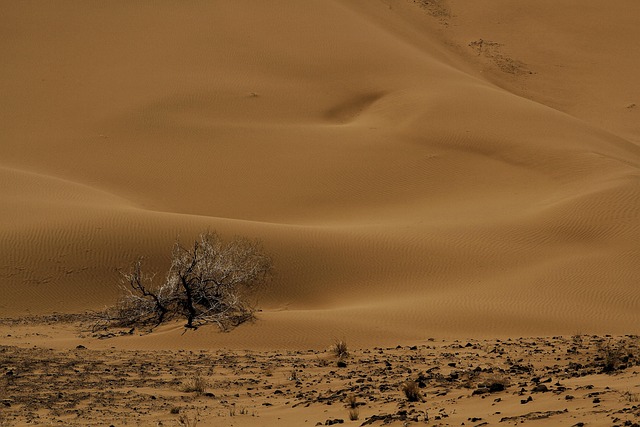
Desert transformation through greening initiatives. Photo: I Hug Trees

Understanding Desert Greening

What is Desert Greening and Why Does It Matter?

Desert greening is the process of transforming arid and degraded lands into productive, vegetated ecosystems through strategic restoration techniques. Deserts and drylands cover over 40% of Earth's land surface and support more than 2 billion people, yet climate change and unsustainable land management are expanding desert areas at an alarming rate—a process called desertification. Every year, an estimated 12 million hectares of productive land become desert, threatening food security, water resources, and biodiversity.

Desert greening matters profoundly for global sustainability. Restored desert lands can sequester significant amounts of carbon, helping combat climate change. They provide critical habitat for unique desert species adapted to extreme conditions. Most importantly, greening projects create sustainable livelihoods for desert communities through agriculture, forestry, and ecosystem services. Success stories from China's Loess Plateau, Israel's Negev Desert, and Africa's Great Green Wall demonstrate that with proper techniques and commitment, even the harshest deserts can bloom.

How is Desert Greening Achieved and Sustained?

Successful desert greening requires a multifaceted approach combining water management, appropriate vegetation, and community engagement. Water is the fundamental constraint— innovations like drip irrigation, rainwater harvesting, fog collection, and sustainable groundwater use make greening possible with minimal resources. Native drought-resistant plants and trees adapted to local conditions are essential; they survive with less water, prevent soil erosion, and support local ecosystems better than introduced species.

Sustaining desert greening demands long-term commitment. Sand dune stabilization using vegetation barriers and soil amendments prevents re-desertification. Renewable energy, particularly solar power, provides electricity for water pumping and community development without environmental degradation. Most critically, local communities must benefit economically from restoration through sustainable agriculture, ecotourism, or carbon credits. Technology plays an increasing role—satellite monitoring tracks vegetation growth, AI optimizes irrigation, and drones assist in seed dispersal. When combining traditional knowledge with modern innovation and ensuring community ownership, desert greening projects achieve lasting transformation.

Desert Greening Projects Worldwide

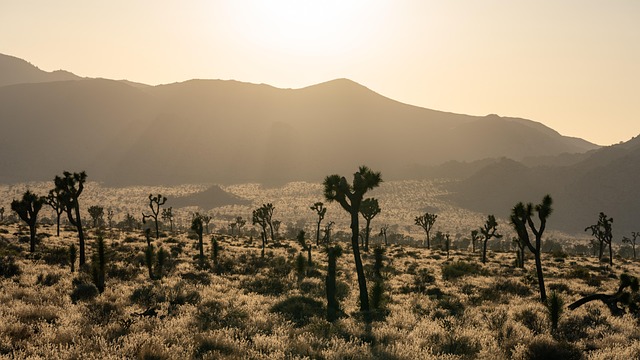
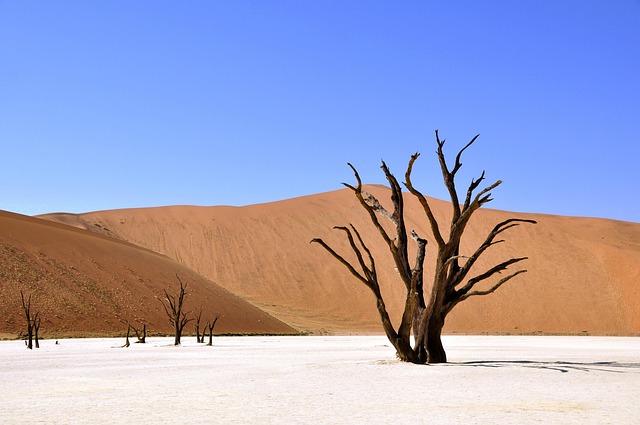
Desert greening project showing transformed arid landscape

Photo by blaxxtock on Pixabay

Major desert restoration initiatives are underway globally, with the Great Green Wall[1] leading the charge in Africa. This ambitious project aims to create a mosaic of green and productive landscapes across the Sahel region[2]. Afforestation projects in the Sahara[3] and Gobi[4] deserts have shown promising results, with increased vegetation cover and improved soil quality[5]. The Middle East is also witnessing successful greening efforts, utilizing innovative techniques like desert farming and water management strategies[1].

Global desert transformation is not just a dream but a tangible reality, with numerous success stories emerging from these arid regions[2]. The Great Green Wall has made significant progress, with over 18 million hectares of land restored[3]. Afforestation projects in the Sahara have led to the creation of green belts, providing habitats for wildlife and improving local livelihoods[4]. In the Gobi Desert, China's greening efforts have resulted in a 20% increase in vegetation cover[5], demonstrating the potential for large-scale desert restoration.

These initiatives highlight the global commitment to combat desertification and promote sustainable land management practices[1]. With continued investment and collaboration, the dream of a greener, more resilient world is within reach.
Water Management & Innovation

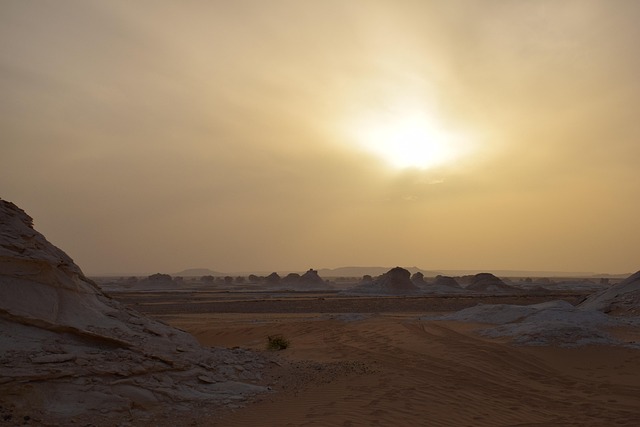
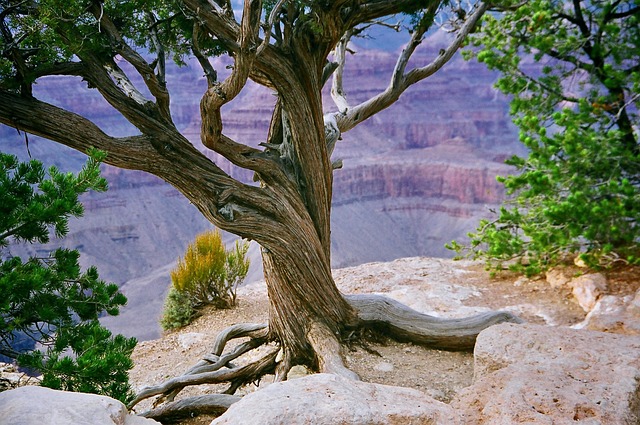
Innovative water management system in desert region

Photo by katja on Pixabay

Water management and innovation are pivotal in addressing global water scarcity and ensuring sustainable agricultural practices. Drip irrigation, a method that delivers water directly to plant roots, has shown significant promise. In California, a drip-irrigation study observed a 37 percent reduction in water use and a five percent increase in yield[2]. Desalination technology, which removes salt from seawater, is another critical innovation, particularly in arid regions. Israel’s pioneering desalination efforts have transformed its desert landscapes into agricultural oases[4]. Groundwater conservation techniques, such as mapping and predicting groundwater accumulations using remote sensing, are essential for sustainable water management[1].

Water harvesting techniques, including the collection and storage of rainwater, are vital for arid regions. These methods help mitigate the effects of drought and ensure a reliable water supply for communities and agriculture. Innovative solutions like AI systems developed by NYU Abu Dhabi researchers are being employed to monitor water quality and the impacts of climate change, enhancing water management strategies[3]. In Morocco, comprehensive assessments of water resources and adaptation strategies are being implemented to promote sustainable water management[5].

These advancements in water management and innovation offer hope for a more sustainable future, even in the face of growing water scarcity challenges.

Native Desert Plants & Adaptation

Native desert plants, such as cacti and succulents, have developed remarkable adaptations to thrive in arid environments[2]. These drought-resistant species possess unique features like deep root systems and water-storing tissues, enabling them to survive prolonged periods of water scarcity[3]. Research into xerophytes, or drought-tolerant plants, reveals their crucial role in maintaining desert ecosystems[2]. By understanding these adaptations, scientists can develop strategies for native plant restoration and promote climate-adapted vegetation in desert regions[1].

Desert ecology and biodiversity are intricately linked to the survival of native desert plants[4]. As climate change intensifies, even these resilient species face challenges[4]. A UC Irvine study highlights the increasing plant die-offs in Southern California due to rising temperatures and drought conditions[5]. Preserving native desert plants is essential for maintaining the delicate balance of desert ecosystems and ensuring their continued existence in a changing climate[5].

Efforts to restore native desert plants and promote climate-adapted vegetation are crucial for desert ecology and biodiversity[1]. By understanding and implementing the adaptations of these drought-resistant species, we can contribute to the preservation of desert ecosystems and their invaluable contributions to our planet's biodiversity[2].

Technology & Satellite Monitoring

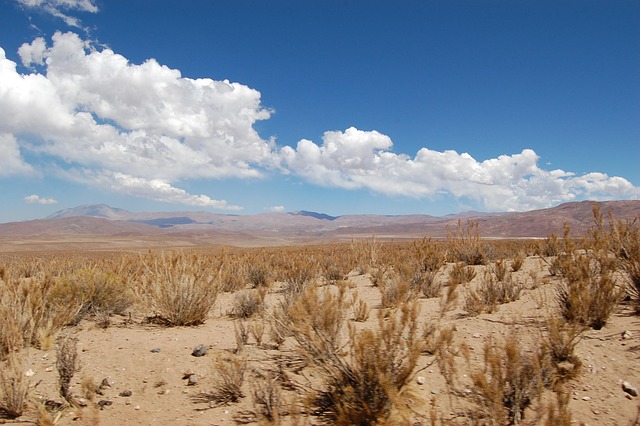
Satellite monitoring of desert greening progress

Photo by 12019 on Pixabay

Satellite tracking has revolutionized desertification monitoring, offering unparalleled insights into the dynamics of arid lands[1]. Remote sensing innovations enable detailed mapping of groundwater accumulations, crucial for sustaining life in desert regions[1]. The integration of Google Earth Engine with machine learning algorithms enhances the precision of desertification assessments, providing timely data for conservation efforts[2].

Artificial Intelligence (AI) plays a pivotal role in desert monitoring, with systems developed to analyze water quality and predict climate change impacts[3]. Drone technology complements these efforts by offering high-resolution imagery and data collection in inaccessible areas[4]. Geographic Information Systems (GIS) applications are vital for managing and analyzing spatial data in arid environments, facilitating informed decision-making for land management and restoration projects[5].

The synergy of these technologies fosters a comprehensive approach to combating desertification, blending traditional methods with cutting-edge innovations to preserve fragile ecosystems and support sustainable development in arid regions[1][2][3][4][5].

Renewable Energy & Development

Solar energy installation in desert area

Photo by mokhaladmusavi on Pixabay

Renewable energy projects in arid regions, particularly solar farms in deserts, are pivotal for sustainable development. Solar energy in deserts leverages vast, unused land and abundant sunlight, offering a clean energy solution[2]. Notably, China's solar farms in the Gobi Desert have created microclimates that support plant growth, demonstrating the potential for desert greening[3]. This approach not only generates renewable energy but also aids in combating desertification and enhancing local biodiversity[1].

The implementation of solar farms in arid regions must consider the energy-water nexus. Efficient water use in solar panel maintenance and potential integration with water desalination projects can mitigate water scarcity issues[4]. Furthermore, these projects can stimulate economic growth and create jobs in underdeveloped areas, fostering sustainable communities[5]. However, careful planning is essential to avoid adverse environmental impacts and ensure the projects contribute positively to the local ecosystem.

In conclusion, renewable projects in arid regions hold significant promise for sustainable development. By addressing both energy and environmental challenges, these initiatives can lead to a greener, more resilient future for desert landscapes and their inhabitants.

Sand Dune Stabilization

Sand dune stabilization techniques

Photo by 41074070 on Pixabay

Sand dune stabilization is a vital process in combating desertification and land degradation. Techniques such as vegetation barriers and the introduction of native plant species help fix sand dunes, reducing soil erosion[1][2]. These methods not only stabilize the dunes but also enhance biodiversity and improve soil quality. The European Union has implemented various initiatives to address global desertification, emphasizing the importance of sustainable land management practices[3]. Countries like Pakistan are reaffirming their commitment to these efforts, recognizing the critical need to preserve arable land and prevent further degradation[4].

Vegetation plays a crucial role in sand dune stabilization. Native plants with deep root systems help bind the sand, preventing it from being swept away by wind or water[2]. This natural barrier reduces the impact of erosion and contributes to the reversal of land degradation. Additionally, these plants provide habitat for various species, promoting ecological balance. The global community is increasingly aware of the need to protect our land to ensure a sustainable future[5]. Efforts to combat desertification are not only environmental imperatives but also essential for food security and economic stability.

In conclusion, sand dune stabilization through vegetation barriers and sustainable practices is a promising approach to combating desertification. Global initiatives and national commitments are crucial in reversing land degradation and preserving our environment for future generations[3][4][5].

Community Impact & Livelihoods

Local communities engaged in desert restoration

Photo by eunseong0331 on Pixabay

Desert communities are experiencing transformative benefits from greening initiatives, pastoral livelihoods, and sustainable oasis development[1]. These efforts not only enhance local ecosystems but also bolster economic activities and community resilience[2]. For instance, the Yuma agriculture sector contributes $4.4 billion to the state economy, showcasing the significant impact of localized green initiatives[3].

Engagement in restoration projects fosters a sense of ownership and pride among residents, leading to more sustainable practices and improved livelihoods[4]. The success of oasis communities, like those in Kebili, Tunisia, demonstrates the potential for economic growth through sustainable agriculture and eco-tourism[5]. These projects create jobs, stimulate local economies, and ensure the preservation of cultural heritage.

By integrating traditional knowledge with modern techniques, desert communities can achieve a balance between economic development and environmental sustainability. This holistic approach ensures that benefits are long-lasting and equitably distributed among all community members.

Challenges & Solutions

Overcoming challenges in desert greening

Photo by heshamhall on Pixabay

Desert greening faces significant barriers, including funding challenges, climate change impacts, and water scarcity[1]. Limited financial resources hinder large-scale projects, while climate change exacerbates desertification[5]. Innovative solutions are crucial for overcoming these obstacles. Research into "living skin" technologies offers promising avenues for restoring arid ecosystems[3]. Additionally, community-driven initiatives and international collaborations are vital for sustainable progress[2].

Overcoming water scarcity is a critical component of desert greening. Techniques such as desalination and efficient irrigation systems are being explored to provide consistent water sources[4]. Long-term sustainability requires a multifaceted approach, integrating scientific research, local knowledge, and global partnerships. By addressing these challenges head-on, we can create resilient ecosystems that thrive despite the harsh conditions[1].

The United Arab Emirates has taken a leading role in redefining the global fight against desertification and drought, showcasing innovative approaches and substantial investments in greening initiatives[2]. These efforts highlight the potential for transformative change when barriers are met with determination and creative solutions.

Thank you for reading this week's Desert Greening digest. The transformation of arid lands continues worldwide, bringing hope and sustainability to desert regions. We'll return next week with more insights from desert restoration projects around the globe.

📚 Referenced Sources

Desert Greening Projects Worldwide

  1. Mapping and predicting groundwater accumulations using remote sensing and aeromagnetic data: a case study from Bahariya Oasis, Western Desert, Egypt - Nature (2026-06-19)
  2. Desertification monitoring in arid oasis environment using Google Earth Engine, machine learning, and field-based hydrogeological assessment | Scientific Reports - Nature (2026-06-19)
  3. Identifying the Factors Driving Vegetation Dynamics in Arid, Semiarid, and Semihumid Regions of the Mongolian Plateau | Ecosystem Health and Sustainability - Science Partner Journals (2026-06-19)
  4. First National Report on the Implementation of the UN Convention to Combat Desertification/Land Degradation in Bosnia and Herzegovinia - UNEP - UN Environment Programme (2026-06-19)
  5. China’s Desert Greening Projects Altering its Water Table: Study - Asia Financial (2026-06-19)

Water Management & Innovation

  1. Mapping and predicting groundwater accumulations using remote sensing and aeromagnetic data: a case study from Bahariya Oasis, Western Desert, Egypt - Nature (2026-06-19)
  2. Drip-irrigation study sees 37 percent reduction in water use and five percent increase in yield - California State Portal | CA.gov (2026-06-19)
  3. NYU Abu Dhabi researchers develop AI system to monitor water quality and climate change - Gulf News (2026-06-19)
  4. How pioneering technology transformed Israel’s desert into an agricultural oasis - Genetic Literacy Project (2026-06-19)
  5. Towards sustainable water management in Morocco: assessing resources, challenges, and adaptation strategies - Frontiers (2026-06-19)

Native Desert Plants & Adaptation

  1. Invasive Plant Turns Iceland's Deserts Purple, Fertilizes Dead Soils, Halts Desertification, Aids Reforestation, and Divides Scientists on Saving Nature or Destroying Native Ecosystems - CPG Click Petróleo e Gás (2026-06-19)
  2. With rapidly increasing heat and drought, can plants adapt? - University of California, Berkeley (2026-06-19)
  3. Turning your backyard into a drought-resistant and fire-smart desert oasis - cbs8.com (2026-06-19)
  4. Even Sonoran Desert plants aren’t immune to climate change - University of California, Riverside (2026-06-19)
  5. Climate change is driving plant die-offs in Southern California, UCI study finds - UC Irvine News (2026-06-19)

Technology & Satellite Monitoring

  1. Mapping and predicting groundwater accumulations using remote sensing and aeromagnetic data: a case study from Bahariya Oasis, Western Desert, Egypt - Nature (2026-06-19)
  2. Desertification monitoring in arid oasis environment using Google Earth Engine, machine learning, and field-based hydrogeological assessment | Scientific Reports - Nature (2026-06-19)
  3. NYU Abu Dhabi researchers develop AI system to monitor water quality and climate change - Gulf News (2026-06-19)
  4. Drones & Data: Learning How to Restore a Complex River System with AI - Utah State Magazine (2026-06-19)
  5. Green Technology Book: Solutions for confronting climate disasters - Drought - World Intellectual Property Organization (WIPO) (2026-06-19)

Renewable Energy & Development

  1. Identifying the Factors Driving Vegetation Dynamics in Arid, Semiarid, and Semihumid Regions of the Mongolian Plateau | Ecosystem Health and Sustainability - Science Partner Journals (2026-06-19)
  2. Desert Solar—A Spectacular Fiction, Not a Spectacular Future - Middle East Research and Information Project (2026-06-19)
  3. “Desert greening:” China’s massive solar farms create cool refuges for plants in Gobi desert - Renew Economy (2026-06-19)
  4. Build a giant solar farm in the Sahara and power the world? Here’s how that could hurt the climate instead - ideas.ted.com (2026-06-19)
  5. Spatiotemporal evolution and obstacles of tourism socioecological system sustainability from pressure and resilience perspective in arid regions - Nature (2026-06-19)

Sand Dune Stabilization

  1. Taking Root: Maine's Shift Toward ‘Living Shorelines’ - Senator George J. Mitchell Center for Sustainability Solutions - The University of Maine (2026-06-19)
  2. Michigan sand dunes increasingly covered by plants and trees, new study shows - FOX 2 Detroit (2026-06-19)
  3. EU efforts on global desertification and land degradation - environment.ec.europa.eu (2026-06-19)
  4. Pakistan reaffirms commitment to combating desertification, drought - Xinhua (2026-06-19)
  5. Protect our land, preserve our future. Let’s combat desertification and drought for a better environment. via. Andrei Marei Sayson/ CMU, SunStar Intern #WorldDayToCombatDesertificationAndDrought #allyouneedtoknoww - facebook.com (2026-06-19)

Community Impact & Livelihoods

  1. Genetic study of nomadic herders in Kenya shows what it takes to adapt to desert living - University of California, Berkeley (2026-06-19)
  2. Genetic study of nomadic herders in Kenya shows what it takes to adapt to desert living - University of California, Berkeley (2026-06-19)
  3. Yuma agriculture generates $4.4B in state economic activity, U of A study finds - University of Arizona News (2026-06-19)
  4. UH Community Garden an 'Oasis' - University of Houston (2026-06-19)
  5. Unlocking the potential of oasis communities in Kebili, Tunisia - International Labour Organization (2026-06-19)

Challenges & Solutions

  1. Desertification, Land Degradation and Drought, and the Role of Geneva - Geneva Environment Network (2026-06-19)
  2. UAE redefines global fight against desertification, drought - Azərtac (2026-06-19)
  3. Soil scientist awarded $1.6M NSF grant to study ‘living skin’ of arid ecosystems - The Pennsylvania State University (2026-06-19)
  4. In Brazil’s Semi-Arid Region, Small Farmers Work Exhausted Lands, Hoping a New Government Will Revive the War on Desertification - Inside Climate News (2026-06-19)
  5. Explainer: ‘Desertification’ and the role of climate change - Carbon Brief (2026-06-19)