I Hug Trees

Desert Greening

Transforming Arid Lands – Weekly

Global desert restoration, water innovation, and sustainable development from arid regions, every week.

📅 2026-06-26 ⏱️ 13 min read 🌵 Weekly

Week of 2026-06-26

Desert Greening

Global desert restoration, water innovation, and sustainable development from arid regions, every week.

This Week's Highlights

Desert greening and the control of desertification are crucial for preserving ecosystems, supporting livelihoods, and mitigating climate change impacts. This week, significant strides have been made in desert restoration, with notable advancements in water management and technology innovations. Researchers in Egypt are mapping groundwater using remote sensing and aeromagnetic data, while Google Earth Engine and machine learning are enhancing desertification monitoring. Innovations in drone irrigation technology and AI systems for water quality monitoring are revolutionizing our approach to water management in arid regions. Key themes this week include the critical role of technology in monitoring and managing desert ecosystems, the challenges posed by persistent water scarcity, and the promising potential of native plants and AI in restoration efforts. Additionally, global initiatives and case studies from China, the UAE, and the USA highlight diverse strategies in combating desertification. This digest brings you the latest developments and insights into the ongoing battle against desertification and the innovative solutions paving the way for a greener future.

Desert greening transformation

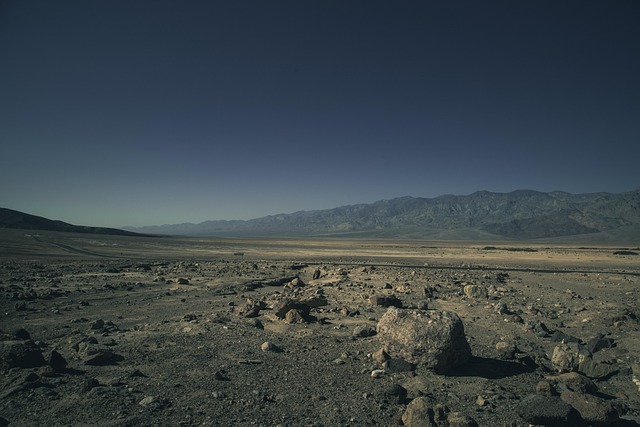
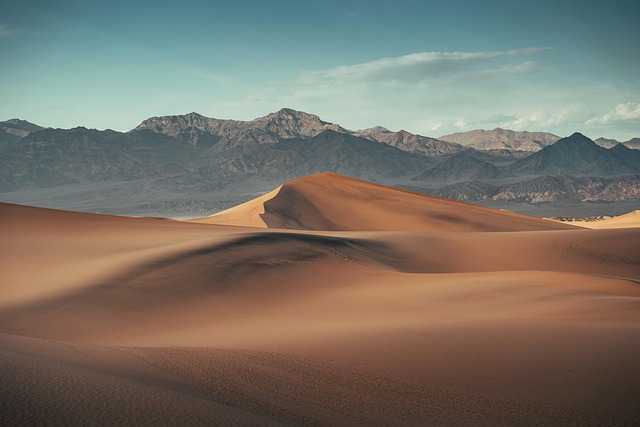
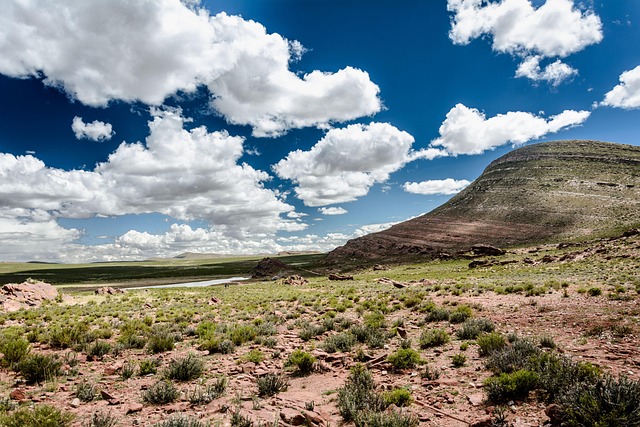
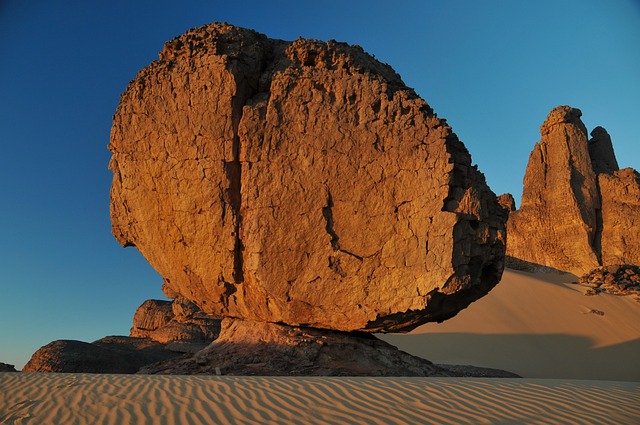
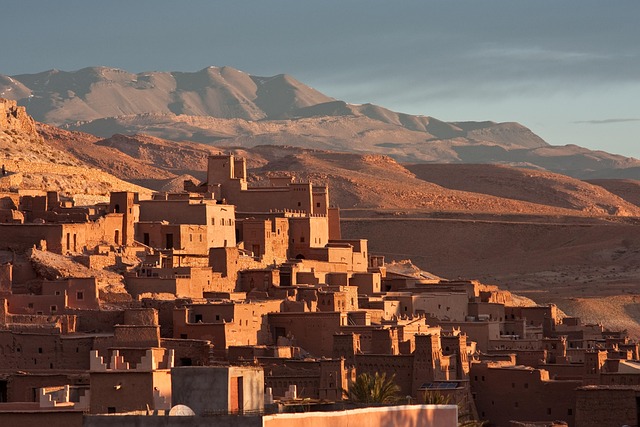
Desert transformation through greening initiatives. Photo: I Hug Trees

Understanding Desert Greening

What is Desert Greening and Why Does It Matter?

Desert greening is the process of transforming arid and degraded lands into productive, vegetated ecosystems through strategic restoration techniques. Deserts and drylands cover over 40% of Earth's land surface and support more than 2 billion people, yet climate change and unsustainable land management are expanding desert areas at an alarming rate—a process called desertification. Every year, an estimated 12 million hectares of productive land become desert, threatening food security, water resources, and biodiversity.

Desert greening matters profoundly for global sustainability. Restored desert lands can sequester significant amounts of carbon, helping combat climate change. They provide critical habitat for unique desert species adapted to extreme conditions. Most importantly, greening projects create sustainable livelihoods for desert communities through agriculture, forestry, and ecosystem services. Success stories from China's Loess Plateau, Israel's Negev Desert, and Africa's Great Green Wall demonstrate that with proper techniques and commitment, even the harshest deserts can bloom.

How is Desert Greening Achieved and Sustained?

Successful desert greening requires a multifaceted approach combining water management, appropriate vegetation, and community engagement. Water is the fundamental constraint— innovations like drip irrigation, rainwater harvesting, fog collection, and sustainable groundwater use make greening possible with minimal resources. Native drought-resistant plants and trees adapted to local conditions are essential; they survive with less water, prevent soil erosion, and support local ecosystems better than introduced species.

Sustaining desert greening demands long-term commitment. Sand dune stabilization using vegetation barriers and soil amendments prevents re-desertification. Renewable energy, particularly solar power, provides electricity for water pumping and community development without environmental degradation. Most critically, local communities must benefit economically from restoration through sustainable agriculture, ecotourism, or carbon credits. Technology plays an increasing role—satellite monitoring tracks vegetation growth, AI optimizes irrigation, and drones assist in seed dispersal. When combining traditional knowledge with modern innovation and ensuring community ownership, desert greening projects achieve lasting transformation.

Desert Greening Projects Worldwide

Desert greening projects are underway worldwide, aiming to combat desertification and restore ecosystems[1]. The Great Green Wall initiative spans Africa, seeking to create a mosaic of green and productive landscapes across the Sahel region[2]. In the Middle East, Saudi Arabia's Terraxy has raised USD 3M to scale its desert greening technology, focusing on afforestation and sustainable agriculture[3]. Brazil’s semi-arid region sees small farmers working to revive exhausted lands, hoping for government support in the fight against desertification[4]. These efforts reflect a global commitment to land restoration, offering hope amidst serious land degradation challenges[5].

Successful greening efforts in the Sahara and Gobi deserts showcase the potential of targeted interventions. In the Sahara, projects like the Sahara Forest Project combine solar energy, seawater greenhouses, and plantations to create sustainable ecosystems[1]. The Gobi Desert has seen reforestation projects that aim to halt desert expansion and improve local livelihoods[2]. These initiatives demonstrate that with innovation and collaboration, even the most arid regions can be transformed into productive landscapes[3].

Global desert transformation is a complex but achievable goal, requiring sustained investment, technological innovation, and international cooperation. As these projects progress, they not only restore ecosystems but also provide valuable lessons for future endeavors in desert greening worldwide[4][5].
Water Management & Innovation

Innovative water management system in desert region

Photo by lisahamming on Pixabay

Water management and innovation have become critical in addressing global water scarcity. Drip irrigation advances have revolutionized agriculture by delivering precise water amounts directly to plant roots, reducing waste and increasing crop yields[4]. Water harvesting techniques, such as rainwater collection and storage, help communities in arid regions conserve water for both agricultural and domestic use[5]. Desalination technology is increasingly employed to convert seawater into potable water, providing a vital resource in coastal areas facing freshwater shortages[3].

Groundwater conservation efforts utilize remote sensing and aeromagnetic data to map and predict groundwater accumulations, ensuring sustainable extraction practices[1]. Innovative water solutions for arid regions include the development of AI systems to monitor water quality and predict climate change impacts, enhancing adaptive water management strategies[3]. These technologies and techniques are essential in mitigating the effects of persistent water scarcity, especially in regions with high irrigation demands[2].

The integration of these innovative approaches fosters a more resilient and sustainable water management framework, crucial for supporting both agricultural productivity and community well-being in water-stressed environments.

Native Desert Plants & Adaptation

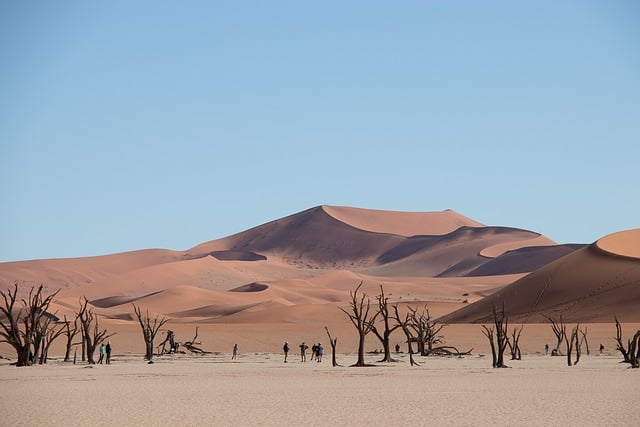
Native desert plants and drought-resistant vegetation

Photo by jplenio on Pixabay

Native desert plants have developed remarkable adaptations to thrive in harsh, arid environments[1]. These drought-resistant species, known as xerophytes, exhibit unique physiological and morphological traits that enable them to conserve water and survive extreme heat[2]. Research into xerophytes reveals intricate mechanisms, such as dark septate endophytes that promote growth under drought conditions[1]. Native plant restoration projects aim to reintroduce these climate-adapted vegetation to degraded desert landscapes, enhancing ecological resilience and biodiversity[3]. As climate change intensifies, understanding and preserving these adaptations become crucial for maintaining desert ecosystems[4].

The study of desert ecology highlights the importance of native vegetation in sustaining biodiversity and ecosystem services[5]. Xerophytes play a vital role in soil stabilization, water retention, and providing habitat for wildlife[3]. Climate-adapted vegetation not only withstands drought but also contributes to carbon sequestration and climate regulation[2]. By focusing on native plant restoration, we can mitigate the impacts of desertification and promote sustainable land management practices[4]. Embracing climate-adapted vegetation is essential for preserving the delicate balance of desert ecosystems in the face of global environmental challenges.

Technology & Satellite Monitoring

Satellite monitoring of desert greening progress

Photo by Pexels on Pixabay

Satellite tracking of desertification has revolutionized our understanding and management of arid lands[1]. Remote sensing innovations, utilizing satellite imagery and data analytics, provide real-time monitoring of environmental changes[2]. These technologies enable the precise mapping of desertification processes, helping to identify vulnerable areas and inform conservation strategies[2]. Artificial Intelligence (AI) enhances desert monitoring by analyzing complex data sets to predict future trends and assess the effectiveness of interventions[4].

Drone technology offers a complementary approach to satellite monitoring, providing high-resolution imagery and data collection in hard-to-reach areas[3]. Drones can assess soil moisture levels, vegetation health, and erosion patterns, contributing valuable insights to desertification studies[3]. Geographic Information Systems (GIS) applications integrate satellite, drone, and ground data to create comprehensive maps and models of arid landscapes[5]. These GIS tools support decision-making in land management and resource allocation, fostering sustainable practices in desert regions[5].

The synergy of these technologies—satellite tracking, remote sensing, AI, drones, and GIS—holds great promise for combating desertification and promoting ecological balance in arid environments[1][2][3][4][5].

Renewable Energy & Development

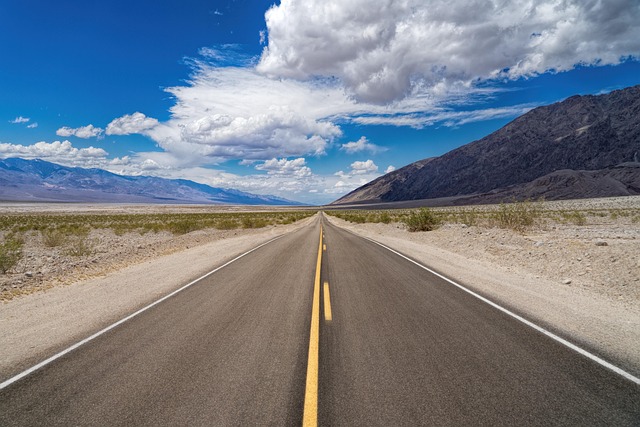
Solar energy installation in desert area

Photo by Lenzatic on Pixabay

Renewable energy projects in arid regions are vital for sustainable development and addressing the energy-water nexus[1]. Solar energy in deserts offers a promising solution, as demonstrated by China's extensive solar farms in the Gobi Desert[2]. These solar farms not only generate clean energy but also create microclimates that support plant growth, contributing to desert greening[4]. This dual benefit highlights the potential of solar energy to mitigate desertification while providing a reliable energy source.

In Africa, the African Development Bank is supporting Sahel Solar projects to enhance energy access and sustainability[5]. These initiatives are crucial for regions facing persistent water scarcity and high irrigation demands[1]. By integrating solar energy with water management strategies, these projects aim to create resilient ecosystems that can thrive despite arid conditions[3]. The success of these projects underscores the importance of renewable energy in promoting greening and sustainable development in arid regions.

The impact of solar farms on greening arid lands is significant, offering a model for future renewable energy projects[4]. As technology advances and investment increases, the potential for solar energy to transform desert landscapes into productive, sustainable environments grows. This approach not only addresses energy needs but also contributes to ecological restoration and climate resilience in some of the world's most vulnerable regions.

Sand Dune Stabilization

Sand dune stabilization is crucial for controlling soil erosion and combating desertification. Techniques such as vegetation barriers and planting native species help anchor sand and prevent shifting[1]. These methods not only stabilize dunes but also enhance biodiversity and support local ecosystems[2]. The United Nations emphasizes the importance of such practices in reversing land degradation and mitigating the effects of drought[3].

The European Union has launched initiatives to address global desertification, promoting sustainable land management practices[4]. These efforts include reforestation and the establishment of vegetation barriers to stabilize sand dunes[5]. By implementing these strategies, regions can protect their landscapes from erosion and contribute to the global fight against desertification.

Reversing land degradation through sand dune stabilization offers hope for sustainable futures. As communities adopt these practices, they enhance resilience against climate change and ensure the preservation of vital ecosystems for generations to come.

Community Impact & Livelihoods

Local communities engaged in desert restoration

Photo by mtorrazzina on Pixabay

Desert communities worldwide are experiencing transformative changes through greening initiatives, pastoral livelihoods, and local engagement in restoration efforts[1]. The integration of sustainable practices has not only enhanced the ecological balance but also bolstered economic stability. For instance, the genetic study of nomadic herders in Kenya reveals the adaptive strategies essential for desert living, highlighting the resilience and innovation within these communities[2]. Additionally, the economic impact of tribal agriculture in Arizona, generating over $750 million in total economic output, underscores the potential for desert regions to thrive economically through sustainable practices[3].

The focus on oasis sustainability and local engagement in restoration plays a crucial role in preserving these vital ecosystems. Initiatives like the New Oasis International Foundation's global incorporation for a sustainable impact model demonstrate a commitment to enhancing the livelihoods of desert communities while ensuring environmental sustainability[4]. Partnerships with local communities, such as the Turkana community in Kenya, facilitate the discovery of genetic adaptations to desert living, furthering our understanding and support for these populations[5]. This collaborative approach ensures that restoration efforts are both effective and inclusive, directly benefiting the communities involved.

Challenges & Solutions

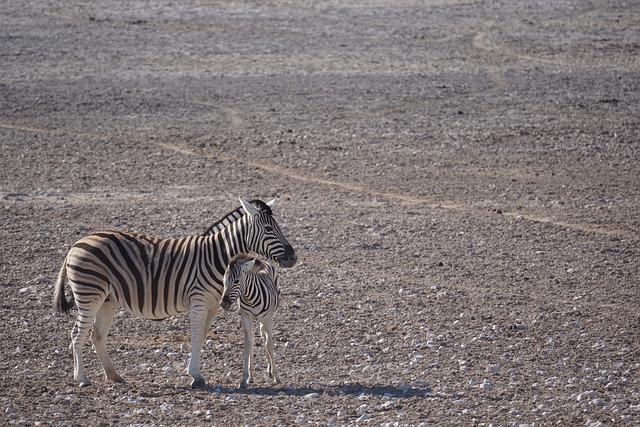
Overcoming challenges in desert greening

Photo by sosinda on Pixabay

Desert greening faces significant barriers, including funding challenges and the impacts of climate change[1]. Securing adequate financial resources is crucial, yet many initiatives struggle to attract consistent funding[2]. Climate change exacerbates these issues by altering weather patterns and increasing the frequency of extreme events, making greening efforts more complex and less predictable[4]. Innovative solutions are emerging to tackle these challenges. Technologies like drip irrigation and solar-powered desalination are helping to overcome water scarcity, a major hurdle in desert regions[3]. These advancements not only conserve water but also enhance the efficiency of greening projects.

Long-term sustainability remains a critical focus for desert greening projects. Ensuring that newly established ecosystems can thrive without continuous external support is essential[5]. This involves integrating local knowledge and practices with modern technology to create resilient systems. Community involvement is also key, as local populations are more likely to maintain green spaces if they see direct benefits[2]. By addressing these challenges with innovative approaches and community engagement, desert greening can become a viable solution to combat desertification and its associated impacts.

Thank you for reading this week's Desert Greening digest. The transformation of arid lands continues worldwide, bringing hope and sustainability to desert regions. We'll return next week with more insights from desert restoration projects around the globe.

📚 Referenced Sources

Desert Greening Projects Worldwide

  1. Mapping and predicting groundwater accumulations using remote sensing and aeromagnetic data: a case study from Bahariya Oasis, Western Desert, Egypt - Nature (2026-06-26)
  2. Desertification monitoring in arid oasis environment using Google Earth Engine, machine learning, and field-based hydrogeological assessment | Scientific Reports - Nature (2026-06-26)
  3. Saudi’s Terraxy Raises USD 3M to Scale Desert Greening Technology - waya.media (2026-06-26)
  4. In Brazil’s Semi-Arid Region, Small Farmers Work Exhausted Lands, Hoping a New Government Will Revive the War on Desertification - Inside Climate News (2026-06-26)
  5. Global land degradation serious, U.N. report finds, but restoration offers hope - Science | AAAS (2026-06-26)

Water Management & Innovation

  1. Mapping and predicting groundwater accumulations using remote sensing and aeromagnetic data: a case study from Bahariya Oasis, Western Desert, Egypt - Nature (2026-06-26)
  2. Persistent Water Scarcity Due To High Irrigation Demand in Arid China: A Case Study in the North Slope of the Tianshan Mountains - AGU Publications (2026-06-26)
  3. NYU Abu Dhabi researchers develop AI system to monitor water quality and climate change - Gulf News (2026-06-26)
  4. How pioneering technology transformed Israel’s desert into an agricultural oasis - Genetic Literacy Project (2026-06-26)
  5. Towards sustainable water management in Morocco: assessing resources, challenges, and adaptation strategies - Frontiers (2026-06-26)

Native Desert Plants & Adaptation

  1. Dark septate endophytes isolated from a xerophyte plant promote the growth of Ammopiptanthus mongolicus under drought condition | Scientific Reports - Nature (2026-06-26)
  2. With rapidly increasing heat and drought, can plants adapt? - University of California, Berkeley (2026-06-26)
  3. Turning your backyard into a drought-resistant and fire-smart desert oasis - cbs8.com (2026-06-26)
  4. Even Sonoran Desert plants aren’t immune to climate change - University of California, Riverside (2026-06-26)
  5. Eco-Physiological Responses of Native Desert Plant Species to Drought and Nutritional Levels: Case of Kuwait - Frontiers (2026-06-26)

Technology & Satellite Monitoring

  1. Mapping and predicting groundwater accumulations using remote sensing and aeromagnetic data: a case study from Bahariya Oasis, Western Desert, Egypt - Nature (2026-06-26)
  2. Desertification monitoring in arid oasis environment using Google Earth Engine, machine learning, and field-based hydrogeological assessment | Scientific Reports - Nature (2026-06-26)
  3. Experts make strides in drone irrigation technology - Daily Monitor (2026-06-26)
  4. NYU Abu Dhabi researchers develop AI system to monitor water quality and climate change - Gulf News (2026-06-26)
  5. Drones & Data: Learning How to Restore a Complex River System with AI - Utah State Magazine (2026-06-26)

Renewable Energy & Development

  1. Persistent Water Scarcity Due To High Irrigation Demand in Arid China: A Case Study in the North Slope of the Tianshan Mountains - AGU Publications (2026-06-26)
  2. From seeding drones to solar farms: A look at China’s battle against desertification - CNA (2026-06-26)
  3. Desert Solar—A Spectacular Fiction, Not a Spectacular Future - Middle East Research and Information Project (2026-06-26)
  4. “Desert greening:” China’s massive solar farms create cool refuges for plants in Gobi desert - Renew Economy (2026-06-26)
  5. The African Development Bank and the African Legal Support Facility strengthen Sahel Solar projects through IPP Protocol Training - African Development Bank Group (2026-06-26)

Sand Dune Stabilization

  1. Taking Root: Maine's Shift Toward ‘Living Shorelines’ - Senator George J. Mitchell Center for Sustainability Solutions - The University of Maine (2026-06-26)
  2. Michigan sand dunes increasingly covered by plants and trees, new study shows - FOX 2 Detroit (2026-06-26)
  3. World Day to Combat Desertification and Drought, 17 June - Welcome to the United Nations (2026-06-26)
  4. EU efforts on global desertification and land degradation - environment.ec.europa.eu (2026-06-26)
  5. World Day to Combat Desertification and Drought 2026 - Geneva Environment Network (2026-06-26)

Community Impact & Livelihoods

  1. Genetic study of nomadic herders in Kenya shows what it takes to adapt to desert living - University of California, Berkeley (2026-06-26)
  2. Genetic study of nomadic herders in Kenya shows what it takes to adapt to desert living - University of California, Berkeley (2026-06-26)
  3. Arizona tribal agriculture generates over $750 million in total economic output, new analysis finds - University of Arizona News (2026-06-26)
  4. New Oasis International Foundation Finalizes Global Incorporation for Sustainable Impact Model - TradingView (2026-06-26)
  5. Partnership with Kenya's Turkana community helps scientists discover genes involved in adaptation to desert living - EurekAlert! (2026-06-26)

Challenges & Solutions

  1. Desertification, Land Degradation and Drought, and the Role of Geneva - Geneva Environment Network (2026-06-26)
  2. UAE redefines global fight against desertification, drought - azertag.az (2026-06-26)
  3. In Brazil’s Semi-Arid Region, Small Farmers Work Exhausted Lands, Hoping a New Government Will Revive the War on Desertification - Inside Climate News (2026-06-26)
  4. Explainer: ‘Desertification’ and the role of climate change - Carbon Brief (2026-06-26)
  5. You Asked: Can the Great Green Wall Stop the Sahara From Expanding? - Columbia University (2026-06-26)