I Hug Trees

Desert Greening

Transforming Arid Lands – Weekly

Global desert restoration, water innovation, and sustainable development from arid regions, every week.

📅 2026-07-24 ⏱️ 13 min read 🌵 Weekly

Week of 2026-07-24

Desert Greening

Global desert restoration, water innovation, and sustainable development from arid regions, every week.

This Week's Highlights

Desert greening and desertification control are paramount to sustaining ecosystems and human livelihoods in arid regions. This week, significant advancements in desert restoration underscore the potential of technology and innovation in combating desertification. Exciting developments include the use of remote sensing and aeromagnetic data to map groundwater in Egypt’s Bahariya Oasis, and leveraging Google Earth Engine with machine learning for desertification monitoring. Water management innovations are crucial, as highlighted by studies on irrigation challenges in China and the promotion of native plant growth through endophytes. Major themes this week involve the integration of technology in monitoring and restoration efforts, the pressing need for sustainable water management, and the exploration of native plants' roles in resilient ecosystems. Additionally, the alarming projection that ten US cities could become deserts by 2080 emphasizes the urgency of our mission. This digest delves into these critical topics, offering insights and solutions to foster a greener, more sustainable future for our deserts.

Desert greening transformation

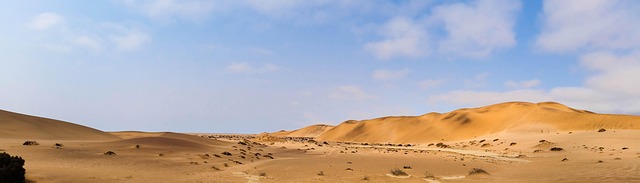
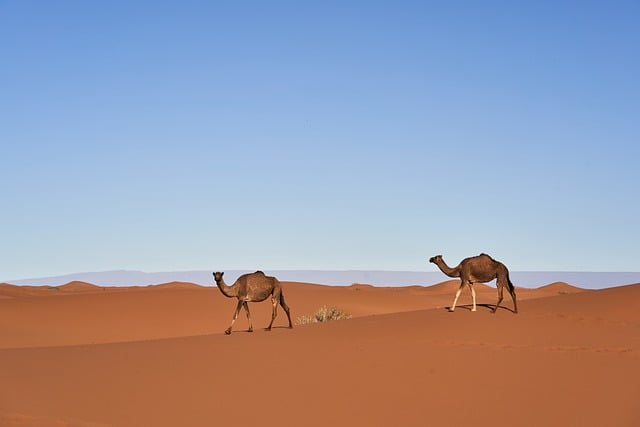
Desert transformation through greening initiatives. Photo: I Hug Trees

Understanding Desert Greening

What is Desert Greening and Why Does It Matter?

Desert greening is the process of transforming arid and degraded lands into productive, vegetated ecosystems through strategic restoration techniques. Deserts and drylands cover over 40% of Earth's land surface and support more than 2 billion people, yet climate change and unsustainable land management are expanding desert areas at an alarming rate—a process called desertification. Every year, an estimated 12 million hectares of productive land become desert, threatening food security, water resources, and biodiversity.

Desert greening matters profoundly for global sustainability. Restored desert lands can sequester significant amounts of carbon, helping combat climate change. They provide critical habitat for unique desert species adapted to extreme conditions. Most importantly, greening projects create sustainable livelihoods for desert communities through agriculture, forestry, and ecosystem services. Success stories from China's Loess Plateau, Israel's Negev Desert, and Africa's Great Green Wall demonstrate that with proper techniques and commitment, even the harshest deserts can bloom.

How is Desert Greening Achieved and Sustained?

Successful desert greening requires a multifaceted approach combining water management, appropriate vegetation, and community engagement. Water is the fundamental constraint— innovations like drip irrigation, rainwater harvesting, fog collection, and sustainable groundwater use make greening possible with minimal resources. Native drought-resistant plants and trees adapted to local conditions are essential; they survive with less water, prevent soil erosion, and support local ecosystems better than introduced species.

Sustaining desert greening demands long-term commitment. Sand dune stabilization using vegetation barriers and soil amendments prevents re-desertification. Renewable energy, particularly solar power, provides electricity for water pumping and community development without environmental degradation. Most critically, local communities must benefit economically from restoration through sustainable agriculture, ecotourism, or carbon credits. Technology plays an increasing role—satellite monitoring tracks vegetation growth, AI optimizes irrigation, and drones assist in seed dispersal. When combining traditional knowledge with modern innovation and ensuring community ownership, desert greening projects achieve lasting transformation.

Desert Greening Projects Worldwide

Major desert restoration initiatives are gaining traction globally, aiming to combat desertification and its adverse effects. The Great Green Wall project, spanning across Africa, has shown promising progress with a 20% expansion in 2024[1]. Similarly, afforestation projects in the Sahara and Gobi deserts are yielding positive results, enhancing biodiversity and stabilizing sand dunes[2]. In the Middle East, Saudi Arabia's Terraxy has secured USD 3 million to scale its desert greening technology, emphasizing the region's commitment to sustainable development[3].

Global desert transformation efforts are not limited to Africa and Asia. In the United States, emerging climate studies warn that ten cities could face desertification by 2080, highlighting the urgent need for proactive measures[4]. China's extensive desert greening projects have significantly altered its water table, demonstrating both the potential and challenges of large-scale environmental interventions[5]. These initiatives underscore a collective global effort to restore and preserve our planet's fragile ecosystems.


Water Management & Innovation

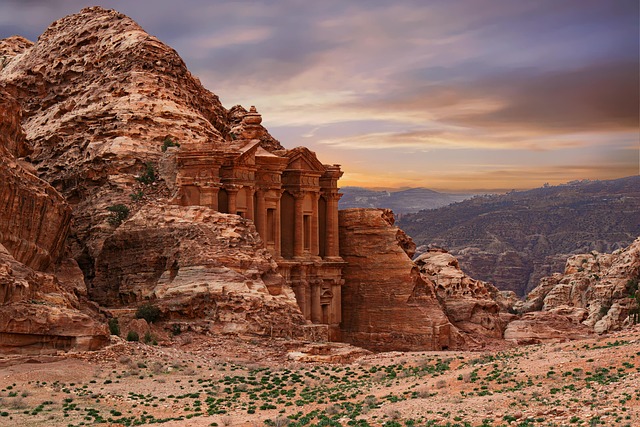
Innovative water management system in desert region

Photo by ELG21 on Pixabay

Water management and innovation are critical in addressing global water scarcity issues. Drip irrigation advances have revolutionized water use efficiency in agriculture, allowing precise water delivery directly to plant roots[4]. Water harvesting techniques, such as rainwater collection and groundwater recharge, are essential in arid regions to maximize available water resources[5]. Desalination technology, though energy-intensive, offers a viable solution for converting seawater into potable water, especially in coastal areas facing freshwater shortages[3].

Groundwater conservation strategies, including managed aquifer recharge and sustainable pumping practices, are vital for maintaining groundwater levels and preventing depletion[1]. Innovative water solutions for arid regions, such as atmospheric water generators, provide alternative water sources in extremely dry environments[3]. These technologies are crucial for supporting agriculture, drinking water needs, and ecological balance in water-stressed areas[2]. Continued investment in research and implementation of these innovative water management practices is essential for ensuring sustainable water use and resilience against future water challenges.

Native Desert Plants & Adaptation

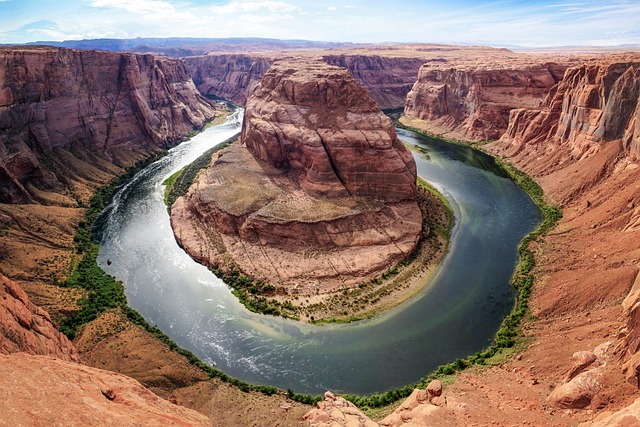
Native desert plants and drought-resistant vegetation

Photo by StockSnap on Pixabay

Native desert plants exhibit remarkable adaptations to thrive in arid environments. Drought-resistant species such as Ammopiptanthus mongolicus have developed unique mechanisms to survive prolonged dry periods[1]. Research on xerophytes reveals that these plants often possess deep root systems and specialized tissues that store water efficiently[3]. Additionally, some desert plants have evolved to perform photosynthesis at night, minimizing water loss through transpiration[2]. These adaptations are crucial for the survival of desert ecosystems, which are increasingly threatened by climate change[4].

The restoration of native plant species is vital for maintaining desert ecology and biodiversity. Climate-adapted vegetation plays a significant role in stabilizing soil, preventing erosion, and providing habitat for wildlife[3]. Efforts to reintroduce native plants help to restore the natural balance of desert ecosystems, which have been disrupted by human activities and changing climate conditions[4]. By focusing on native plant restoration, we can enhance the resilience of desert landscapes and support the diverse array of species that depend on them[5].

In conclusion, understanding and preserving the adaptations of native desert plants is essential for the health of these unique ecosystems. Through continued research and restoration efforts, we can protect these vital species and ensure their survival in the face of ongoing environmental challenges[2][4].

Technology & Satellite Monitoring

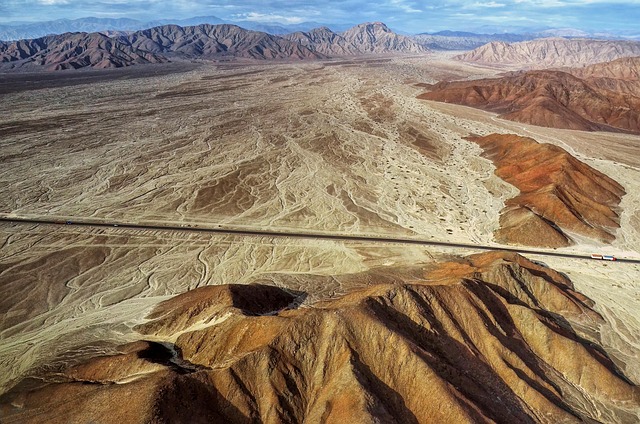
Satellite monitoring of desert greening progress

Photo by kolibri5 on Pixabay

Satellite tracking of desertification has revolutionized our understanding and management of arid lands. Remote sensing innovations, leveraging satellite data, enable precise mapping and monitoring of desertification processes[1]. These technologies provide critical insights into groundwater accumulations and land degradation trends, facilitating targeted interventions[2]. The integration of artificial intelligence (AI) enhances desert monitoring by predicting future desertification patterns based on historical data and environmental variables[3].

Drone technology complements satellite monitoring by offering high-resolution imagery and real-time data collection in inaccessible areas[4]. Geographic Information Systems (GIS) applications further support desert management by analyzing spatial data to identify vulnerable regions and assess the effectiveness of restoration efforts[5]. This multi-faceted approach ensures a comprehensive understanding of desertification dynamics and informs sustainable land management practices.

The synergy between satellite monitoring, AI, drones, and GIS holds promise for mitigating desertification impacts and promoting ecological resilience in arid regions. Continued advancements in these technologies will be crucial in addressing the global challenge of land degradation.

Renewable Energy & Development

Solar energy installation in desert area

Photo by ChiemSeherin on Pixabay

Solar energy in deserts presents a unique opportunity for renewable projects in arid regions, addressing the energy-water nexus[1]. The vast, open spaces and abundant sunlight make deserts ideal for large-scale solar farms. In China, solar farms have not only generated renewable energy but also contributed to "desert greening" by creating cooler microclimates that support plant life[2][5]. This dual benefit highlights the potential for sustainable development in areas where traditional agriculture is challenging.

However, the implementation of solar farms in deserts is not without controversy. In the Mojave Desert, the development of solar energy projects has sparked protests due to the impact on local ecosystems, including the removal of native plants like Joshua trees[3]. This raises important questions about balancing renewable energy goals with environmental conservation. The success of solar farms in arid regions depends on careful planning and consideration of the local ecosystem[4].

Overall, the integration of solar energy in deserts offers a promising path towards sustainable development, provided that projects are designed with ecological sensitivity and a commitment to preserving the unique biodiversity of these regions.

Sand Dune Stabilization

Sand dune stabilization techniques

Photo by Pexels on Pixabay

Sand dune stabilization is a critical technique in combating desertification and reversing land degradation. Methods such as the establishment of vegetation barriers and the use of nebkhas—small mounds formed by wind-blown sand trapped by vegetation—play a significant role in this process[2]. These techniques not only fix sand dunes but also control soil erosion, which is vital for maintaining ecological balance in arid and semi-arid regions[2]. The implementation of such strategies has shown promising results in areas like Michigan, where increased plant and tree coverage on sand dunes has been observed[3].

Globally, initiatives like the Great Green Wall in Africa aim to create a mosaic of green and productive landscapes that stretch across the entire Sahel region[4]. These efforts are crucial in sequestering carbon, creating jobs, and restoring indigenous knowledge of land and nature management[4]. Egypt's leadership in preparing for UN desertification talks further underscores the international commitment to these issues[5]. Such collaborative efforts are essential for the success of sand dune stabilization projects worldwide.

In conclusion, sand dune stabilization through vegetation barriers and nebkhas is a proven method for soil erosion control and desertification combat[2]. With global initiatives and international cooperation, these techniques offer a hopeful solution to land degradation, promoting sustainable landscapes and biodiversity protection[4].

Community Impact & Livelihoods

Local communities engaged in desert restoration

Photo by jpdvg on Pixabay

Desert communities are experiencing significant benefits from greening initiatives, which enhance pastoral livelihoods and promote economic growth[1]. These projects focus on oasis sustainability and involve local populations in restoration efforts, leading to improved living conditions and increased income for residents[2]. The integration of traditional knowledge with modern techniques has proven effective in adapting to desert environments, as evidenced by the success of nomadic herder communities in Kenya[3].

Economic impacts are substantial, with tribal agriculture in Arizona generating over $750 million in total economic output[4]. Such initiatives not only support local economies but also foster community engagement and environmental stewardship. The Urban Farm Oasis in South Berkeley exemplifies how urban green spaces can serve as centers for community and sustainability, providing fresh produce and educational opportunities[5].

Overall, these efforts demonstrate the potential for desert communities to thrive through sustainable practices and collaborative restoration projects.

Challenges & Solutions

Overcoming challenges in desert greening

Photo by Pexels on Pixabay

Desert greening faces significant challenges, primarily due to barriers such as funding constraints[1] and the impacts of climate change[2]. These obstacles exacerbate desertification and land degradation, making it difficult to implement effective greening strategies. Additionally, water scarcity poses a critical issue, as arid regions struggle to provide sufficient water resources for vegetation growth[3]. The long-term sustainability of greening projects is also uncertain, as changing climate conditions may undermine initial successes.

Innovative solutions are emerging to tackle these challenges. For instance, a soil scientist has been awarded a $1.6M NSF grant to study the ‘living skin’ of arid ecosystems, aiming to develop sustainable methods for desert greening[3]. Additionally, projects in South Australia have received a $3.84 million funding boost to enhance climate resilience and biodiversity[5]. These initiatives highlight the potential for scientific research and financial investment to overcome barriers and promote long-term sustainability in desert greening efforts.

Moreover, international cooperation and knowledge sharing are crucial for addressing the complex issues of desertification and climate change[2]. By combining innovative technologies, robust funding mechanisms, and global collaboration, it is possible to create resilient ecosystems that can withstand the pressures of a changing climate and contribute to the fight against desertification.

Thank you for reading this week's Desert Greening digest. The transformation of arid lands continues worldwide, bringing hope and sustainability to desert regions. We'll return next week with more insights from desert restoration projects around the globe.

📚 Referenced Sources

Desert Greening Projects Worldwide

  1. Mapping and predicting groundwater accumulations using remote sensing and aeromagnetic data: a case study from Bahariya Oasis, Western Desert, Egypt - Nature (2026-07-24)
  2. Desertification monitoring in arid oasis environment using Google Earth Engine, machine learning, and field-based hydrogeological assessment | Scientific Reports - Nature (2026-07-24)
  3. Saudi’s Terraxy Raises USD 3M to Scale Desert Greening Technology - waya.media (2026-07-24)
  4. These 10 US cities could become deserts by 2080: New climate study showcases chilling data - The Times of India (2026-07-24)
  5. China’s Desert Greening Projects Altering its Water Table: Study - Asia Financial (2026-07-24)

Water Management & Innovation

  1. Mapping and predicting groundwater accumulations using remote sensing and aeromagnetic data: a case study from Bahariya Oasis, Western Desert, Egypt - Nature (2026-07-24)
  2. Persistent Water Scarcity Due To High Irrigation Demand in Arid China: A Case Study in the North Slope of the Tianshan Mountains - AGU Publications (2026-07-24)
  3. While desalination plants consume the energy of entire cities to extract water from the sea, a company is deploying machines that harvest up to 5,000 liters per day from the air on six continents and aims to bring this technology to deserts with less than 20% hu - CPG Click Oil and Gas (2026-07-24)
  4. How pioneering technology transformed Israel’s desert into an agricultural oasis - Genetic Literacy Project (2026-07-24)
  5. Towards sustainable water management in Morocco: assessing resources, challenges, and adaptation strategies - Frontiers (2026-07-24)

Native Desert Plants & Adaptation

  1. Dark septate endophytes isolated from a xerophyte plant promote the growth of Ammopiptanthus mongolicus under drought condition | Scientific Reports - Nature (2026-07-24)
  2. With rapidly increasing heat and drought, can plants adapt? - University of California, Berkeley (2026-07-24)
  3. Turning your backyard into a drought-resistant and fire-smart desert oasis - cbs8.com (2026-07-24)
  4. Even Sonoran Desert plants aren’t immune to climate change - University of California, Riverside (2026-07-24)
  5. Save water with these Colorado native flowers, plants that are drought tolerant, low maintenance - KDVR (2026-07-24)

Technology & Satellite Monitoring

  1. Mapping and predicting groundwater accumulations using remote sensing and aeromagnetic data: a case study from Bahariya Oasis, Western Desert, Egypt - Nature (2026-07-24)
  2. Desertification monitoring in arid oasis environment using Google Earth Engine, machine learning, and field-based hydrogeological assessment | Scientific Reports - Nature (2026-07-24)
  3. Dataset of typical terminal lake and surrounding oasis outlines in arid/semi-arid endorheic basins based on remote sensing data - Nature (2026-07-24)
  4. Drones & Data: Learning How to Restore a Complex River System with AI - Utah State Magazine (2026-07-24)
  5. EU efforts on global desertification and land degradation - environment.ec.europa.eu (2026-07-24)

Renewable Energy & Development

  1. Persistent Water Scarcity Due To High Irrigation Demand in Arid China: A Case Study in the North Slope of the Tianshan Mountains - AGU Publications (2026-07-24)
  2. From seeding drones to solar farms: A look at China’s battle against desertification - CNA (2026-07-24)
  3. As crews chainsaw Joshua trees, Mojave Desert community protests solar energy project - Los Angeles Times (2026-07-24)
  4. Desert Solar—A Spectacular Fiction, Not a Spectacular Future - Middle East Research and Information Project (2026-07-24)
  5. “Desert greening:” China’s massive solar farms create cool refuges for plants in Gobi desert - Renew Economy (2026-07-24)

Sand Dune Stabilization

  1. Taking Root: Maine's Shift Toward ‘Living Shorelines’ - Senator George J. Mitchell Center for Sustainability Solutions - The University of Maine (2026-07-24)
  2. Nebkhas play important roles in desertification control and biodiversity protection in arid and semi-arid regions of China - Science Partner Journals (2026-07-24)
  3. Michigan sand dunes increasingly covered by plants and trees, new study shows - FOX 2 Detroit (2026-07-24)
  4. World Day to Combat Desertification and Drought, 17 June - Welcome to the United Nations (2026-07-24)
  5. Egypt chairs Arab group preparing for UN desertification talks - Egypt Independent (2026-07-24)

Community Impact & Livelihoods

  1. Genetic study of nomadic herders in Kenya shows what it takes to adapt to desert living - University of California, Berkeley (2026-07-24)
  2. Genetic study of nomadic herders in Kenya shows what it takes to adapt to desert living - University of California, Berkeley (2026-07-24)
  3. Arizona tribal agriculture generates over $750 million in total economic output, new analysis finds - University of Arizona News (2026-07-24)
  4. Urban Farm Oasis serves as South Berkeley center for community, sustainability - Daily Cal (2026-07-24)
  5. Campus community gets first look at OASIS - University of California, Riverside (2026-07-24)

Challenges & Solutions

  1. These 10 US cities could become deserts by 2080: New climate study showcases chilling data - The Times of India (2026-07-24)
  2. Desertification, Land Degradation and Drought, and the Role of Geneva - Geneva Environment Network (2026-07-24)
  3. Soil scientist awarded $1.6M NSF grant to study ‘living skin’ of arid ecosystems - The Pennsylvania State University (2026-07-24)
  4. Explainer: ‘Desertification’ and the role of climate change - Carbon Brief (2026-07-24)
  5. SA landscapes to share $3.84 million funding boost for climate resilience and biodiversity projects - Glam Adelaide (2026-07-24)