
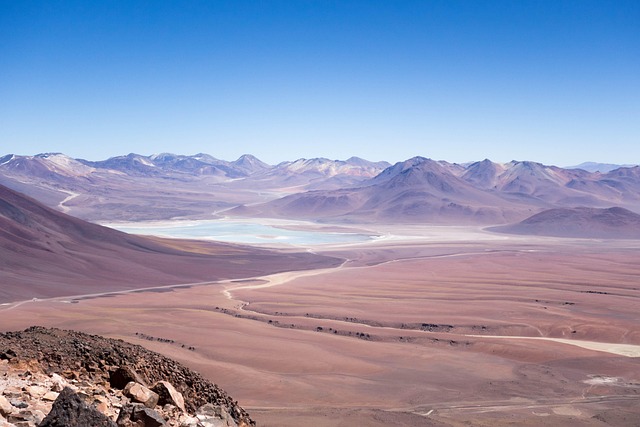
Libya's Leap into Space: A New Satellite to Combat Desertification
In a significant stride towards mitigating desertification, Libya is preparing to launch its first national satellite dedicated to climate and desertification monitoring[1]. This move underscores the country's commitment to leveraging advanced technology in the fight against the encroaching desert. The satellite, equipped with state-of-the-art sensors and imaging capabilities, will provide real-time data on environmental changes, soil moisture levels, and vegetation health across Libya's vast arid landscapes.
Technological Innovation in Desert Monitoring
The satellite's deployment marks a pivotal moment for Libya, offering unprecedented insights into the dynamics of desertification. By capturing high-resolution images and data, it will enable scientists and policymakers to monitor changes in land use, assess the effectiveness of greening initiatives, and predict future trends in desert expansion. This technological leap is expected to enhance the precision of desertification models, allowing for more targeted and effective interventions.
Moreover, the satellite's data will be crucial in identifying areas most vulnerable to desertification, facilitating the allocation of resources to where they are needed most. It will also support the evaluation of the impact of climate change on Libya's ecosystems, providing a clearer picture of the challenges ahead and informing adaptive strategies.
A Model for Other Nations?
Libya's initiative could set a precedent for other nations grappling with desertification. The success of this satellite mission may inspire neighboring countries in North Africa and the Middle East to invest in similar technologies, fostering a regional approach to combating desertification. Collaborative data sharing and joint research efforts could emerge, amplifying the impact of these technologies across the globe.
As the world watches Libya's progress, the potential for satellite technology to revolutionize desert monitoring and management becomes increasingly apparent. This development not only highlights the critical role of innovation in environmental conservation but also demonstrates the power of commitment and action in the face of one of the planet's most pressing challenges.