
I Hug Trees

Trees in the Balance

Deforestation, Reforestation & Climate Trends – Weekly

Global forest news, restoration projects, and climate action from around the world, every week.

📅 2026-01-13 ⏱️ 12 min read 🌳 Weekly

Week of 2026-01-13

Trees in the Balance

Global forest news, restoration projects, and climate action from around the world, every week.

This Week's Highlights

Trees are the unsung heroes in our fight against climate change, acting as natural carbon storage units, providing cooling effects, and reducing greenhouse gas emissions. This week, alarming deforestation trends reveal the urgent need for action, with the Amazon Rainforest hitting record carbon emissions from 2024 forest fires and persistent forest loss in Brazil’s most deforested reserve. Conversely, inspiring reforestation efforts emerge as vital climate solutions. Major themes this week include the critical role of indigenous and local leadership in climate and biodiversity, the intricate interplay between climate change and deforestation in the Amazon, and innovative uses of satellite data and AI to combat deforestation. Join us as we delve into these pressing issues and explore how global initiatives and policy actions are paving the way for a greener, more balanced future.

Understanding Deforestation & Reforestation

What is Deforestation and What Causes It?

Deforestation is the permanent removal of forests to make way for other land uses. Every year, the world loses approximately 10 million hectares of forest—an area roughly the size of Iceland. This loss happens primarily in tropical regions where forests are cleared for agriculture, particularly cattle ranching, soy cultivation, and palm oil plantations. Other major drivers include logging for timber and paper, mining operations, and infrastructure development like roads and dams.

The consequences are severe and far-reaching. Deforestation releases billions of tons of stored carbon into the atmosphere, accounting for roughly 10-15% of global greenhouse gas emissions. It destroys critical habitat for millions of species, disrupts water cycles, increases soil erosion, and threatens the livelihoods of Indigenous peoples and local communities who depend on forests for survival. The loss of forest cover also reduces the planet's capacity to absorb future carbon emissions.

What is Reforestation and How to Sustain It?

Reforestation is the process of replanting trees in areas where forests have been cut down or degraded. It represents one of humanity's most powerful tools for climate mitigation, as growing forests actively remove carbon dioxide from the atmosphere while providing ecosystem services like water filtration, soil stabilization, and biodiversity habitat. Successful reforestation requires careful species selection, often prioritizing native trees adapted to local conditions, and long-term commitment to maintenance.

Sustaining reforestation efforts demands more than just planting trees. Young forests need protection from fire, grazing animals, and illegal logging during their vulnerable early years. Community engagement is essential—projects succeed when local people benefit economically from forest restoration through sustainable harvests, ecotourism, or carbon credit programs. Monitoring survival rates, securing long-term funding, and addressing the root causes of deforestation are all critical. The most successful projects combine science-based restoration techniques with strong policy frameworks and genuine partnerships with communities who steward the land.

Trees Under Threat: Global Deforestation Trends

Deforested landscape showing forest loss and cleared land

Photo by clarbner on Pixabay

Recent data reveals alarming deforestation trends, with the Amazon, Indonesia, and the Congo identified as critical hotspots[4]. Satellite observations indicate that the Brazilian Amazon continues to suffer significant forest loss, particularly in its most deforested reserve[2]. This week, record carbon emissions from forest fires in the Amazon have exacerbated the situation[1]. Additionally, Indonesia's deforestation rate has surpassed Brazil's, marking a troubling shift in global deforestation dynamics[5].

Fire-driven deforestation remains a major concern, with climate change intensifying the frequency and severity of fires[3]. This week alone, global satellite data has captured extensive fire-related forest loss across these critical regions[1]. The interaction between climate change and deforestation is transforming the Amazon rainforest, with profound implications for biodiversity and carbon storage[3].

Efforts to secure financial support for rainforest protection are underway, with Brazil, Indonesia, and the Congo collaborating to attract necessary funds[4]. However, the urgency of the situation demands immediate and substantial action to mitigate the ongoing threats to these vital ecosystems.

Trees Rising: Reforestation Success Stories

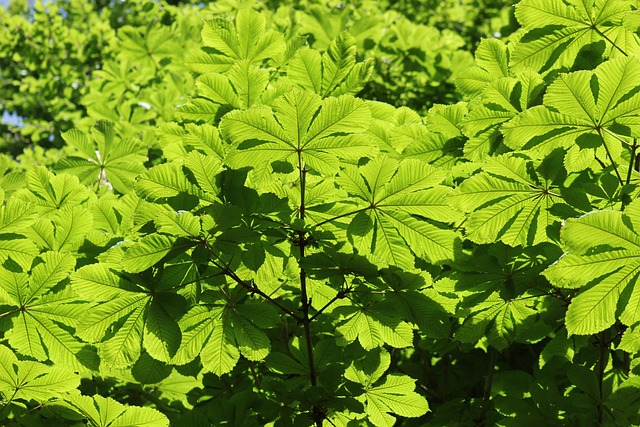
Newly planted trees in reforestation project area

Photo by DominikRh on Pixabay

Mega-reforestation projects, such as Taiwan’s first coastal afforestation carbon offset by TSMC, have successfully reduced over 1,000 tons of emissions[1]. Community-led restoration initiatives are gaining momentum globally, exemplified by Hungary’s National Reforestation Programme, which has received new funding to expand efforts[2]. Rewilding initiatives and afforestation programs are creating jobs and stimulating economic growth, as seen in Northern Arizona where forest restoration activities have fueled significant economic impact[3].

Restoration wins worldwide highlight the diverse approaches to reforestation. In Senegal, despite challenges, progress is being made on the Great Green Wall project, although it faces issues due to unfulfilled pledges[5]. Comparative studies show that different reforestation methods, such as agroforestry and native timber planting, offer varied carbon offsets and livelihood benefits, underscoring the need for tailored approaches[4]. These success stories demonstrate the potential of reforestation to combat climate change and support local communities.

Indigenous Peoples and Trees: Guardians of the Forest

Indigenous people protecting forest land

Photo by breaklessbiker on Pixabay

Indigenous Peoples have long been recognized as the guardians of the forest, utilizing traditional knowledge and practices to manage and protect their territories. Research indicates that Indigenous lands experience significantly lower deforestation rates compared to non-Indigenous areas[1]. This is largely due to the implementation of traditional forest management techniques that promote sustainability and biodiversity conservation[2]. Securing land tenure for Indigenous communities is crucial, as it empowers them to enforce sustainable practices and resist external pressures that contribute to deforestation[3].

The recognition of Indigenous land rights is not only vital for environmental conservation but also for the well-being of Indigenous communities. Studies have shown that protecting Indigenous territories can lead to improved public health outcomes, as these areas often serve as buffer zones against the spread of diseases and the impacts of climate change[4]. Furthermore, community forestry initiatives that involve Indigenous Peoples in decision-making processes have proven to be effective in reducing deforestation rates and enhancing forest health[5].

Global efforts to support Indigenous land rights and traditional forest management practices are essential in the fight against deforestation. By empowering Indigenous communities, we can leverage their expertise and stewardship to protect vital ecosystems and ensure a sustainable future for all.

Trees and Technology: Drones, AI & Innovation

Drone technology used for forest monitoring and tree planting

Photo by 5023100 on Pixabay

In the fight against deforestation, technology is proving to be a powerful ally. Seed-firing drones are revolutionizing reforestation efforts, enabling precise planting in hard-to-reach areas[4]. Satellite forest monitoring, combined with AI, has become crucial in identifying deforestation drivers and tracking progress[1]. AI algorithms analyze vast amounts of data to detect illegal logging activities, providing real-time alerts to authorities[2]. This technology-driven approach enhances precision in reforestation projects, ensuring resources are allocated effectively[5].

Remote sensing breakthroughs are transforming how we monitor and manage forests. High-resolution satellite imagery allows for detailed analysis of forest health and carbon storage[3]. These advancements enable more accurate verification of carbon removal projects, fostering transparency and accountability in conservation efforts[3]. The integration of drones, AI, and remote sensing represents a significant leap forward in our ability to protect and restore forests, offering hope for a sustainable future[4].

Trees, Agriculture & Land Use

Agricultural land expansion affecting forest areas

Photo by Spykerf1 on Pixabay

Tree loss is significantly driven by agricultural expansion, including cattle ranching, soy, and palm oil plantations, as well as mining activities[1]. These industries clear vast areas of forest to make way for their operations, often leading to severe environmental degradation[3]. Cattle ranching, particularly in regions like the Amazon, is a major contributor to deforestation as ranchers seek to expand their grazing lands[5]. Similarly, the demand for soy and palm oil has led to extensive clearing of forests for plantations, further exacerbating tree loss[1]. Mining, especially for rare earth elements, also results in significant deforestation as companies extract valuable resources from forested areas[3].

The economic drivers behind these activities are complex and multifaceted. High global demand for beef, soy, and palm oil creates strong economic incentives for producers to clear forests[1]. Additionally, the profitability of mining operations, particularly in regions rich in valuable minerals, drives continued deforestation[3]. These economic pressures often override environmental considerations, leading to unsustainable land use practices[1]. Addressing these drivers requires a combination of policy interventions, market-based solutions, and international cooperation to promote sustainable land use and protect forests[4].

Forest Policy & International Action

Government officials discussing forest conservation policy

Photo by cocoparisienne on Pixabay

Government forest commitments are evolving rapidly, with Suriname pledging to protect 90% of its forests by 2030, surpassing the global 30×30 goal[1]. At COP30, nations reaffirmed their dedication to halt illegal deforestation by 2030[2][3]. This summit highlighted the critical role of Indigenous peoples in forest conservation[5]. International agreements like REDD+ continue to play a vital role in reducing emissions from deforestation and forest degradation, offering financial incentives for sustainable forest management[4]. These efforts are crucial for meeting the 2030 deforestation targets and ensuring the preservation of vital ecosystems.

Legislation updates are essential to support these international agreements and pledges. Countries are updating their forest policies to align with global goals, incorporating stricter enforcement measures and community-based management strategies[4]. The success of REDD+ over the past 15 years has provided valuable insights into effective policy implementation, emphasizing the need for transparent governance and inclusive decision-making processes[4]. As the world moves towards 2030, continued international cooperation and robust national policies will be key to achieving these ambitious deforestation targets.

Trees and Community Impact

Local community members engaged in forest restoration

Photo by herbert2512 on Pixabay

Local communities are deeply affected by deforestation, facing challenges such as loss of livelihoods and economic instability[1]. In contrast, reforestation initiatives bring significant benefits, including improved livelihoods and economic opportunities[2]. For instance, the Northern Forests Initiative has successfully restored cross-border forests, enhancing community well-being and providing sustainable income sources[3].

Reforestation projects often integrate sustainable practices, such as fruit tree planting, which not only restores ecosystems but also supports local economies[2]. These efforts create jobs, promote biodiversity, and strengthen social cohesion within communities[3]. Additionally, carbon offset programs can generate revenue, further supporting economic development and resilience[1].

Indigenous and local communities play a crucial role in these initiatives, ensuring that reforestation efforts are culturally sensitive and community-driven[5]. Their involvement fosters a sense of ownership and ensures the long-term success of reforestation projects, highlighting the importance of inclusive and sustainable approaches[4].

Trees: Challenges and Solutions

Forest fire prevention and restoration challenges

Photo by InspiredImages on Pixabay

Trees face numerous challenges globally, from fire risks and funding gaps to illegal logging and low survival rates[1]. These issues threaten biodiversity and climate stability, necessitating urgent action. Fires, exacerbated by climate change, destroy vast forested areas annually, while insufficient funding hampers conservation efforts. Illegal logging, particularly in the Amazon, continues to thrive, supplying illicit timber to international markets[1]. Moreover, tree survival rates post-planting are often disappointing, underscoring the need for better practices.

Innovative solutions are emerging to combat these challenges. Grants and funding, like the $1.5M awarded to Teatown for forest restoration, are crucial[2]. Programs integrating environmental and agricultural benefits show promise in Brazil, demonstrating that sustainable practices can yield dual rewards[3]. Additionally, initiatives like Amazon Reforestation 2025 aim to tackle deforestation head-on, offering hope for reversing damage[4]. New strategies for carbon offsets are also being explored to more effectively protect rainforests[5].

Thank you for reading this week's Trees in the Balance digest. The fight to protect and restore the world's forests continues, and every tree matters in our changing climate. We'll return next week with more insights from forests around the globe.

📚 Referenced Sources

Trees Under Threat: Global Deforestation Trends

  1. Amazon Rainforest hits record carbon emissions from 2024 forest fires - Mongabay (2026-01-13)
  2. Satellite data show forest loss persists in Brazilian Amazon’s most deforested reserve - Mongabay (2026-01-13)
  3. How climate change and deforestation interact in the transformation of the Amazon rainforest - Nature (2026-01-13)
  4. Where is the money? Brazil, Indonesia and Congo join forces in push for rainforest protection cash - Mongabay (2026-01-13)
  5. Deforestation Rate in Indonesia Surpasses Brazil - Climate Central (2026-01-13)

Trees Rising: Reforestation Success Stories

  1. TSMC Pioneers Taiwan’s First Coastal Afforestation Carbon Offset, Reducing Over 1,000 Tons of Emissions - Taiwan Semiconductor (2026-01-13)
  2. National Reforestation Programme Gains Momentum with New Funding - Hungarian Conservative (2026-01-13)
  3. Study: Forest Restoration Activity Fuels Jobs and Economic Impact Across Northern Arizona - The Nature Conservancy (2026-01-13)
  4. Comparing carbon offsets and livelihood benefits in a long-term reforestation project: Agroforestry versus native timber versus enrichment planting - besjournals (2026-01-13)
  5. Senegal’s great green wall progress falters amid unfulfilled pledges: Study - Mongabay (2026-01-13)

Indigenous Peoples and Trees: Guardians of the Forest

  1. Conservation International Welcomes New Global Funding Commitments and Announces Initiative to Advance Indigenous and Local Leadership in Climate and Biodiversity - Conservation International (2026-01-13)
  2. Protecting Amazon’s Indigenous lands can improve human health, study finds - Clark University (2026-01-13)
  3. Deforestation Threatens Public Health. Securing Indigenous Land Rights Can Help, Researchers Find - Inside Climate News (2026-01-13)
  4. At Brazil's COP30, nations pledge to boost Indigenous land rights - Context News (2026-01-13)
  5. Strengthening Indigenous Lands Rights Key in Solving Deforestation in Amazon - Global Issues.org (2026-01-13)

Trees and Technology: Drones, AI & Innovation

  1. Satellite data and AI identify deforestation drivers - Mongabay-India (2026-01-13)
  2. Transforming forest carbon tracking with AI - Stanford Report (2026-01-13)
  3. Remote sensing to verify carbon removal projects holds promise, faces obstacles: reports - ESG Dive (2026-01-13)
  4. Nature and forest technology Innovations on Stage – Showcase your solution into a sustainable future! - University of Helsinki (2026-01-13)
  5. Drones Aid in Reforestation in Burned Michoacan Forests - Mexico Business News (2026-01-13)

Trees, Agriculture & Land Use

  1. Amazon Footprint Report: Drivers of Amazon deforestation in agricultural supply chains - Stockholm Environment Institute (2026-01-13)
  2. Protecting Amazon’s Indigenous lands can improve human health, study finds - Clark University (2026-01-13)
  3. Satellite data show burst of deforestation in Myanmar rare earth mining hotspots - Mongabay (2026-01-13)
  4. Deforestation Threatens Public Health. Securing Indigenous Land Rights Can Help, Researchers Find - Inside Climate News (2026-01-13)
  5. Brazil: Illegal Ranches Devastate Rainforest, Livelihoods - Human Rights Watch (2026-01-13)

Forest Policy & International Action

  1. Suriname pledges to permanently protect 90% of its forests, far exceeding the 30×30 global goal for climate and biodiversity protection - Rainforest Trust (2026-01-13)
  2. Why Brazil needs to end deforestation by 2030 – European Chair for Sustainable Development and Climate Transition - Sciences Po (2026-01-13)
  3. Brazil renews pledge to end illegal deforestation by 2030 - Valor International (2026-01-13)
  4. What have we learned from 15 years of REDD+ policy research? (analysis) - Mongabay (2026-01-13)
  5. What the COP30 climate summit in the Amazon delivered for forests and Indigenous people - Reuters (2026-01-13)

Trees and Community Impact

  1. Comparing carbon offsets and livelihood benefits in a long-term reforestation project: Agroforestry versus native timber versus enrichment planting - besjournals (2026-01-13)
  2. La Union combines reforestation with sustainable livelihood through fruit tree planting - Philippine Information Agency (2026-01-13)
  3. Northern Forests Initiative - A Cross-Border Success Story in Forest Restoration - International Union for Conservation of Nature (2026-01-13)
  4. Effects of carbon policies on disadvantaged forest communities in the United States - Cambridge University Press & Assessment (2026-01-13)
  5. CITES, Indigenous Peoples, and Local Communities - Wildlife Trade Report from TRAFFIC - Traffic.org (2026-01-13)

Trees: Challenges and Solutions

  1. Timber From Illegal Logging in Brazilian Amazon Discovered in U.S. and European Markets: Report - EcoWatch (2026-01-13)
  2. Teatown Receives $1.5M Grant to Study Forest Restoration - River Journal Online (2026-01-13)
  3. Innovative forest conservation program in Brazil yeilds environmental and agricultural benefits - Michigan State University (2026-01-13)
  4. Amazon Reforestation 2025: Deforestation Crisis Solutions - Farmonaut (2026-01-13)
  5. Carbon Offsets Are Failing. Can a New Plan Save the Rainforests? - Yale E360 (2026-01-13)