
I Hug Trees

Trees in the Balance

Deforestation, Reforestation & Climate Trends – Weekly

Global forest news, restoration projects, and climate action from around the world, every week.

📅 2026-04-14 ⏱️ 12 min read 🌳 Weekly

Week of 2026-04-14

Trees in the Balance

Global forest news, restoration projects, and climate action from around the world, every week.

This Week's Highlights

Trees are pivotal in mitigating climate change through carbon storage, cooling effects, and reduced emissions. This week reveals alarming deforestation trends, with the Amazon hitting record carbon emissions and Indonesia surpassing Brazil in deforestation rates. These trends underscore the urgent need for action. Conversely, there's hope in new global funding commitments for conservation and innovative technologies like ICEYE's deforestation monitoring solution. Reforestation efforts emerge as critical climate solutions, highlighted by initiatives advancing indigenous leadership and REDD+ policies. This week's digest delves into the intricate interplay between climate change and deforestation, the health impacts on indigenous communities, and the role of satellite data and AI in identifying deforestation drivers. Join us as we explore these vital themes and more, underscoring the indispensable role of trees in our climate balance.

Understanding Deforestation & Reforestation

What is Deforestation and What Causes It?

Deforestation is the permanent removal of forests to make way for other land uses. Every year, the world loses approximately 10 million hectares of forest—an area roughly the size of Iceland. This loss happens primarily in tropical regions where forests are cleared for agriculture, particularly cattle ranching, soy cultivation, and palm oil plantations. Other major drivers include logging for timber and paper, mining operations, and infrastructure development like roads and dams.

The consequences are severe and far-reaching. Deforestation releases billions of tons of stored carbon into the atmosphere, accounting for roughly 10-15% of global greenhouse gas emissions. It destroys critical habitat for millions of species, disrupts water cycles, increases soil erosion, and threatens the livelihoods of Indigenous peoples and local communities who depend on forests for survival. The loss of forest cover also reduces the planet's capacity to absorb future carbon emissions.

What is Reforestation and How to Sustain It?

Reforestation is the process of replanting trees in areas where forests have been cut down or degraded. It represents one of humanity's most powerful tools for climate mitigation, as growing forests actively remove carbon dioxide from the atmosphere while providing ecosystem services like water filtration, soil stabilization, and biodiversity habitat. Successful reforestation requires careful species selection, often prioritizing native trees adapted to local conditions, and long-term commitment to maintenance.

Sustaining reforestation efforts demands more than just planting trees. Young forests need protection from fire, grazing animals, and illegal logging during their vulnerable early years. Community engagement is essential—projects succeed when local people benefit economically from forest restoration through sustainable harvests, ecotourism, or carbon credit programs. Monitoring survival rates, securing long-term funding, and addressing the root causes of deforestation are all critical. The most successful projects combine science-based restoration techniques with strong policy frameworks and genuine partnerships with communities who steward the land.

Trees Under Threat: Global Deforestation Trends

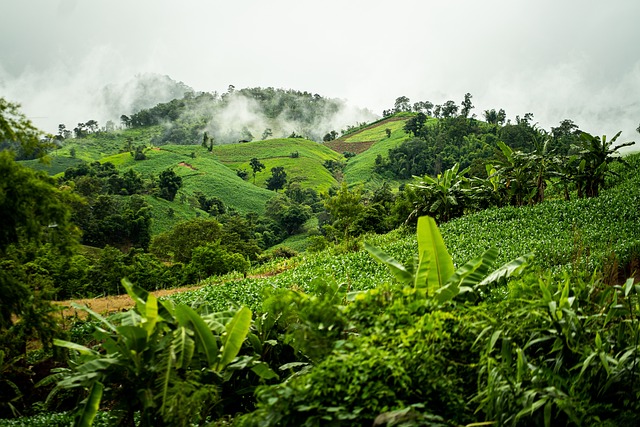
Deforested landscape showing forest loss and cleared land

Photo by hbieser on Pixabay

Global deforestation continues to escalate, with recent statistics showing alarming trends. The Amazon rainforest, a critical carbon sink, has experienced a surge in carbon emissions due to forest fires[1]. Similarly, Indonesia and the Congo Basin, other major forest hotspots, are witnessing significant losses driven by both human activities and natural fires[2]. Satellite data plays a crucial role in monitoring these changes, providing real-time insights into the extent of deforestation[3].

This week, global attention is focused on the Amazon, where deforestation rates have reached unprecedented levels[4]. The interaction between climate change and deforestation is transforming the rainforest, with severe implications for biodiversity and indigenous communities[5]. Efforts to combat illegal logging and enforce conservation laws are being bolstered by advanced satellite monitoring technologies, offering a glimmer of hope in the fight against deforestation[2].

Trees Rising: Reforestation Success Stories

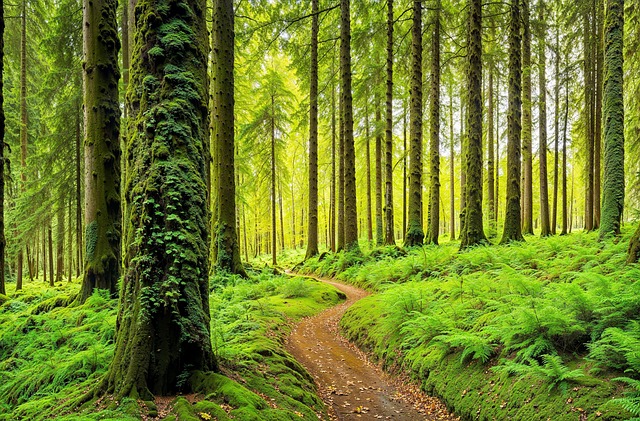
Newly planted trees in reforestation project area

Photo by wilkernet on Pixabay

Trees Rising: Reforestation Success Stories showcases the impactful strides made globally through mega-reforestation projects, community-led restoration, rewilding initiatives, and afforestation programs. In Northern Arizona, forest restoration activities have significantly fueled job creation and economic growth[5]. Similarly, the Philippines is leveraging technology and carbon finance to bolster its reforestation efforts, aiming for a climate-resilient future[3]. Manulife's Impact Forests initiative, powered by veritree's Smart Forest Technology, exemplifies global forest restoration with a focus on smart, tech-driven approaches[2].

Community-led restoration projects, such as those highlighted in besjournals, compare various reforestation methods, emphasizing the balance between carbon offsets and livelihood benefits[1]. Rewilding initiatives are also gaining traction, promoting natural ecosystem recovery and biodiversity. A recent study from The NAU Review sheds light on the critical role of reforestation in post-fire recovery, illustrating nature's resilience and the importance of proactive restoration efforts[4].

Indigenous Peoples and Trees: Guardians of the Forest

Indigenous people protecting forest land

Photo by jplenio on Pixabay

Indigenous Peoples are crucial guardians of the forest, utilizing traditional forest management practices that have sustained ecosystems for generations[1]. Their land rights and community forestry approaches result in significantly lower deforestation rates compared to non-Indigenous territories[2]. Secure land tenure for Indigenous communities is essential, as it empowers them to protect their ancestral lands and biodiversity[3]. Nations are increasingly recognizing the importance of Indigenous land rights in combating deforestation, as evidenced by recent global commitments[4]. Strengthening these rights is not only a matter of justice but also a strategic approach to preserving forests and mitigating climate change[5].

The connection between Indigenous land rights and forest conservation is clear: where Indigenous Peoples have secure land tenure, deforestation rates are markedly reduced[2]. This is attributed to their deep knowledge of local ecosystems and sustainable management practices[1]. By involving Indigenous communities in decision-making processes and respecting their traditional land management systems, we can achieve more effective and culturally sensitive conservation outcomes[3]. Furthermore, recognizing Indigenous land rights fosters a sense of stewardship and responsibility, encouraging communities to protect their lands for future generations[4].

In conclusion, supporting Indigenous land rights and traditional forest management is a vital strategy in the global fight against deforestation and climate change[5]. It is imperative that policymakers and conservation organizations work collaboratively with Indigenous communities to ensure their rights are upheld and their invaluable knowledge is integrated into forest conservation efforts[1].

Trees and Technology: Drones, AI & Innovation

Drone technology used for forest monitoring and tree planting

Photo by mxwegele on Pixabay

Technological advancements are revolutionizing forest management and conservation. Seed-firing drones are being deployed for precision reforestation, allowing targeted planting in degraded areas[5]. Satellite forest monitoring combined with AI is enhancing our ability to detect deforestation in real-time[1][4]. AI algorithms can identify the drivers of deforestation, enabling more effective interventions[1]. Remote sensing breakthroughs are improving the verification of carbon removal projects, though challenges remain[3]. These innovations offer hope for more sustainable forest management practices globally.

The integration of AI and machine learning is transforming forest carbon tracking. Advanced algorithms can analyze satellite imagery to estimate forest carbon stocks with greater accuracy[2]. Real-time deforestation anomaly detection using technologies like YOLO and LangChain agents allows for rapid response to illegal logging activities[4]. These AI-driven approaches enhance our capacity to monitor and protect forests, crucial for climate change mitigation[2][4]. The convergence of drones, satellites, and AI represents a promising frontier for forest conservation and management.

Trees, Agriculture & Land Use

Agricultural land expansion affecting forest areas

Photo by Mike_68 on Pixabay

Agriculture significantly impacts global deforestation, with cattle ranching, soy expansion, and palm oil plantations being major drivers[2]. These activities, often incentivized by economic gains, lead to the conversion of forested areas into agricultural lands[4]. The demand for beef, soy, and palm oil, particularly in international markets, exacerbates this issue, as countries with rich forest resources cater to global consumption needs[1]. Mining also contributes to tree loss, as forested areas are cleared for resource extraction, further threatening biodiversity and indigenous communities[5].

The economic motivations behind these activities are complex, involving both local and global market dynamics[5]. While agricultural expansion supports economic growth and food security in some regions, it often comes at the expense of environmental sustainability[2]. Efforts to balance agricultural needs with conservation are crucial, requiring innovative approaches and international cooperation to mitigate the impacts of these economic drivers on forest ecosystems[3].

Forest Policy & International Action

Government officials discussing forest conservation policy

Photo by josibo on Pixabay

Government forest commitments are evolving rapidly, with Brazil renewing its pledge to end illegal deforestation by 2030[3]. At COP30, nations discussed key outcomes for forests, aiming to enhance international cooperation[4]. REDD+ remains a pivotal mechanism for reducing emissions from deforestation[1]. Indonesia's wavering on its zero-deforestation pledge highlights the challenges in maintaining global forest integrity[2]. The 2030 deforestation targets are crucial, requiring robust international agreements and updated legislation to be effective[5].

International agreements play a vital role in shaping forest policy, with COP30 pledges emphasizing the need for collective action[4]. Legislation updates are essential to enforce these commitments, ensuring that countries meet their deforestation targets[5]. The success of REDD+ depends on consistent global support and effective implementation strategies[1]. As nations work towards these goals, the balance between urgency and hope remains critical in driving meaningful change[3].

Trees and Community Impact

Local community members engaged in forest restoration

Photo by mmcclain90 on Pixabay

Communities worldwide face severe impacts from deforestation, experiencing loss of livelihoods and economic stability[1]. Reforestation efforts, however, offer a beacon of hope, providing tangible benefits such as job creation and enhanced ecosystem services[2]. These initiatives not only restore vital habitats but also empower local populations through sustainable practices and increased income opportunities[3].

The social dimensions of reforestation are profound, fostering community cohesion and resilience against environmental challenges[4]. By engaging local residents in the process, projects ensure that benefits are equitably distributed, enhancing social capital and collective action[5]. This holistic approach underscores the importance of integrating community needs with environmental restoration efforts.

Trees: Challenges and Solutions

Forest fire prevention and restoration challenges

Photo by Salao on Pixabay

Trees face numerous challenges globally, from fire risks to funding gaps, illegal logging, low tree survival rates, and maintenance challenges[1]. Fires, intensified by climate change, threaten vast forested areas, while insufficient funding hampers conservation efforts[2]. Illegal logging continues to devastate forests, reducing biodiversity and carbon sequestration potential[3]. Additionally, low survival rates of newly planted trees pose a significant barrier to successful reforestation[4]. Maintenance of existing forests is often neglected, leading to further degradation[5].

Innovative solutions are emerging to tackle these challenges. Advanced monitoring technologies help combat illegal logging and forest fires[1]. Carbon finance and technology integration support reforestation efforts, ensuring long-term sustainability[2]. Community-based forest management programs in Brazil demonstrate the potential for environmental and agricultural benefits through innovative conservation approaches[3]. Research into seedling survival post-wildfire informs better reforestation practices[5]. These solutions offer hope for overcoming the barriers to effective tree conservation and reforestation globally.

Thank you for reading this week's Trees in the Balance digest. The fight to protect and restore the world's forests continues, and every tree matters in our changing climate. We'll return next week with more insights from forests around the globe.

📚 Referenced Sources

Trees Under Threat: Global Deforestation Trends

  1. Amazon Rainforest hits record carbon emissions from 2024 forest fires - Mongabay (2026-04-14)
  2. ICEYE launches deforestation monitoring solution to accelerate enforcement against illegal tropical forest loss - PR Newswire (2026-04-14)
  3. How climate change and deforestation interact in the transformation of the Amazon rainforest - Nature (2026-04-14)
  4. Malaria outbreak among Indigenous Pirahã linked to forest loss, satellite data find - Mongabay (2026-04-14)
  5. ICEYE launches deforestation monitoring solution to accelerate enforcement against illegal tropical forest loss - PR Newswire (2026-04-14)

Trees Rising: Reforestation Success Stories

  1. Comparing carbon offsets and livelihood benefits in a long-term reforestation project: Agroforestry versus native timber versus enrichment planting - besjournals (2026-04-14)
  2. Manulife Launching Impact Forests, a Global Forest Restoration Initiative, Powered by veritree's Smart Forest Technology - PR Newswire (2026-04-14)
  3. Toward a Climate-Resilient Philippines: Leveraging Technology and Carbon Finance for Reforestation - CarbonCredits.com (2026-04-14)
  4. Green is the new black: New study sheds light on reforestation and post-fire recovery - The NAU Review (2026-04-14)
  5. Study: Forest Restoration Activity Fuels Jobs and Economic Impact Across Northern Arizona - The Nature Conservancy (2026-04-14)

Indigenous Peoples and Trees: Guardians of the Forest

  1. Conservation International Welcomes New Global Funding Commitments and Announces Initiative to Advance Indigenous and Local Leadership in Climate and Biodiversity - Conservation International (2026-04-14)
  2. At Brazil's COP30, nations pledge to boost Indigenous land rights - Context News (2026-04-14)
  3. Malaria outbreak among Indigenous Pirahã linked to forest loss, satellite data find - Mongabay (2026-04-14)
  4. Strengthening Indigenous Lands Rights Key in Solving Deforestation in Amazon - ipsnews.net (2026-04-14)
  5. Widening the frame: Indigenous land rights and the future of climate policy - Big Think (2026-04-14)

Trees and Technology: Drones, AI & Innovation

  1. Satellite data and AI identify deforestation drivers - Mongabay-India (2026-04-14)
  2. Transforming forest carbon tracking with AI - Stanford Report (2026-04-14)
  3. Remote sensing to verify carbon removal projects holds promise, faces obstacles: reports - ESG Dive (2026-04-14)
  4. Real-time deforestation anomaly detection using YOLO and LangChain agents for sustainable environmental monitoring - Nature (2026-04-14)
  5. Toward a Climate-Resilient Philippines: Leveraging Technology and Carbon Finance for Reforestation - CarbonCredits.com (2026-04-14)

Trees, Agriculture & Land Use

  1. Is your beef linked to Amazon deforestation? A report highlights loopholes - Al Jazeera (2026-04-14)
  2. New Research Exposes Global Impact of Agriculture on Forest Loss and Emissions - AZoCleantech (2026-04-14)
  3. Study Finds Coffee Accounts for 1% of Agriculture-Driven Global Deforestation - Daily Coffee News by Roast Magazine (2026-04-14)
  4. Learn how the Brazilian government incentivized forest clearing in the Amazon for beef production and ranching - Britannica (2026-04-14)
  5. Drivers of Deforestation - Our World in Data (2026-04-14)

Forest Policy & International Action

  1. What is the role of deforestation in climate change and how can 'Reducing Emissions from Deforestation and Degradation' (REDD+) help? - Grantham Research Institute on climate change and the environment - The London School of Economics and Political Science (2026-04-14)
  2. Indonesia’s flip-flop on zero-deforestation pledge portends greater forest loss - Mongabay (2026-04-14)
  3. Brazil renews pledge to end illegal deforestation by 2030 - Valor International (2026-04-14)
  4. What the COP30 climate summit in the Amazon delivered for forests and Indigenous people - Reuters (2026-04-14)
  5. COP30: Key outcomes for food, forests, land and nature at the UN climate talks in Belém - Carbon Brief (2026-04-14)

Trees and Community Impact

  1. Comparing carbon offsets and livelihood benefits in a long-term reforestation project: Agroforestry versus native timber versus enrichment planting - besjournals (2026-04-14)
  2. Merging geospatial technology with community resilience - The University of Maine (2026-04-14)
  3. New Research Exposes Global Impact of Agriculture on Forest Loss and Emissions - AZoCleantech (2026-04-14)
  4. Connecting cutting-edge research with policy and practice for forests and communities - cifor-icraf (2026-04-14)
  5. Congo Basin Forests Hold Trillions in Untapped Value: New Report Calls for Strategic Global Investment - World Bank (2026-04-14)

Trees: Challenges and Solutions

  1. ICEYE launches deforestation monitoring solution to accelerate enforcement against illegal tropical forest loss - PR Newswire (2026-04-14)
  2. Toward a Climate-Resilient Philippines: Leveraging Technology and Carbon Finance for Reforestation - CarbonCredits.com (2026-04-14)
  3. Innovative forest conservation program in Brazil yeilds environmental and agricultural benefits - Michigan State University (2026-04-14)
  4. Estimating medium-term (40 years) carbon uptake in living biomass from Life Terra’s afforestation and reforestation actions: challenges and recommendations - Frontiers (2026-04-14)
  5. UNM scientists study seedling survival in post-wildfire landscape - UNM Newsroom (2026-04-14)