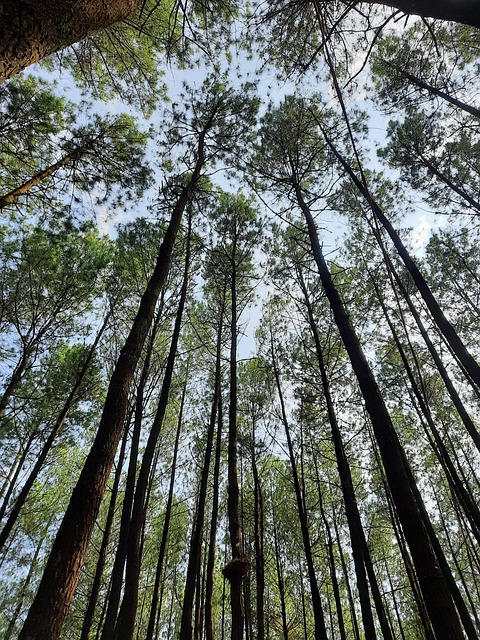

I Hug Trees

Trees in the Balance

Deforestation, Reforestation & Climate Trends – Weekly

Global forest news, restoration projects, and climate action from around the world, every week.

📅 2026-06-09 ⏱️ 11 min read 🌳 Weekly

Week of 2026-06-09

Trees in the Balance

Global forest news, restoration projects, and climate action from around the world, every week.

This Week's Highlights

Trees are our planet's lungs, absorbing carbon dioxide, cooling the environment, and mitigating climate change. This week, we face stark deforestation trends, especially in the Brazilian Amazon, alongside innovative solutions like ICEYE's monitoring technology aimed at curbing illegal forest loss. Reforestation efforts emerge as crucial climate solutions, highlighted by Suriname's pledge to protect 90% of its forests. Major themes this week include the indispensable role of Indigenous lands in forest conservation, groundbreaking carbon credit methodologies, and the urgent need for effective policies like REDD+. Despite global commitments, challenges remain in reversing deforestation by 2030. This digest delves into these critical issues, offering a beacon of hope through collective action and innovative strategies in the fight against climate change.

Understanding Deforestation & Reforestation

What is Deforestation and What Causes It?

Deforestation is the permanent removal of forests to make way for other land uses. Every year, the world loses approximately 10 million hectares of forest—an area roughly the size of Iceland. This loss happens primarily in tropical regions where forests are cleared for agriculture, particularly cattle ranching, soy cultivation, and palm oil plantations. Other major drivers include logging for timber and paper, mining operations, and infrastructure development like roads and dams.

The consequences are severe and far-reaching. Deforestation releases billions of tons of stored carbon into the atmosphere, accounting for roughly 10-15% of global greenhouse gas emissions. It destroys critical habitat for millions of species, disrupts water cycles, increases soil erosion, and threatens the livelihoods of Indigenous peoples and local communities who depend on forests for survival. The loss of forest cover also reduces the planet's capacity to absorb future carbon emissions.

What is Reforestation and How to Sustain It?

Reforestation is the process of replanting trees in areas where forests have been cut down or degraded. It represents one of humanity's most powerful tools for climate mitigation, as growing forests actively remove carbon dioxide from the atmosphere while providing ecosystem services like water filtration, soil stabilization, and biodiversity habitat. Successful reforestation requires careful species selection, often prioritizing native trees adapted to local conditions, and long-term commitment to maintenance.

Sustaining reforestation efforts demands more than just planting trees. Young forests need protection from fire, grazing animals, and illegal logging during their vulnerable early years. Community engagement is essential—projects succeed when local people benefit economically from forest restoration through sustainable harvests, ecotourism, or carbon credit programs. Monitoring survival rates, securing long-term funding, and addressing the root causes of deforestation are all critical. The most successful projects combine science-based restoration techniques with strong policy frameworks and genuine partnerships with communities who steward the land.

Trees Under Threat: Global Deforestation Trends

Deforested landscape showing forest loss and cleared land

Photo by bpn on Pixabay

Recent satellite data[1] indicate that deforestation continues unabated in critical regions like the Amazon, Indonesia, and the Congo Basin. Fire-driven loss has exacerbated the situation, with the Amazon alone experiencing significant forest cover reduction[2]. This week, global attention is on the Amazon, where deforestation rates remain alarmingly high despite international efforts to curb illegal logging and land clearing[3]. In Indonesia, the conversion of forests to palm oil plantations continues to drive habitat loss[4]. The Congo Basin, often overlooked, is also witnessing increased deforestation due to mining and agricultural expansion[5].

Efforts to monitor and combat deforestation are gaining traction with the introduction of advanced satellite technologies[2]. Organizations like ICEYE are leveraging these tools to provide real-time data, enabling more effective enforcement against illegal activities[3]. However, the pace of forest loss suggests that current measures may not be sufficient to meet the global target of zero deforestation by 2030[5]. Immediate action is required to protect these vital ecosystems and the biodiversity they support.

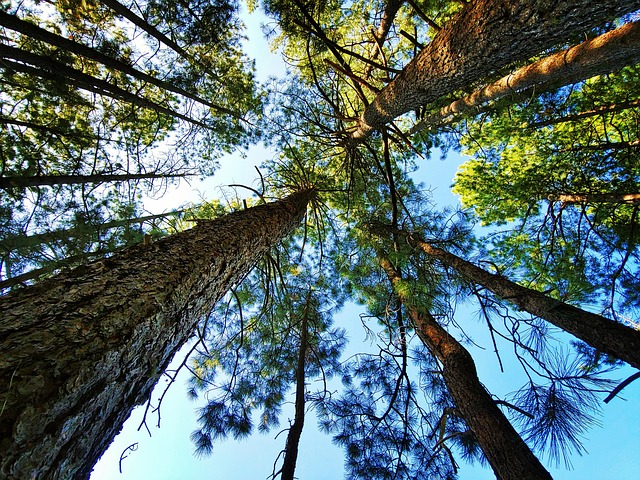
Trees Rising: Reforestation Success Stories

Newly planted trees in reforestation project area

Photo by Martin117212 on Pixabay

Mega-reforestation projects are making significant strides globally, with initiatives like Iberdrola's Atlantic Forest restoration in Brazil demonstrating impressive progress[2]. Community-led restoration efforts, such as those supported by Manulife's Impact Forests, leverage technology to enhance reforestation outcomes[3]. Rewilding initiatives and afforestation programs are crucial in restoring degraded lands, with India's government-backed afforestation efforts showing promising results[5].

Restoration wins are evident worldwide, from the US Forest Service's Four Forest Restoration Initiative[4] to various carbon offset projects that balance ecological and livelihood benefits[1]. These successes highlight the potential of collaborative efforts in combating deforestation and climate change. The integration of smart technologies and community involvement is pivotal in achieving sustainable reforestation goals.

Indigenous Peoples and Trees: Guardians of the Forest

Indigenous people protecting forest land

Photo by dmcry on Pixabay

Indigenous Peoples have long been the guardians of the forest, managing and protecting vast territories with traditional knowledge. Secure land rights for Indigenous communities lead to lower deforestation rates[1]. Studies show that Indigenous lands have significantly lower deforestation compared to non-Indigenous areas[2]. Traditional forest management practices, deeply rooted in cultural and ecological knowledge, contribute to the preservation of biodiversity and carbon storage[3].

Recognizing and respecting Indigenous land rights is crucial for effective forest conservation. Research indicates that territories with secure land tenure for Indigenous Peoples experience less deforestation and better wildlife protection[4]. Community forestry initiatives, where Indigenous communities manage forests sustainably, have proven successful in balancing ecological preservation with community needs[5]. Supporting these initiatives is vital for global forest conservation efforts.

Trees and Technology: Drones, AI & Innovation

Drone technology used for forest monitoring and tree planting

Photo by Erik_Karits on Pixabay

Technological advancements are revolutionizing the way we interact with and preserve our forests. Seed-firing drones are making precision reforestation more efficient, planting up to 100,000 trees daily[4]. Satellite forest monitoring provides real-time data on forest health and changes, enhancing global forest carbon tracking[1]. AI-driven deforestation detection systems, leveraging YOLO and LangChain agents, offer precise, real-time anomaly detection for sustainable environmental monitoring[5]. These innovations not only combat deforestation but also promote sustainable forest management practices.

Remote sensing breakthroughs are further augmenting our capabilities in forest conservation. They enable accurate verification of carbon removal projects, though challenges remain in scaling these technologies[2]. The integration of AI and drone technology in forest management showcases the potential of combining traditional ecological knowledge with cutting-edge innovation for a sustainable future[3]. This synergy between nature and technology is crucial in addressing the global deforestation crisis, offering hope for more effective conservation strategies.

Trees, Agriculture & Land Use

Agriculture significantly impacts global tree cover, with activities like cattle ranching, soy expansion, and palm oil plantations driving deforestation[3]. Economic drivers such as market demand for beef, soy, and palm oil exacerbate tree loss, particularly in tropical regions[2]. Indigenous lands, often rich in biodiversity, face pressure from agricultural expansion, highlighting the need for sustainable practices and land rights protection[1][5].

Mining activities also contribute to deforestation, as forests are cleared to access valuable minerals[2]. The interplay between economic interests and environmental conservation poses a challenge, requiring balanced approaches that consider both development and preservation[3]. Efforts to mitigate these impacts include promoting agroforestry, enforcing regulations, and supporting indigenous communities in managing their lands sustainably[5].

Forest Policy & International Action

Government officials discussing forest conservation policy

Photo by iwanjuniawan71 on Pixabay

Governments worldwide are intensifying their forest policy commitments, with Suriname pledging to protect 90% of its forests[1], surpassing the 30×30 global goal. At COP30, nations are expected to reinforce their pledges to halt deforestation by 2030[4]. Brazil has renewed its commitment to end illegal deforestation by this target year[5]. International agreements like REDD+ play a crucial role in reducing emissions from deforestation and forest degradation[3]. Updates in legislation and the introduction of new methodologies for carbon credits are pivotal in these efforts[2].

The global community is increasingly recognizing the importance of forests in climate change mitigation. International action, including financial mechanisms and technical support, is essential to achieve these ambitious targets. Collaboration between governments, NGOs, and local communities is vital for the effective implementation of forest policies. The success of these initiatives depends on robust monitoring, reporting, and verification systems to ensure transparency and accountability[3].

Trees and Community Impact

Local community members engaged in forest restoration

Photo by AndreZan on Pixabay

Local communities face significant challenges due to deforestation, impacting their livelihoods and economic stability[1]. In contrast, reforestation projects bring multiple benefits, including job creation and improved local economies[2]. For instance, Brazil's innovative forest conservation program has not only preserved vital ecosystems but also enhanced agricultural productivity, demonstrating a symbiotic relationship between environmental stewardship and economic growth[3].

Moreover, reforestation efforts often incorporate social dimensions, empowering indigenous peoples and local communities through participation in decision-making processes[5]. This inclusive approach fosters a sense of ownership and responsibility, leading to more sustainable outcomes. As global agriculture continues to drive forest loss, integrating community-based reforestation initiatives becomes crucial for mitigating climate change and supporting local economies[4].

Trees: Challenges and Solutions

Forest fire prevention and restoration challenges

Photo by Couleur on Pixabay

Trees face numerous challenges globally, including fire risks, funding gaps, illegal logging, low survival rates of seedlings, and maintenance difficulties[1][3]. Fires, exacerbated by climate change, threaten vast forested areas, while insufficient funding hampers reforestation efforts[2]. Illegal logging remains rampant despite enforcement efforts, further depleting tree populations[1][5]. Seedling survival rates post-wildfire are concerning, as many do not thrive in altered landscapes[3]. Additionally, the maintenance of newly planted trees requires consistent resources and attention, which is often lacking.

Innovative solutions are emerging to tackle these barriers. Advanced monitoring technologies are being deployed to track deforestation and illegal activities in real-time, enhancing enforcement capabilities[1]. Funding opportunities specifically aimed at forest restoration are being promoted to bridge financial gaps[2]. Research into more resilient tree species and planting techniques is improving seedling survival rates in challenging environments[3]. Community-based approaches are also gaining traction, involving local populations in tree maintenance and protection efforts, thereby ensuring sustainability and long-term success[4].

Thank you for reading this week's Trees in the Balance digest. The fight to protect and restore the world's forests continues, and every tree matters in our changing climate. We'll return next week with more insights from forests around the globe.

📚 Referenced Sources

Trees Under Threat: Global Deforestation Trends

  1. Satellite data show forest loss persists in Brazilian Amazon’s most deforested reserve - news - Mongabay (2026-06-09)
  2. ICEYE launches deforestation monitoring solution to accelerate enforcement against illegal tropical forest loss - PR Newswire (2026-06-09)
  3. ICEYE launches deforestation monitoring solution to accelerate enforcement against illegal tropical forest loss - PR Newswire (2026-06-09)
  4. Manipur’s Vanishing Forests: Satellite Data, RTIs Undercut BJP’s Poppy Narrative As Spark For Conflict, Ethnic Cleansing - Earth Journalism Network (2026-06-09)
  5. Tropical forest loss puts target of zero deforestation by 2030 further out of reach - The Invading Sea (2026-06-09)

Trees Rising: Reforestation Success Stories

  1. Comparing carbon offsets and livelihood benefits in a long-term reforestation project: Agroforestry versus native timber versus enrichment planting - besjournals (2026-06-09)
  2. Iberdrola advances Atlantic Forest restoration in Brazil through Neoenergia and Carbon2Nature - Iberdrola (2026-06-09)
  3. Manulife Launching Impact Forests, a Global Forest Restoration Initiative, Powered by veritree's Smart Forest Technology - PR Newswire (2026-06-09)
  4. Southwestern Region | Four Forest Restoration Initiative: Monitoring & Adaptive Management - US Forest Service (.gov) (2026-06-09)
  5. Afforestation, Definition, Status in India, Government Initiatives - Vajiram & Ravi (2026-06-09)

Indigenous Peoples and Trees: Guardians of the Forest

  1. Protecting Amazon’s Indigenous lands can improve human health, study finds - Clark University (2026-06-09)
  2. Indigenous Land Rights: A Pathway to Preserving Tropical Forests - Rainforest Action Network (2026-06-09)
  3. Brazilian Amazon indigenous territories under deforestation pressure - Nature (2026-06-09)
  4. Researchers find secure land rights protect the rainforest - Virginia Tech News (2026-06-09)
  5. Indigenous Lands Protect Wildlife Better Than Many Government Parks, Research Says - A-Z Animals (2026-06-09)

Trees and Technology: Drones, AI & Innovation

  1. Transforming forest carbon tracking with AI - Stanford Report (2026-06-09)
  2. Remote sensing to verify carbon removal projects holds promise, faces obstacles: reports - ESG Dive (2026-06-09)
  3. Nature and forest technology Innovations on Stage – Showcase your solution into a sustainable future! - University of Helsinki (2026-06-09)
  4. China's AI-Powered Drone Revolution: Planting 100,000 Trees a Day to Combat Deforestation - quasa.io (2026-06-09)
  5. Real-time deforestation anomaly detection using YOLO and LangChain agents for sustainable environmental monitoring - Nature (2026-06-09)

Trees, Agriculture & Land Use

  1. Protecting Amazon’s Indigenous lands can improve human health, study finds - Clark University (2026-06-09)
  2. Rainforests pushed to breaking point by new demands for resources, report says - The Guardian (2026-06-09)
  3. New Research Exposes Global Impact of Agriculture on Forest Loss and Emissions - AZoCleantech (2026-06-09)
  4. Study Finds Coffee Accounts for 1% of Agriculture-Driven Global Deforestation - Daily Coffee News by Roast Magazine (2026-06-09)
  5. Indigenous Land Rights: A Pathway to Preserving Tropical Forests - Rainforest Action Network (2026-06-09)

Forest Policy & International Action

  1. Suriname pledges to permanently protect 90% of its forests, far exceeding the 30×30 global goal for climate and biodiversity protection - Rainforest Trust (2026-06-09)
  2. Carbon Credits in the Amazon: New Methodology for Assessing Project Additionality - Climate Policy Initiative (2026-06-09)
  3. What is the role of deforestation in climate change and how can 'Reducing Emissions from Deforestation and Degradation' (REDD+) help? - Grantham Research Institute on climate change and the environment - The London School of Economics and Political Science (2026-06-09)
  4. Deforestation: why COP26 agreement will struggle to reverse global forest loss by 2030 - The Conversation (2026-06-09)
  5. Brazil renews pledge to end illegal deforestation by 2030 - Valor International (2026-06-09)

Trees and Community Impact

  1. Economics of Nature-Based Solutions for Mitigating Climate Change - The University of Chicago Press: Journals (2026-06-09)
  2. Comparing carbon offsets and livelihood benefits in a long-term reforestation project: Agroforestry versus native timber versus enrichment planting - besjournals (2026-06-09)
  3. Innovative forest conservation program in Brazil yeilds environmental and agricultural benefits - Michigan State University (2026-06-09)
  4. New Research Exposes Global Impact of Agriculture on Forest Loss and Emissions - AZoCleantech (2026-06-09)
  5. CITES, Indigenous Peoples, and Local Communities - Wildlife Trade Report from TRAFFIC - TRAFFIC.org (2026-06-09)

Trees: Challenges and Solutions

  1. ICEYE launches deforestation monitoring solution to accelerate enforcement against illegal tropical forest loss - PR Newswire (2026-06-09)
  2. FAO World Food Forum 2026 Youth Research Prize: Funding Opportunity for Forest Restoration Innovation - Global South Opportunities (2026-06-09)
  3. UNM scientists study seedling survival in post-wildfire landscape - UNM Newsroom (2026-06-09)
  4. ‘Audacious’ reforestation effort grows in Brazil - Conservation International (2026-06-09)
  5. Brazilian Lawmakers Approve Bill Limiting Enforcement Against Illegal Deforestation - 21/05/2026 - Brazil - Folha de S.Paulo (2026-06-09)