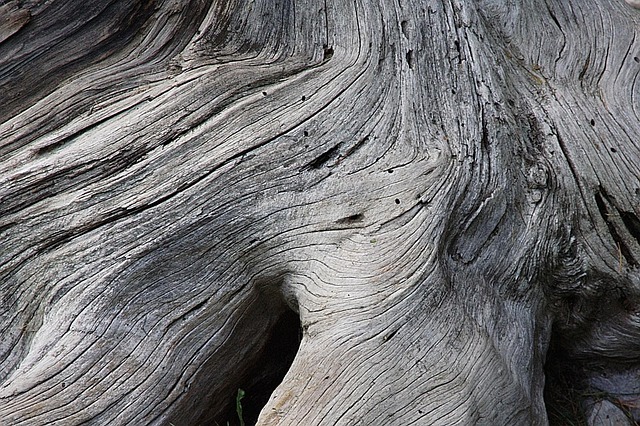
Tree species exhibit vast differences in natural lifespans, reflecting distinct biological strategies rather than arbitrary age limits[1]. Long-lived species, such as Thuja occidentalis, prioritize resource allocation towards defensive compounds and structural integrity over rapid growth[1]. This strategy is evident in the constrained growth patterns and cambial longevity observed in ancient specimens[1]. The xylem, critical for water transport and structural support, undergoes gradual senescence, yet maintains functionality for centuries[2]. Mycorrhizal associations play a pivotal role in nutrient acquisition, enhancing the tree's ability to thrive in nutrient-poor environments over extended periods[4].
The concept of age in trees does not equate to weakness; rather, it signifies adaptation to slow survival[5]. Long-lived trees exhibit remarkable resilience through efficient carbon storage mechanisms and structural adaptations[3]. These adaptations allow them to withstand environmental stresses and maintain ecological roles over millennia[5]. The biological time scales of trees, measured in decades to centuries, underscore the importance of understanding their life histories beyond immediate outcomes[1]. This perspective reveals the intricate mechanisms that enable trees to persist and thrive in diverse ecosystems across the globe[4].