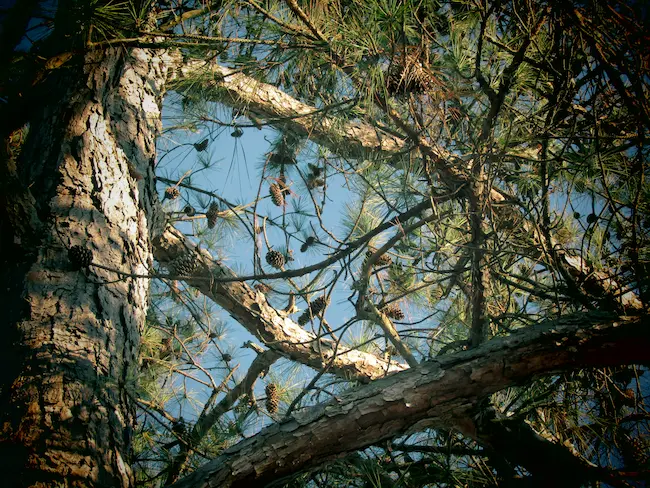

The longevity of trees is a fascinating subject rooted in their biological mechanisms and evolutionary strategies. Unlike animals, trees exhibit a remarkable ability to endure for centuries, with some species potentially achieving immortality[1]. This longevity is not merely a byproduct of age but a deliberate biological strategy. Trees such as bristlecone pines allocate minimal resources to reproduction[1], instead focusing energy on defensive compounds and structural integrity. Their slow growth rates and extensive root systems, often in symbiosis with mycorrhizae[5], enable them to withstand environmental stresses over extended periods. This adaptation is a testament to their evolutionary success in harsh environments.
The concept of age in trees does not equate to weakness; rather, it signifies resilience and adaptation. Long-lived trees are adapted for slow survival rather than rapid growth[2]. Their xylem tissues are designed to endure for centuries, providing structural support and water transport efficiency[4]. Additionally, the process of senescence in trees is markedly different from that in animals, often occurring at a much slower pace[3]. This prolonged lifespan allows trees to play crucial roles in their ecosystems, such as carbon sequestration and habitat provision, over biological time scales that span decades to centuries[4]. Understanding these mechanisms offers insights into the complex life strategies of trees and their integral role in maintaining ecological balance.