
I Hug Trees

Gentle Urban Greens

Urban trees and forestry insights from around the world, every week.

📅 2025-12-24 ⏱️ 22 min read 🌳 Weekly

Week of 2025-12-24

Gentle Urban Greens

Urban trees and forestry insights from around the world, every week.

Urban green spaces and city trees

A city image of Osaka, Japan above, one of the most liveable top 10 cities in the world. Courtesy: Pixabay

At I Hug Trees, we want to tell clear stories about our greenery and urban life: shaping how we live, how we breathe, and how we cope with rising heat.

Why Urban Trees Matter

Urban forests are not just decoration. They are critical infrastructure that cities cannot function without. Trees in cities provide real, measurable benefits. They reduce temperatures by 2 to 8 degrees Celsius through shade and evapotranspiration. They intercept stormwater runoff, preventing billions in flood damage. They capture millions of tons of carbon from the atmosphere every year. They filter out air pollutants that cause respiratory disease.

A single mature tree can provide over $150 in annual benefits, from energy savings through building shade to mental health improvements for residents.

Cities with 30 to 40 percent canopy cover experience much lower heat related mortality, reduced urban heat island effects, and higher property values. Beyond money, urban forests support biodiversity in otherwise harsh environments. They provide crucial habitat corridors and offer fair access to nature for communities that have been denied green space.

The Challenges Ahead

Yet urban trees face serious challenges that threaten all these benefits. Climate change is pushing tree species beyond what they can tolerate while bringing more pests and diseases. Cities struggle with maintenance backlogs, not enough funding, and shortages of trained workers. Meanwhile, development pressures keep removing trees.

The gap between wealthy neighborhoods with many trees and underserved areas keeps growing wider, creating environmental injustice.

Without coordinated action (better policies, creative financing, community engagement, and science based management), cities risk losing the infrastructure that makes urban life livable. This weekly digest tracks the innovations, setbacks, and solutions coming from urban forestry practitioners worldwide. The future of livable cities depends on getting this right.

This Week's Highlights

Welcome to this week's Urban Forestry Digest, where we spotlight the latest advancements and challenges in urban green spaces. This week, we delve into the critical theme of species-climate adaptation with a Michigan State University researcher securing a substantial grant to explore tree species resilience to future climates. Additionally, Purdue University's innovative AI-driven urban tree monitoring initiative underscores the growing role of technology in enhancing urban ecosystems. Workforce development remains a pivotal focus, highlighted by grants supporting arborist apprenticeships and urban forestry management programs across various states. Despite federal funding retractions posing challenges, communities are finding innovative ways to sustain their urban tree-planting initiatives, demonstrating resilience and adaptability in the face of resource constraints.

Root Systems & Soil Science

Soil compaction poses a significant challenge to urban soil health, directly impacting root architecture and the overall performance of trees in metropolitan environments[1]. Compacted soils restrict root growth, reducing the uptake of water and nutrients essential for tree vitality[2]. Moreover, the intricate networks of mycorrhizae, symbiotic fungi that enhance nutrient absorption, are disrupted in compacted soils, further compromising tree health[4]. Research indicates that alleviating soil compaction through aeration and the introduction of organic matter can restore these vital underground dynamics, promoting robust root systems and improving tree resilience in urban landscapes[5].

Advanced technologies like Ground Penetrating Radar (GPR) combined with machine learning are revolutionizing our understanding of root systems and soil science[3]. These innovations enable precise mapping of root architecture, offering insights into how roots interact with soil structures and microbial communities[4]. Such detailed mapping facilitates targeted interventions to enhance urban soil health, ensuring that trees have the optimal conditions for growth and longevity[1]. By leveraging these technologies, urban planners and arborists can make informed decisions to support sustainable tree management and improve the urban canopy[2].
Technology & Remote Sensing

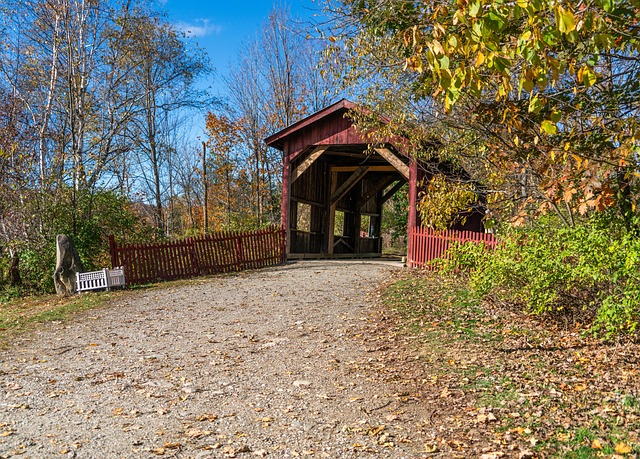
Technology and Remote Sensing

Photo by Michelle_Pitzel on Pixabay

Remote sensing technology has revolutionized urban tree management through various applications. Geographic Information Systems (GIS) enable detailed mapping and analysis of urban forests, providing city planners with critical data to protect and expand these vital ecosystems[3]. LiDAR mapping offers high-resolution, three-dimensional data of tree canopies, enhancing the accuracy of urban forest inventories[2]. Satellite monitoring allows for large-scale observation of tree health and canopy cover, facilitating national-scale datasets for urban tree canopies[5]. Artificial Intelligence (AI) is increasingly used to detect tree health issues, automating the identification of stressed or diseased trees through advanced image analysis[1][4]. Digital inventory tools integrate these technologies, offering comprehensive platforms for urban forest management.

The integration of these technologies enhances urban forest management in several ways. GIS applications allow for precise spatial analysis, enabling targeted interventions to improve tree health and canopy cover[3]. LiDAR mapping provides detailed structural data, aiding in the assessment of tree biomass and carbon sequestration potential[2]. Satellite monitoring offers continuous, large-scale observation, crucial for tracking changes in urban forest health over time[5]. AI-driven tree health detection streamlines the process of identifying at-risk trees, allowing for timely maintenance and preservation efforts[1][4]. Together, these tools create a robust framework for sustainable urban forest management.

Species Selection & Climate Adaptation

Species selection and climate adaptation are critical in ensuring the resilience of urban forests in the face of changing climate conditions. Researchers at Michigan State University have received significant funding to study tree species that are best suited to future Michigan climates[1][2]. This research focuses on identifying species that exhibit drought and heat tolerance, which are essential traits for withstanding the increased temperatures and reduced water availability predicted by climate models. Additionally, cities like Portland, Oregon, are updating their approved street tree planting lists to include more climate-adapted species[4]. These efforts aim to future-proof urban forests, ensuring they continue to provide ecological and social benefits in a changing climate.

Assisted migration is another strategy being considered to help tree species adapt to changing climates. This involves relocating species to areas where they are projected to thrive under future climate conditions[5]. For instance, detailed analyses in Las Vegas have highlighted the benefits and trade-offs of urban street trees, emphasizing the need for species that can withstand extreme heat and drought[3]. By carefully selecting and relocating climate-adapted species, urban planners can enhance the resilience of city forests, providing cooler environments and improved air quality for urban residents.

Ecosystem Services & Valuation

Ecosystem Services and Valuation

Photo by Michelle_Pitzel on Pixabay

Ecosystem services provided by urban forests are increasingly recognized for their role in carbon sequestration, cooling benefits, and stormwater management[1]. Recent studies have shown that urban trees in Los Angeles capture more CO2 than previously estimated[5], highlighting the critical role of urban forestry in mitigating climate change. Additionally, the cooling benefits of urban trees help reduce the urban heat island effect, making cities more livable[2]. Effective stormwater management by urban forests also reduces flooding risks and improves water quality[3]. These services underline the need for comprehensive urban planning that integrates green spaces.

Economic valuation methodologies are essential for quantifying the benefits of ecosystem services provided by urban forests[4]. Techniques such as cost-benefit analysis, hedonic pricing, and contingent valuation help to monetize these services, making it easier for policymakers to invest in urban green infrastructure[2]. For instance, the value of carbon sequestration can be calculated based on carbon credit markets, while cooling benefits can be assessed through reduced energy costs for air conditioning[5]. Accurate valuation enables better decision-making and highlights the long-term economic benefits of maintaining and expanding urban forests.

Biosecurity & Invasive Pest Threats

Invasive tree pests pose a significant threat to native ecosystems and agricultural productivity[1]. These non-native species can rapidly spread, causing extensive damage to trees and crops[2]. Disease outbreaks associated with invasive pests further exacerbate the problem, leading to substantial economic losses and environmental degradation[3]. Effective biosecurity measures are crucial to prevent the introduction and spread of these pests[4]. This includes the implementation of strict quarantine measures, early detection systems, and the use of advanced surveillance technologies[5]. By identifying and responding to invasive pest threats promptly, we can mitigate their impact and protect our natural resources.

Surveillance technologies play a vital role in monitoring and detecting invasive tree pests[1]. These technologies, such as remote sensing and DNA barcoding, enable early identification of pest infestations[2]. Early detection systems are essential for implementing timely and effective control measures[3]. Quarantine measures, including restrictions on the movement of potentially infested materials, help prevent the spread of invasive pests to new areas[4]. Collaborative efforts between researchers, government agencies, and the public are necessary to enhance biosecurity and safeguard our ecosystems from the threats posed by invasive pests[5].

Urban Wood Circular Economy

Urban Wood Circular Economy

Photo by Tho-Ge on Pixabay

The urban wood circular economy is gaining traction as cities seek innovative ways to manage wood waste. Urban lumber milling has emerged as a key strategy, transforming wood waste into valuable lumber for construction and furniture. This not only reduces landfill waste but also creates local economic opportunities[1]. Cities like Ann Arbor, Michigan, have pioneered municipal wood recycling models, showcasing the potential of circular economies in urban settings[1]. Additionally, biochar production from wood waste offers a sustainable solution for carbon sequestration and soil enhancement[4]. This process not only diverts wood waste from landfills but also generates a valuable byproduct that can be used in agriculture and horticulture.

Landfill diversion is a critical focus area within the urban wood circular economy. By converting wood waste into usable products, cities can significantly reduce their environmental footprint[2]. Economic opportunities arise as local businesses engage in the collection, processing, and sale of recycled wood products[3]. Furthermore, urban forestry initiatives, such as those in Philadelphia, demonstrate the potential for funding and community engagement in sustainable wood management[3]. The integration of research and practical applications, as seen in projects like the Rutgers Dawn Redwoods, highlights the multifaceted benefits of the urban wood circular economy[5].

Risk Management & Legal Liability

Risk Management and Legal Liability

Placeholder image

Effective risk management in arboriculture is critical for mitigating potential hazards and legal liabilities associated with tree maintenance and removal. Advanced tree risk assessment technologies, such as drone inspections and structural analysis software, enable professionals to identify and evaluate tree risks more accurately[1]. These technologies help in making informed decisions regarding tree care and removal, thereby reducing the likelihood of accidents and subsequent litigation. Legal liability in tree management often arises from negligence or failure to adhere to professional standards, which can result in significant financial and reputational damage[2]. Therefore, adherence to industry standards and guidelines is imperative.

Insurance requirements for tree care professionals have become more stringent, reflecting the increased risks involved in the industry[3]. Comprehensive insurance coverage not only protects businesses from financial losses due to accidents but also ensures that clients are safeguarded. Professional standards, such as those set by the International Society of Arboriculture (ISA), provide a framework for best practices in tree care[4]. By obtaining credentials like the ISA Certified Urban Forestry Professional, arborists demonstrate their commitment to maintaining high standards of practice, which is essential for minimizing legal liabilities and ensuring public safety[5].

Maintenance Crisis

Maintenance Crisis

Photo by Tho-Ge on Pixabay

The maintenance crisis in urban forestry is increasingly apparent, characterized by a growing backlog of pruning tasks, challenges in consistent watering, and severe budget constraints. These issues are exacerbated by the retraction of federal funding, which has left many cities struggling to maintain their urban forests[1]. The consequences of this neglect are dire, with increased tree mortality rates becoming a pressing concern. Cities like Seattle and Portland are actively seeking innovative maintenance solutions to combat these challenges, aiming to preserve their urban canopies despite the financial and logistical hurdles[2][3]. The situation is further complicated by aging infrastructure and missing data, which hinder effective management and repair efforts[4].

In response to these crises, some city councils are proposing radical changes, such as stripping down urban forestry teams to redirect savings towards park maintenance[5]. This approach, while controversial, highlights the urgent need for creative solutions to address the maintenance backlog. Innovative techniques, such as drone-assisted pruning and smart irrigation systems, are being explored to enhance efficiency and reduce costs. However, the success of these initiatives depends on securing adequate funding and overcoming the logistical challenges posed by outdated infrastructure and insufficient data.

Staffing & Workforce Development

Staffing and Workforce Development

Photo by TF3000 on Pixabay

Urban forestry faces significant staffing challenges, notably shortages of urban foresters and certified arborists[1]. Addressing these gaps requires targeted workforce development initiatives. Grants and funding, such as those awarded to West Liberty University and the Indiana Arborist Association, support arborist apprenticeship and training programs[2]. These programs aim to enhance skills and certification rates among practitioners. Certification trends indicate a growing emphasis on professional standards and expertise in arboriculture. Volunteer steward programs also play a crucial role by engaging community members in urban forestry efforts, providing additional support and fostering public awareness and involvement[3].

The development of urban forestry workforces is further bolstered by university-led initiatives. For instance, the University of Nevada, Las Vegas (UNLV) has implemented programs that not only train students but also actively contribute to community greening efforts[3]. Similarly, Kentucky State University's recent award of $1.2 million underscores the importance of institutional support in urban forestry[5]. These efforts collectively aim to mitigate urban forester shortages and enhance the overall quality and sustainability of urban green spaces.

Funding & Resource Allocation

Funding and Resource Allocation

Placeholder image

In recent years, funding and resource allocation for urban tree-planting and green infrastructure programs have faced significant challenges due to budget cuts and changing federal priorities[1][2]. Municipalities and organizations are increasingly turning to creative financing methods to secure the necessary funds. Bonds and carbon credits have emerged as viable options, allowing cities to invest in long-term projects while mitigating financial risks[3]. Additionally, public-private partnerships have become crucial, leveraging private sector investments to complement public funding and enhance project scope and impact.

Grant programs remain a vital source of funding for green infrastructure initiatives. For instance, the Illinois EPA has made funds available specifically for such projects, encouraging applications from eligible entities[4]. Similarly, the Ohio Department of Natural Resources has awarded substantial urban forestry grants, underscoring the importance of state-level support[5]. These grant opportunities not only provide essential financial resources but also promote innovation and collaboration in the development of sustainable urban environments.

Urban Development Pressure

Urban development pressure often leads to the removal of trees to make way for housing and commercial projects[2]. This practice raises significant concerns about the loss of urban tree canopy, which provides essential environmental and social benefits[3]. Policy conflicts arise as cities strive to balance the demand for housing with the need to preserve green spaces[4]. Tree protection ordinances are implemented to mitigate these conflicts, aiming to regulate tree removal and promote sustainable urban growth[5]. However, the enforcement of these ordinances varies, leading to inconsistent outcomes in tree preservation efforts[1].

The shrinking urban tree canopy in regions like the Chesapeake Bay area highlights the urgent need for effective tree protection policies[2]. Developers often face pressure to maximize land use, resulting in the removal of trees despite public outcry and environmental concerns[4]. Cities must enforce tree protection ordinances more rigorously to ensure compliance and protect urban green spaces[5]. Additionally, public awareness and community involvement are crucial in advocating for stronger tree preservation measures and holding developers accountable for their actions[3].

Climate Resilience & Extreme Events

Climate Resilience and Extreme Events

Photo by Michelle_Pitzel on Pixabay

Climate resilience is increasingly critical as extreme events such as droughts, heat waves, and storms become more frequent and severe. Drought impacts, particularly in urban areas, can exacerbate the urban heat island effect, leading to higher temperatures and increased strain on water resources[1]. Heat wave responses are essential, and urban forests play a significant role in mitigating these effects. Studies indicate that trees provide essential shade and cooling, reducing ambient temperatures and improving air quality[2]. However, these benefits are contingent on the trees' health and the availability of adequate water and space[5].

Storm damage poses another significant challenge, necessitating robust emergency response plans and climate-proofing strategies. Research into urban forests across the United States highlights the need for drought-resilient tree species to enhance urban ecosystems' resilience[3]. Collaborative efforts, such as those formed by major Illinois research institutions, aim to improve urban forest drought resilience, ensuring that cities can better withstand and recover from extreme events[4]. Implementing these strategies is vital for safeguarding communities and infrastructure against the growing threats posed by climate change.

Social Equity & Environmental Justice

Social Equity and Environmental Justice

Placeholder image

Social equity and environmental justice are increasingly pivotal in urban planning, particularly in tree equity initiatives. These programs aim to ensure that all communities, regardless of socioeconomic status, have equal access to the benefits of urban forestry[1]. However, the implementation of greening projects can sometimes lead to gentrification, displacing long-term residents and altering the social fabric of neighborhoods[2]. To mitigate this, community engagement and representation are crucial. Involving local residents in the decision-making process ensures that green spaces meet the needs and desires of the community, fostering a sense of ownership and preventing displacement[1]. Federal funding cuts, as seen in Colorado, can hinder these efforts, making it challenging for environmental justice groups to sustain their projects[3].

Effective tree equity initiatives require a balanced approach that considers both environmental and social impacts. Tools like online planning aids can help local governments increase tree coverage while addressing equity concerns[5]. It is essential to monitor the effects of greening projects to ensure they do not contribute to gentrification. Policy solutions must be inclusive, providing support to marginalized communities and ensuring that the benefits of green spaces are widely distributed[2]. By prioritizing community input and representation, cities can create more equitable and sustainable urban environments[1].

Policy & Planning Updates

Policy and Planning Updates

Placeholder image

The City of Irvine has recently reviewed its Urban Forest Master Plan, aiming to enhance urban greenery and improve environmental quality[1]. Similarly, Louisville is progressing with its Urban Forest Master Plan, focusing on increasing tree canopy cover and improving urban biodiversity[2]. In Cambridge, a 5-year update on the Urban Forest Master Plan was presented at a public meeting, highlighting achievements and future goals for urban forestry[3]. The City of Asheville has launched an engagement survey to gather community input for its Urban Forest Master Plan, emphasizing the importance of public participation in urban planning[4].

Municipal canopy cover targets are being set and revised in various cities. For instance, Melbourne has faced challenges in meeting its canopy targets due to fast-track housing plans, deeming the previous targets unrealistic[5]. These updates and plans reflect a growing commitment to urban forestry, aiming to balance development with environmental sustainability and community well-being.

Case Study Spotlight

Case Study Spotlight

Placeholder image

Portland, Oregon, has emerged as a beacon of urban forestry success, showcasing innovative approaches and community-driven initiatives. In collaboration with Friends of Trees, Portland Parks & Recreation has significantly expanded community tree planting efforts[4]. This partnership not only enhances the city's green canopy but also engages residents in environmental stewardship. Similarly, Rutgers University's integration of Dawn Redwoods into their boardwalk revitalization project demonstrates the potential of research-driven urban greening[2]. These initiatives highlight replicable strategies that other cities can adopt to foster urban resilience and community engagement.

The USDA's urban forestry approach emphasizes greening without displacement, ensuring that urban development benefits both the environment and communities[3]. This strategy is crucial in maintaining social equity alongside ecological goals. Another notable example is Deer Valley East Village's Fuels Reduction Program, which has achieved significant success in forest management, reducing wildfire risks and promoting sustainable land use[5]. These case studies underscore the importance of tailored, community-focused urban forestry practices that can be replicated in diverse urban settings.

Thank you for reading this week's Gentle Urban Greens digest. We'll return next week with more insights from the world of urban forestry.

📚 Referenced Sources

Root Systems & Soil Science

  1. Richmond researchers impact a neighborhood one tree at a time - UR Now (2025-12-24)
  2. Early warning system could prevent a stink when it comes to street tree roots blocking sewer pipes - UniSA - University of South Australia (2025-12-24)
  3. Mapping Tree Roots Using GPR and Machine Learning - Toronto Metropolitan University (TMU) (2025-12-24)
  4. A framework for soil microbial ecology in urban ecosystems - Nugent - 2022 - Ecosphere - ESA Journals (2025-12-24)
  5. Holden scientists hope a pinch of forest dirt can help Cleveland trees thrive - Cleveland.com (2025-12-24)

Technology & Remote Sensing

  1. Purdue AI urban tree monitoring and analysis initiative to improve city life - Purdue University - College of Agriculture (2025-12-24)
  2. PhD Defence Yi Xu | Advancing urban tree mapping with airborne data and deep learning - University of Twente (2025-12-24)
  3. Geospatial Technology Helps City Planners Protect and Expand Urban Forests - Geo Week News (2025-12-24)
  4. Twin Cities suburbs turn to technology to identify troubled trees - Star Tribune (2025-12-24)
  5. An enhanced national-scale urban tree canopy cover dataset for the United States | Scientific Data - Nature (2025-12-24)

Species Selection & Climate Adaptation

  1. MSU researcher receives $500K grant to study tree species suited to future Michigan climates - Michigan State University (2025-12-24)
  2. MSU researcher to study which tree species will best fit Michigan's future climate - WXYZ Channel 7 (2025-12-24)
  3. Detailed analysis of the benefits and trade-offs of urban street trees in Las Vegas - Phys.org (2025-12-24)
  4. Updates to the Approved Street Tree Planting Lists - City of Portland, Oregon (.gov) (2025-12-24)
  5. Can Amazon and Andean trees move to survive climate change? - Wake Forest University (2025-12-24)

Ecosystem Services & Valuation

  1. ‘L.A. trees are kicking ass.’ Urban plants capture more CO2 than expected, study finds - Los Angeles Times (2025-12-24)
  2. Ecosystem benefits of urban woody plants for sustainable green space planning: a case study from Wroclaw - Nature (2025-12-24)
  3. URBAN FOREST INVENTORY USING ARTIFICIAL INTELLIGENCE - Purdue University - College of Agriculture (2025-12-24)
  4. An enhanced national-scale urban tree canopy cover dataset for the United States | Scientific Data - Nature (2025-12-24)
  5. L.A.’s urban trees absorb more carbon than expected, USC Dornsife study finds - USC Dornsife (2025-12-24)

Biosecurity & Invasive Pest Threats

  1. Farmland trees and integrated pest management: A review of current knowledge and developing strategies for sustainable systems - besjournals (2025-12-24)
  2. Updated pesticide management guide for Michigan Christmas tree growers - Michigan State University (2025-12-24)
  3. Fungi from Minnesota can kill emerald ash borer beetles - University of Minnesota Twin Cities (2025-12-24)
  4. Nature vs. pests: Hawaiʻi’s biocontrol attack against invasives yields benefits - University of Hawaii System (2025-12-24)
  5. U of M scientists find fungi can fight emerald ash borers - MPR News (2025-12-24)

Urban Wood Circular Economy

  1. The City of Ann Arbor, Michigan and Urban Ashes® launch the first Circular UrbanWood Triconomy™, a Municipal Wood Recycling Model - PR Newswire (2025-12-24)
  2. Turning Urban Wood Waste into Local, Sustainable Opportunities - Environmental and Energy Study Institute (EESI) (2025-12-24)
  3. A new way to fund urban forestry takes root in Philadelphia - Smart Cities Dive (2025-12-24)
  4. Evaluating biochar extraction from waste tree stumps in different pyrolysis systems using life cycle analysis - Nature (2025-12-24)
  5. From Research to Recreation: Rutgers Dawn Redwoods Revitalize Boardwalk at Rutgers Gardens - Rutgers University (2025-12-24)

Risk Management & Legal Liability

  1. Tips to Manage Storm-Damaged Trees, Purdue Landscape Report - Purdue University (2025-12-24)
  2. What is OB Ficus Tree Condition, Context, and Failure Assessment Study? - OB Rag (2025-12-24)
  3. Agent’s Plea That Landscaping Includes Tree Removal Fails - Insurance Journal (2025-12-24)
  4. SB Tree Service Owner Chris Forrest Earns ISA Certified Urban Forestry Professional Credential - Newswire.com (2025-12-24)
  5. Tree Health Assessment and Risk Management - Mississippi State Extension Service (2025-12-24)

Maintenance Crisis

  1. Urban tree-planting programs adapt to federal funding retraction - Smart Cities Dive (2025-12-24)
  2. New street tree planning study offers insights into a greener Seattle future - SDOT Blog (.gov) (2025-12-24)
  3. City Council Adopts Portland’s Updated Urban Forest Plan - City of Portland, Oregon (.gov) (2025-12-24)
  4. Aging infrastructure, missing data, and backlog of repairs plague PG&E - KTVU (2025-12-24)
  5. City Councilor Proposes Stripping Urban Forestry’s Tree Regulation Team, Directing Savings Toward Parks - Willamette Week (2025-12-24)

Staffing & Workforce Development

  1. Grant Awarded to WLU and WVU Extension Service to Support Urban Forestry Management in Wheeling - West Liberty University (2025-12-24)
  2. Indiana Arborist Association receives $250,000 Grant for Arborist Apprenticeship and Workforce Development Program - Purdue University Northwest (2025-12-24)
  3. ‘So excited’: UNLV program plants 18 trees in North Las Vegas neighborhood - Las Vegas Review-Journal (2025-12-24)
  4. One tree matters: reflections on data as a design material in urban forestry - Frontiers (2025-12-24)
  5. Kentucky State University awarded $1.2 M to support urban forestry - Lane Report (2025-12-24)

Funding & Resource Allocation

  1. Urban tree-planting programs adapt to federal funding retraction - Smart Cities Dive (2025-12-24)
  2. Allegheny County loses millions in green infrastructure grants as feds cut funding, ease regulations - Pittsburgh's Public Source (2025-12-24)
  3. Elon co-sponsors tree-planting efforts in Florence - Elon University (2025-12-24)
  4. Funding for Green Infrastructure Projects Now Available from the Illinois EPA - RiverBender.com (2025-12-24)
  5. ODNR Division of Forestry Awards $2M in Urban Forestry Grants - Ohio Department of Natural Resources (.gov) (2025-12-24)

Urban Development Pressure

  1. Indiana Arborist Association receives $250,000 Grant for Arborist Apprenticeship and Workforce Development Program - Purdue University Northwest (2025-12-24)
  2. Forests, urban tree canopy still shrinking in Chesapeake Bay region - Bay Journal (2025-12-24)
  3. Box Tree Care Emphasizes Importance of Professional Tree Pruning Services for Property Safety - The Providence Journal (2025-12-24)
  4. Amid Baptist tree removal outcry, developer says it's keeping as many as it can - Pensacola News Journal (2025-12-24)
  5. Trees cut down at Ventura project riles residents, risks city pact - Ventura County Star (2025-12-24)

Climate Resilience & Extreme Events

  1. MSU researcher receives $500K grant to study tree species suited to future Michigan climates - Michigan State University (2025-12-24)
  2. More Than Just Shade: Understanding Tree Canopy and the Urban Heat Island Effect - The University of Rhode Island (2025-12-24)
  3. Study Examines Urban Forests Across the United States - Dartmouth (2025-12-24)
  4. Four major Illinois research institutions form a collaboration to improve urban forest drought resilience - anl.gov (2025-12-24)
  5. Urban heat relief: Trees need water and space to maximize cooling, study finds - Phys.org (2025-12-24)

Social Equity & Environmental Justice

  1. Greening Without Displacement: The USDA’s Urban Forestry Approach | Article - Environmental and Energy Study Institute (EESI) (2025-12-24)
  2. Green Gentrification and Policy Solutions: Making Sustainability A Sustainable Practice for All - The City University of New York (2025-12-24)
  3. Colorado environmental justice groups are struggling to keep their projects alive after federal funding cuts - Colorado Public Radio (2025-12-24)
  4. Climate change is making cities hotter. Here’s how planting trees can help - The Conversation (2025-12-24)
  5. A new online tool could aid in local planning to increase tree coverage - Everett Herald (2025-12-24)

Policy & Planning Updates

  1. Review the Urban Forest Master Plan - City of Irvine (2025-12-24)
  2. Louisville Urban Forest Master Plan - LouisvilleKY.gov (2025-12-24)
  3. Cambridge Urban Forest Master Plan 5-Year Update Public Meeting on November 20 - City of Cambridge MA (.gov) (2025-12-24)
  4. City of Asheville launches engagement survey for Urban Forest Master Plan - The City of Asheville (.gov) (2025-12-24)
  5. Tree canopy target ‘unrealistic’ under new fast-track housing plans - The Age (2025-12-24)

Case Study Spotlight

  1. MUFL Students Explore Innovative Approaches to Urban Forestry in Global Green Cities - The University of British Columbia (2025-12-24)
  2. From Research to Recreation: Rutgers Dawn Redwoods Revitalize Boardwalk at Rutgers Gardens - Rutgers University (2025-12-24)
  3. Greening Without Displacement: The USDA’s Urban Forestry Approach | Article - Environmental and Energy Study Institute (EESI) (2025-12-24)
  4. Portland Parks & Recreation Urban Forestry Partners with Friends of Trees to Expand Community Tree Planting - City of Portland, Oregon (.gov) (2025-12-24)
  5. Deer Valley East Village Fuels Reduction Program marks transformative success in forest management - TownLift Park City (2025-12-24)