I Hug Trees

Gentle Urban Green Trees

Urban trees and forestry insights from around the world, every week.

📅 2025-12-25 ⏱️ 22 min read 🌳 Weekly

Week of 2025-12-25

Gentle Urban Green Trees

Urban trees and forestry insights from around the world, every week.

Urban green spaces and city trees

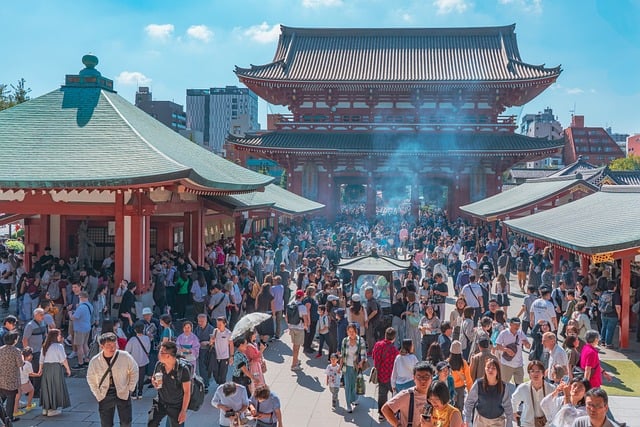
A city image of Osaka, Japan above, one of the most liveable top 10 cities in the world. Courtesy: Pixabay

At I Hug Trees, we want to tell clear stories about our greenery and urban life: shaping how we live, how we breathe, and how we cope with rising heat.

Why Urban Trees Matter

Urban forests are not just decoration. They are critical infrastructure that cities cannot function without. Trees in cities provide real, measurable benefits. They reduce temperatures by 2 to 8 degrees Celsius through shade and evapotranspiration. They intercept stormwater runoff, preventing billions in flood damage. They capture millions of tons of carbon from the atmosphere every year. They filter out air pollutants that cause respiratory disease.

A single mature tree can provide over $150 in annual benefits, from energy savings through building shade to mental health improvements for residents.

Cities with 30 to 40 percent canopy cover experience much lower heat related mortality, reduced urban heat island effects, and higher property values. Beyond money, urban forests support biodiversity in otherwise harsh environments. They provide crucial habitat corridors and offer fair access to nature for communities that have been denied green space.

The Challenges Ahead

Yet urban trees face serious challenges that threaten all these benefits. Climate change is pushing tree species beyond what they can tolerate while bringing more pests and diseases. Cities struggle with maintenance backlogs, not enough funding, and shortages of trained workers. Meanwhile, development pressures keep removing trees.

The gap between wealthy neighborhoods with many trees and underserved areas keeps growing wider, creating environmental injustice.

Without coordinated action (better policies, creative financing, community engagement, and science based management), cities risk losing the infrastructure that makes urban life livable. This weekly digest tracks the innovations, setbacks, and solutions coming from urban forestry practitioners worldwide. The future of livable cities depends on getting this right.

This Week's Highlights

Welcome to this week's Urban Forestry Digest, where we delve into the evolving landscape of urban green spaces. This edition spotlights significant strides in species-climate adaptation, with a Michigan State University researcher securing a substantial grant to explore tree species that will thrive in Michigan's changing climate. Technological advancements take center stage as Purdue University pioneers an AI-driven initiative for urban tree monitoring, promising enhanced city life through innovative remote sensing techniques. Workforce development emerges as a critical theme, with West Liberty University and the Indiana Arborist Association receiving grants to bolster urban forestry staffing and training programs. Amidst these positive developments, the digest also navigates the challenges posed by federal funding retractions, examining how urban tree-planting programs and green infrastructure initiatives are adapting to these shifts. Join us as we explore these themes and more, offering insights into the dynamic world of urban forestry.

Root Systems & Soil Science

Soil compaction poses a significant challenge to urban soil health, affecting root architecture and overall tree performance[1]. Compacted soils restrict root growth, leading to shallower root systems that are more susceptible to environmental stresses[2]. Additionally, the disruption of mycorrhizae networks—symbiotic associations between tree roots and fungi—further compromises nutrient and water uptake[4]. These underground dynamics are critical for tree resilience in urban environments. Research indicates that maintaining healthy soil structure through aeration and organic matter incorporation can mitigate compaction effects, promoting robust root systems and enhancing tree vitality[3].

Recent studies have revealed that plants develop a hidden secondary root system, which plays a crucial role in carbon sequestration and climate change mitigation[5]. This secondary root system operates beneath the primary root structure, interacting more extensively with soil microbes and organic matter. In urban settings, understanding and supporting this dual root system can significantly improve tree performance and soil health. Techniques such as ground-penetrating radar (GPR) and machine learning are being employed to map these complex root architectures, offering new insights into optimizing urban forestry practices[3].

Technology & Remote Sensing

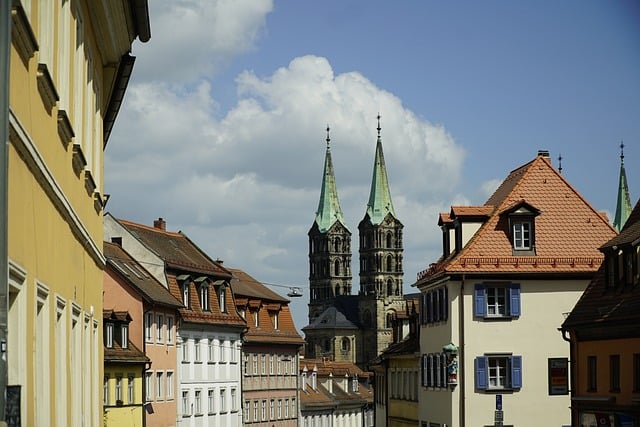
Technology and Remote Sensing

Photo by jhenning on Pixabay

Technology has revolutionized the way we monitor and manage urban forests through remote sensing techniques. Geospatial Information System (GIS) applications allow city planners to analyze and visualize data related to tree locations, species, and health[2]. LiDAR mapping provides high-resolution 3D models of tree canopies, enabling detailed analysis of urban forest structure and biomass[3]. Satellite monitoring offers large-scale, continuous observation of urban forests, detecting changes in canopy cover and tree health over time[2]. Artificial Intelligence (AI) is increasingly used to analyze satellite imagery and LiDAR data for tree health detection, identifying stressed or diseased trees with high accuracy[1][4]. Digital inventory tools facilitate the collection and management of urban forest data, supporting evidence-based decision-making for urban forest management[5].

The integration of these technologies enhances the efficiency and effectiveness of urban forest management. GIS applications enable targeted interventions and resource allocation[2]. LiDAR mapping supports detailed canopy analysis and biomass estimation, informing carbon sequestration studies and ecosystem service assessments[3]. Satellite monitoring provides timely updates on urban forest conditions, facilitating proactive management strategies[2]. AI-driven tree health detection streamlines the identification of at-risk trees, reducing maintenance costs and improving public safety[1][4]. Digital inventory tools ensure accurate and up-to-date urban forest data, supporting long-term planning and policy development[5]. Together, these technologies empower cities to protect and expand their urban forests, contributing to improved urban livability and resilience.

Species Selection & Climate Adaptation

Species selection and climate adaptation are critical in ensuring the resilience of urban forests in the face of changing climate conditions. Researchers at Michigan State University have received significant funding to study tree species that are best suited to future Michigan climates[1][2]. This research focuses on identifying species that exhibit drought and heat tolerance, which are essential traits for withstanding the increasing temperatures and changing precipitation patterns predicted for the region[3]. Additionally, the City of Portland has updated its Approved Street Tree Planting Lists to include more climate-adapted species, emphasizing the importance of selecting trees that can thrive under future climatic conditions[4].

Assisted migration is another strategy being explored to future-proof urban forests. This involves intentionally relocating tree species to areas where they are projected to thrive under future climate scenarios[5]. For instance, studies are underway to determine whether Amazon and Andean tree species can be moved to new locations to survive climate change[5]. These efforts are part of a broader initiative to ensure that urban forests remain vibrant and functional, providing essential ecosystem services such as cooling, air purification, and habitat for wildlife, even as climate conditions evolve[3].

Ecosystem Services & Valuation

Ecosystem services provided by urban forests are increasingly recognized for their critical role in urban sustainability. Studies have shown that urban trees in Los Angeles capture more CO2 than initially expected[1][5], highlighting the significance of carbon sequestration as a key ecosystem service. Additionally, urban woody plants offer cooling benefits, which are essential in mitigating urban heat island effects[2]. Stormwater management is another vital service, where tree canopies and root systems help in reducing runoff and improving water quality[3]. These services not only enhance environmental quality but also provide tangible economic benefits.

The economic valuation of these ecosystem services is complex but crucial for informed urban planning. Methodologies such as cost-benefit analysis and ecosystem service valuation models are employed to quantify the economic value of services like carbon sequestration and cooling benefits[4]. For instance, the avoided costs of carbon emissions and the reduction in energy consumption for cooling can be monetarily assessed. Furthermore, the integration of artificial intelligence in urban forest inventory allows for more accurate and efficient valuation of these services[3]. Such valuations enable policymakers to make data-driven decisions that balance urban development with environmental stewardship.

Biosecurity & Invasive Pest Threats

Biosecurity and Invasive Pest Threats

Photo by Mollyroselee on Pixabay

Biosecurity measures are critical in protecting native ecosystems from invasive tree pests and disease outbreaks. Invasive pests, such as the emerald ash borer, can cause significant damage to forests and urban landscapes, leading to economic and environmental losses[1]. Effective surveillance technologies play a pivotal role in early detection, allowing for timely intervention and management strategies[3]. Implementing quarantine measures is essential to prevent the spread of invasive species across borders, safeguarding vulnerable regions from potential infestations[4]. Advanced early detection systems, including remote sensing and molecular techniques, enhance monitoring capabilities, enabling rapid response to emerging threats[5].

The integration of biocontrol methods, such as the use of natural predators or pathogens, offers a sustainable approach to managing invasive pests[4]. Collaborative efforts between researchers, government agencies, and local communities are vital for developing comprehensive biosecurity frameworks. Continuous research and innovation in surveillance technologies and early detection systems are necessary to stay ahead of evolving pest threats[2]. By prioritizing biosecurity and investing in robust monitoring and response systems, we can mitigate the impacts of invasive pests and preserve the health and resilience of our ecosystems.

Urban Wood Circular Economy

Urban Wood Circular Economy

Photo by paolobici on Pixabay

The Urban Wood Circular Economy represents a transformative approach to managing wood waste in urban environments. By implementing wood waste utilization strategies, cities can significantly reduce landfill contributions while creating economic opportunities. For instance, urban lumber milling converts waste wood into valuable lumber products, promoting local job creation and sustainable resource use[1]. Additionally, biochar production from wood waste offers a dual benefit: it sequesters carbon and improves soil health when used in urban agriculture[2]. This circular model not only diverts wood waste from landfills but also fosters a local economy centered around sustainable practices.

Landfill diversion is a critical component of the Urban Wood Circular Economy, as it addresses the environmental impact of wood waste disposal. By recycling wood waste into usable products like lumber and biochar, cities can achieve significant reductions in their landfill contributions[3]. Economic opportunities arise as recycled wood products stimulate local markets and support green job growth[4]. Furthermore, initiatives like those in Ann Arbor, Michigan, demonstrate the potential for municipal wood recycling models to enhance urban sustainability and economic resilience[1]. The integration of these practices into urban planning can lead to a more sustainable and economically vibrant urban landscape.

Risk Management & Legal Liability

Risk Management and Legal Liability

Placeholder image

Effective risk management in arboriculture involves leveraging advanced tree risk assessment technologies to evaluate potential hazards posed by trees[1]. These technologies, which may include ground-penetrating radar and aerial drone surveys, help professionals identify structural weaknesses and decay that are not visible to the naked eye[2]. Proper assessment is crucial for preventing accidents and mitigating legal liability. In cases where tree failure results in damage or injury, liability litigation can arise, making it essential for professionals to adhere to stringent professional standards and maintain comprehensive insurance requirements[3]. This proactive approach not only protects the arborist but also ensures public safety and compliance with industry regulations.

Insurance requirements for tree care professionals are becoming increasingly stringent, reflecting the high stakes involved in tree management[4]. Professionals must obtain adequate coverage to protect against potential lawsuits and financial losses resulting from tree-related incidents[5]. Additionally, adherence to professional standards set by organizations such as the International Society of Arboriculture (ISA) is vital. These standards guide best practices in tree care, ensuring that practitioners are well-equipped to handle the complexities of tree risk management and reduce the likelihood of legal disputes.

Maintenance Crisis

Maintenance Crisis

Photo by Gruendercoach on Pixabay

Cities across the nation are grappling with a mounting maintenance crisis that threatens urban forests. Pruning backlogs have reached critical levels, leaving trees vulnerable to disease and structural failure[1]. Watering challenges, exacerbated by aging infrastructure and budget constraints, further strain municipal resources[4]. The financial burden of maintaining urban trees has led to difficult decisions, such as reducing tree regulation teams to redirect funds toward parks[5]. This reallocation, while intended to balance budgets, raises concerns about long-term tree health and canopy sustainability.

Innovative maintenance solutions are emerging as cities seek to address these challenges. Adaptive urban tree-planting programs are being developed in response to federal funding retractions, aiming to maximize the impact of limited resources[1]. Studies on street tree planning offer insights into more efficient management practices, potentially reducing costs while enhancing tree health[2]. However, without adequate investment, tree mortality from neglect remains a pressing concern, highlighting the urgent need for sustainable maintenance strategies[3].

Staffing & Workforce Development

Staffing and Workforce Development

Photo by Tho-Ge on Pixabay

Staffing and workforce development in urban forestry face significant challenges, particularly in addressing urban forester shortages. Institutions like West Liberty University have been awarded grants, such as the $1.5 million grant, to bolster urban forestry programs[1]. Similarly, the Indiana Arborist Association received a $250,000 grant to enhance arborist apprenticeship and workforce development[2]. These initiatives aim to create a more robust pipeline of trained professionals. Certification trends are also evolving, with more emphasis on accredited programs to ensure quality and consistency in urban forestry practices.

Volunteer steward programs play a crucial role in supplementing professional efforts. For instance, the UNLV program has engaged community members in planting initiatives, such as the 18 trees planted in a North Las Vegas neighborhood[3]. These programs not only help in tree planting and maintenance but also raise public awareness and involvement in urban forestry. Data-driven approaches, as discussed in recent studies, further enhance the effectiveness of these programs by providing insights into urban forest management[4]. Kentucky State University's $1.2 million award to support urban forestry underscores the growing recognition of the need for comprehensive workforce development strategies[5].

Funding & Resource Allocation

Funding and Resource Allocation

Placeholder image

The allocation of resources for urban forestry and green infrastructure projects has become increasingly complex due to federal budget cuts[1][2]. Municipalities are exploring creative financing options, such as issuing bonds or leveraging carbon credits, to secure necessary funding[3]. Public-private partnerships have emerged as a vital strategy, enabling cities to pool resources and expertise with private entities to achieve shared environmental goals[4]. These collaborations often result in more sustainable and innovative solutions for urban greening initiatives.

Grant programs remain a critical component in the funding landscape for green infrastructure projects[5]. Despite federal retractions, various state and local agencies continue to offer grants that support tree-planting and other eco-friendly urban developments. These grants not only provide essential financial support but also encourage community involvement and long-term stewardship of green spaces. As funding dynamics evolve, cities must adapt by exploring diverse funding streams and fostering collaborative partnerships.

Urban Development Pressure

Urban Development Pressure

Photo by ChiemSeherin on Pixabay

Urban development pressure often results in tree removal to make way for new construction projects[1]. This practice has sparked significant debate and conflict between housing development needs and the preservation of urban tree canopies[2]. Cities face the challenge of balancing growth with environmental stewardship, leading to the enactment of tree protection ordinances aimed at mitigating the impact of development on local ecosystems[3]. However, the enforcement of these ordinances varies, with some areas struggling to maintain effective oversight[4]. The tension between development and conservation is further complicated by the economic and social benefits that trees provide, including improved air quality, reduced urban heat, and enhanced community well-being[5].

Efforts to address urban development pressure and tree removal involve a mix of policy measures and community engagement[1]. Tree protection ordinances are designed to regulate the removal of trees and require developers to implement measures to preserve or replace trees affected by construction projects[2]. Enforcement of these ordinances is crucial to ensure compliance and protect urban green spaces[3]. Community activism and public awareness campaigns play a significant role in advocating for stronger tree protection policies and encouraging sustainable development practices[4]. Collaboration between city planners, developers, and environmental groups is essential to finding balanced solutions that accommodate growth while preserving the natural assets of urban areas[5].

Climate Resilience & Extreme Events

Climate Resilience and Extreme Events

Photo by ChiemSeherin on Pixabay

Climate resilience has become a critical focus area in the face of increasing extreme weather events. Drought impacts are being closely studied, with a recent collaboration among four major Illinois research institutions aiming to improve urban forest drought resilience[4]. Heat wave responses are equally important, as urban areas experience higher temperatures due to the heat island effect. Research indicates that trees play a vital role in mitigating this effect, but they require adequate water and space to maximize cooling[5]. Storm damage is another significant concern, necessitating robust emergency response plans and climate-proofing strategies to protect infrastructure and communities.

Effective emergency response to extreme events requires coordinated efforts and advanced planning. Climate-proofing strategies are being developed to enhance the resilience of urban environments. This includes selecting tree species that are better suited to future climates, as evidenced by a $500K grant awarded to a Michigan State University researcher to study such species[1]. Additionally, understanding the role of tree canopy in urban areas is crucial, as it not only provides shade but also helps in reducing the urban heat island effect[2][3]. These efforts are essential in building a more resilient urban landscape capable of withstanding the challenges posed by a changing climate.

Social Equity & Environmental Justice

Social Equity and Environmental Justice

Placeholder image

Social equity and environmental justice are critical components in the development and implementation of urban greening initiatives. Tree equity initiatives aim to address disparities in urban tree coverage across different neighborhoods[1]. These initiatives often face challenges related to gentrification, where increased green spaces can lead to rising property values and displacement of long-term residents[2]. To mitigate these effects, community engagement and representation are essential. Involving local residents in the decision-making process ensures that the benefits of green spaces are equitably distributed and that the needs and concerns of all community members are considered[3]. This approach not only enhances the social fabric of neighborhoods but also promotes sustainable urban development.

Effective tree equity initiatives require a balanced approach that considers both environmental and social outcomes. Policymakers and urban planners must work collaboratively with community organizations to design greening projects that prevent displacement while enhancing tree coverage[4]. Tools and resources, such as online planning aids, can support local efforts to increase tree coverage in a manner that is both equitable and sustainable[5]. By prioritizing community input and representation, these initiatives can achieve greater success in creating greener, more just urban environments.

Policy & Planning Updates

Policy and Planning Updates

Placeholder image

The City of Irvine has recently reviewed its Urban Forest Master Plan, aiming to enhance urban greenery and improve environmental quality[1]. Similarly, Louisville has developed an Urban Forest Master Plan focused on increasing tree canopy cover and promoting sustainable urban forestry practices[2]. These plans are crucial for setting municipal canopy cover targets and guiding urban development to incorporate more green spaces. Additionally, Cambridge is set to hold a public meeting on November 20 to discuss the 5-Year Update of its Urban Forest Master Plan, highlighting the city's commitment to maintaining and expanding its urban forest[3].

The City of Asheville has launched an engagement survey to gather community input for its Urban Forest Master Plan, emphasizing the importance of public participation in urban forestry initiatives[4]. However, challenges arise as some tree canopy targets are deemed 'unrealistic' under new fast-track housing plans, indicating a need for balanced urban development strategies that consider both housing needs and environmental sustainability[5]. These updates reflect a growing recognition of the need for comprehensive urban forest planning to address climate change, improve air quality, and enhance urban livability.

Case Study Spotlight

Case Study Spotlight

Placeholder image

The City of Portland, Oregon, has demonstrated a successful urban forestry initiative by partnering with Friends of Trees to expand community tree planting[4]. This collaboration has not only increased the urban canopy but also engaged local communities in environmental stewardship. Another notable success story is from Rutgers University, where the planting of Dawn Redwoods has revitalized the boardwalk at Rutgers Gardens, blending research with recreational benefits[2]. These case studies highlight the importance of strategic partnerships and community involvement in achieving urban greening goals.

The USDA’s approach to urban forestry, as outlined by the Environmental and Energy Study Institute (EESI), emphasizes greening without displacement, ensuring that urban development benefits both the environment and local residents[3]. In Park City, the Deer Valley East Village Fuels Reduction Program has marked a transformative success in forest management, reducing fire risk while enhancing the ecological health of the area[5]. These examples provide replicable strategies for other cities looking to implement effective urban forestry programs, demonstrating that with careful planning and community engagement, urban greening can be both successful and sustainable.

Thank you for reading this week's Gentle Urban Greens digest. We'll return next week with more insights from the world of urban forestry.

📚 Referenced Sources

Root Systems & Soil Science

  1. Richmond researchers impact a neighborhood one tree at a time - UR Now (2025-12-25)
  2. Early warning system could prevent a stink when it comes to street tree roots blocking sewer pipes - UniSA - University of South Australia (2025-12-25)
  3. Mapping Tree Roots Using GPR and Machine Learning - Toronto Metropolitan University (TMU) (2025-12-25)
  4. Cutting Up Forests Disrupts an Essential Bond between Trees and Fungi | The Brink - Boston University (2025-12-25)
  5. Plants Grow Hidden Second Root System – And It’s Helping Fight Climate Change - SciTechDaily (2025-12-25)

Technology & Remote Sensing

  1. Purdue AI urban tree monitoring and analysis initiative to improve city life - Purdue University - College of Agriculture (2025-12-25)
  2. Geospatial Technology Helps City Planners Protect and Expand Urban Forests - Geo Week News (2025-12-25)
  3. Study Center Using Lidar to Map Tree Canopy in Laredo, Texas - GovTech (2025-12-25)
  4. Twin Cities suburbs turn to technology to identify troubled trees - Star Tribune (2025-12-25)
  5. How UAB protects and preserves its nationally recognized urban forest - The University of Alabama at Birmingham (2025-12-25)

Species Selection & Climate Adaptation

  1. MSU researcher receives $500K grant to study tree species suited to future Michigan climates - Michigan State University (2025-12-25)
  2. MSU researcher to study which tree species will best fit Michigan's future climate - WXYZ Channel 7 (2025-12-25)
  3. Detailed analysis of the benefits and trade-offs of urban street trees in Las Vegas - Phys.org (2025-12-25)
  4. Updates to the Approved Street Tree Planting Lists - City of Portland, Oregon (.gov) (2025-12-25)
  5. Can Amazon and Andean trees move to survive climate change? - Wake Forest University (2025-12-25)

Ecosystem Services & Valuation

  1. ‘L.A. trees are kicking ass.’ Urban plants capture more CO2 than expected, study finds - Los Angeles Times (2025-12-25)
  2. Ecosystem benefits of urban woody plants for sustainable green space planning: a case study from Wroclaw - Nature (2025-12-25)
  3. URBAN FOREST INVENTORY USING ARTIFICIAL INTELLIGENCE - Purdue University - College of Agriculture (2025-12-25)
  4. An enhanced national-scale urban tree canopy cover dataset for the United States | Scientific Data - Nature (2025-12-25)
  5. L.A.’s urban trees absorb more carbon than expected, USC Dornsife study finds - USC Dornsife (2025-12-25)

Biosecurity & Invasive Pest Threats

  1. Farmland trees and integrated pest management: A review of current knowledge and developing strategies for sustainable systems - besjournals (2025-12-25)
  2. Updated pesticide management guide for Michigan Christmas tree growers - Michigan State University (2025-12-25)
  3. Fungi from Minnesota can kill emerald ash borer beetles - University of Minnesota Twin Cities (2025-12-25)
  4. Nature vs. pests: Hawaiʻi’s biocontrol attack against invasives yields benefits - University of Hawaii System (2025-12-25)
  5. U of M scientists find fungi can fight emerald ash borers - MPR News (2025-12-25)

Urban Wood Circular Economy

  1. The City of Ann Arbor, Michigan and Urban Ashes® launch the first Circular UrbanWood Triconomy™, a Municipal Wood Recycling Model - PR Newswire (2025-12-25)
  2. Turning Urban Wood Waste into Local, Sustainable Opportunities - Environmental and Energy Study Institute (EESI) (2025-12-25)
  3. A new way to fund urban forestry takes root in Philadelphia - Smart Cities Dive (2025-12-25)
  4. Evaluating biochar extraction from waste tree stumps in different pyrolysis systems using life cycle analysis - Nature (2025-12-25)
  5. From Research to Recreation: Rutgers Dawn Redwoods Revitalize Boardwalk at Rutgers Gardens - Rutgers University (2025-12-25)

Risk Management & Legal Liability

  1. Tips to Manage Storm-Damaged Trees, Purdue Landscape Report - Purdue University (2025-12-25)
  2. What is OB Ficus Tree Condition, Context, and Failure Assessment Study? - OB Rag (2025-12-25)
  3. Agent’s Plea That Landscaping Includes Tree Removal Fails - Insurance Journal (2025-12-25)
  4. HelloNation Features Tree Service Expert Brandon Lindke of Niagara Falls, NY, For Trusted Tree Service Advice - The AI Journal (2025-12-25)
  5. SB Tree Service Owner Chris Forrest Earns ISA Certified Urban Forestry Professional Credential - Newswire :) Press Release Distribution (2025-12-25)

Maintenance Crisis

  1. Urban tree-planting programs adapt to federal funding retraction - Smart Cities Dive (2025-12-25)
  2. New street tree planning study offers insights into a greener Seattle future - SDOT Blog (.gov) (2025-12-25)
  3. City Council Adopts Portland’s Updated Urban Forest Plan - City of Portland, Oregon (.gov) (2025-12-25)
  4. Aging infrastructure, missing data, and backlog of repairs plague PG&E - KTVU (2025-12-25)
  5. City Councilor Proposes Stripping Urban Forestry’s Tree Regulation Team, Directing Savings Toward Parks - Willamette Week (2025-12-25)

Staffing & Workforce Development

  1. West Liberty University awarded $1.5 million grant for urban forestry - weirtondailytimes.com (2025-12-25)
  2. Indiana Arborist Association receives $250,000 Grant for Arborist Apprenticeship and Workforce Development Program - Purdue University Northwest (2025-12-25)
  3. ‘So excited’: UNLV program plants 18 trees in North Las Vegas neighborhood - Las Vegas Review-Journal (2025-12-25)
  4. One tree matters: reflections on data as a design material in urban forestry - Frontiers (2025-12-25)
  5. Kentucky State University awarded $1.2 M to support urban forestry - Lane Report (2025-12-25)

Funding & Resource Allocation

  1. Urban tree-planting programs adapt to federal funding retraction - Smart Cities Dive (2025-12-25)
  2. Allegheny County loses millions in green infrastructure grants as feds cut funding, ease regulations - Pittsburgh's Public Source (2025-12-25)
  3. Eugene’s Urban Forestry Department plants street trees to reach city climate goals - Oregon Public Broadcasting - OPB (2025-12-25)
  4. Elon co-sponsors tree-planting efforts in Florence - Elon University (2025-12-25)
  5. Funding for Green Infrastructure Projects Now Available from the Illinois EPA - RiverBender.com (2025-12-25)

Urban Development Pressure

  1. Indiana Arborist Association receives $250,000 Grant for Arborist Apprenticeship and Workforce Development Program - Purdue University Northwest (2025-12-25)
  2. Forests, urban tree canopy still shrinking in Chesapeake Bay region - Bay Journal (2025-12-25)
  3. Amid Baptist tree removal outcry, developer says it's keeping as many as it can - Pensacola News Journal (2025-12-25)
  4. Trees cut down at Ventura project riles residents, risks city pact - Ventura County Star (2025-12-25)
  5. Project-Related Tree Removal Permits - City of Oakland (.gov) (2025-12-25)

Climate Resilience & Extreme Events

  1. MSU researcher receives $500K grant to study tree species suited to future Michigan climates - Michigan State University (2025-12-25)
  2. More Than Just Shade: Understanding Tree Canopy and the Urban Heat Island Effect - The University of Rhode Island (2025-12-25)
  3. Study Examines Urban Forests Across the United States - Dartmouth (2025-12-25)
  4. Four major Illinois research institutions form a collaboration to improve urban forest drought resilience - anl.gov (2025-12-25)
  5. Urban heat relief: Trees need water and space to maximize cooling, study finds - Phys.org (2025-12-25)

Social Equity & Environmental Justice

  1. Greening Without Displacement: The USDA’s Urban Forestry Approach | Article - Environmental and Energy Study Institute (EESI) (2025-12-25)
  2. Green Gentrification and Policy Solutions: Making Sustainability A Sustainable Practice for All - The City University of New York (2025-12-25)
  3. Colorado environmental justice groups are struggling to keep their projects alive after federal funding cuts - Colorado Public Radio (2025-12-25)
  4. Climate change is making cities hotter. Here’s how planting trees can help - The Conversation (2025-12-25)
  5. A new online tool could aid in local planning to increase tree coverage - Everett Herald (2025-12-25)

Policy & Planning Updates

  1. Review the Urban Forest Master Plan - City of Irvine (2025-12-25)
  2. Louisville Urban Forest Master Plan - LouisvilleKY.gov (2025-12-25)
  3. Cambridge Urban Forest Master Plan 5-Year Update Public Meeting on November 20 - City of Cambridge MA (.gov) (2025-12-25)
  4. City of Asheville launches engagement survey for Urban Forest Master Plan - The City of Asheville (.gov) (2025-12-25)
  5. Tree canopy target ‘unrealistic’ under new fast-track housing plans - The Age (2025-12-25)

Case Study Spotlight

  1. MUFL Students Explore Innovative Approaches to Urban Forestry in Global Green Cities - The University of British Columbia (2025-12-25)
  2. From Research to Recreation: Rutgers Dawn Redwoods Revitalize Boardwalk at Rutgers Gardens - Rutgers University (2025-12-25)
  3. Greening Without Displacement: The USDA’s Urban Forestry Approach | Article - Environmental and Energy Study Institute (EESI) (2025-12-25)
  4. Portland Parks & Recreation Urban Forestry Partners with Friends of Trees to Expand Community Tree Planting - City of Portland, Oregon (.gov) (2025-12-25)
  5. Deer Valley East Village Fuels Reduction Program marks transformative success in forest management - TownLift Park City (2025-12-25)