
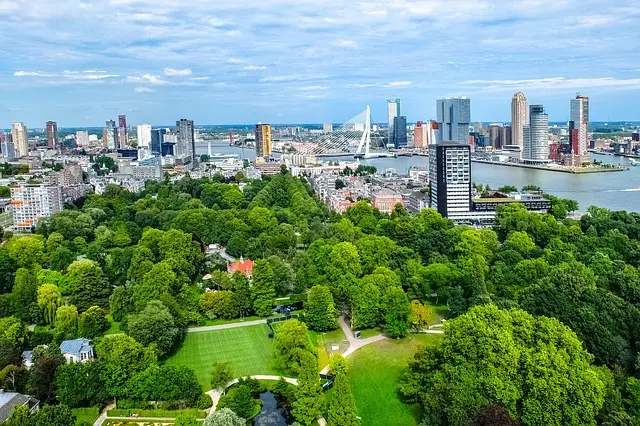
Soil compaction significantly impacts root systems and overall soil health, particularly in urban environments[2]. Compacted soil restricts root growth, leading to shallower root systems that are more susceptible to drought and mechanical damage[5]. Additionally, compaction reduces pore space, limiting oxygen and water infiltration, which are critical for root respiration and nutrient uptake[2]. Urban soils often suffer from these compaction issues due to heavy foot traffic, construction activities, and the presence of impervious surfaces[2]. Addressing soil compaction through practices like aeration and the introduction of structural soils can enhance root architecture and improve tree performance in urban settings[5].
Mycorrhizae networks play a crucial role in enhancing root systems and soil health[1]. These symbiotic associations between fungi and plant roots facilitate improved nutrient and water absorption, contributing to more resilient root architectures[4]. In urban ecosystems, fostering these mycorrhizal relationships can mitigate the adverse effects of soil compaction and promote healthier tree growth[2]. Advanced techniques such as Ground Penetrating Radar (GPR) combined with machine learning are being employed to map tree roots more accurately, providing valuable data for urban planners and arborists to make informed decisions about tree management and soil health[3].