
I Hug Trees

Gentle Urban Green Trees

Urban trees and forestry insights from around the world, every week.

📅 2026-02-25 ⏱️ 22 min read 🌳 Weekly

Week of 2026-02-25

Gentle Urban Green Trees

Urban trees and forestry insights from around the world, every week.

This Week's Highlights

Welcome to this week's urban forestry digest, where we explore the latest developments shaping our green urban landscapes. This edition dives into critical themes of species adaptation to changing climates and the transformative role of technology in urban tree management. Notable stories include a $500K grant awarded to an MSU researcher for studying tree species resilience in future Michigan climates and Purdue University's AI-driven initiative for urban tree monitoring. Additionally, we examine the impact of soil-dwelling fungi on global tree species and the challenges urban tree-planting programs face amid federal funding cuts. Join us as we navigate these pivotal trends and their implications for our cities' green futures.

Urban green spaces and city trees

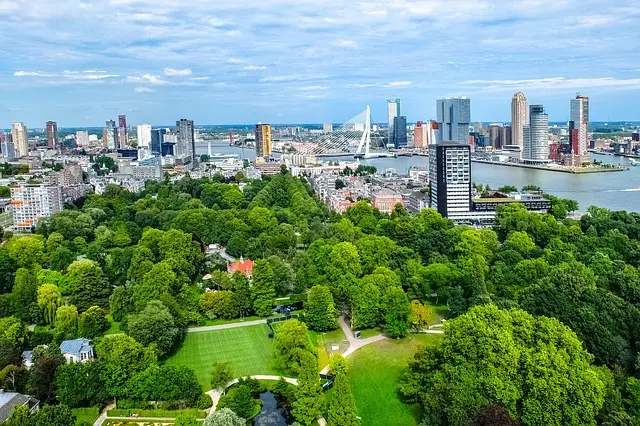
A city image of Osaka, Japan above, one of the most liveable top 10 cities in the world. Courtesy: Pixabay

At I Hug Trees, we want to tell clear stories about our greenery and urban life: shaping how we live, how we breathe, and how we cope with rising heat.

Why Urban Trees Matter

Urban forests are not just decoration. They are critical infrastructure that cities cannot function without. Trees in cities provide real, measurable benefits. They reduce temperatures by 2 to 8 degrees Celsius through shade and evapotranspiration. They intercept stormwater runoff, preventing billions in flood damage. They capture millions of tons of carbon from the atmosphere every year. They filter out air pollutants that cause respiratory disease.

A single mature tree can provide over $150 in annual benefits, from energy savings through building shade to mental health improvements for residents.

Cities with 30 to 40 percent canopy cover experience much lower heat related mortality, reduced urban heat island effects, and higher property values. Beyond money, urban forests support biodiversity in otherwise harsh environments. They provide crucial habitat corridors and offer fair access to nature for communities that have been denied green space.

The Challenges Ahead

Yet urban trees face serious challenges that threaten all these benefits. Climate change is pushing tree species beyond what they can tolerate while bringing more pests and diseases. Cities struggle with maintenance backlogs, not enough funding, and shortages of trained workers. Meanwhile, development pressures keep removing trees.

The gap between wealthy neighborhoods with many trees and underserved areas keeps growing wider, creating environmental injustice.

Without coordinated action (better policies, creative financing, community engagement, and science based management), cities risk losing the infrastructure that makes urban life livable. This weekly digest tracks the innovations, setbacks, and solutions coming from urban forestry practitioners worldwide. The future of livable cities depends on getting this right.

Root Systems & Soil Science

Root Systems and Soil Science

Placeholder image

Soil compaction is a significant concern in urban environments, affecting root architecture and overall tree performance[2]. Compacted soils limit root expansion, reducing access to water and nutrients, which are crucial for tree growth and health[5]. Mycorrhizae networks, symbiotic associations between fungi and tree roots, play a vital role in enhancing nutrient uptake and mitigating the effects of soil compaction[1]. These networks extend the root system's reach, improving tree resilience in urban settings[3]. Understanding the dynamics of these underground interactions is essential for maintaining urban soil health and ensuring robust tree performance[4].

Urban soil health is intricately linked to the performance of tree root systems[2]. The architecture of roots, influenced by soil conditions and compaction levels, determines a tree's ability to anchor, absorb water, and uptake nutrients[5]. Research indicates that mycorrhizae networks significantly enhance root efficiency and tree survival rates in compacted urban soils[1]. Monitoring and managing these underground dynamics are critical for developing effective urban forestry practices[4]. By fostering healthy mycorrhizae networks and mitigating soil compaction, cities can improve tree performance and contribute to better urban ecosystems[5].

Technology & Remote Sensing

Technology and Remote Sensing

Placeholder image

Technology has revolutionized urban forestry through the integration of Geographic Information Systems (GIS) applications, LiDAR mapping, and satellite monitoring. These tools enable city planners to create detailed digital inventories of urban forests, facilitating more informed decision-making and efficient resource allocation[2]. LiDAR technology, in particular, provides high-resolution 3D mapping of forest structures, allowing for precise measurements of tree height, canopy cover, and biomass[4]. Satellite monitoring complements these efforts by offering continuous, large-scale observations of forest health and changes over time, ensuring that urban forests are managed sustainably and effectively[1].

The advent of Artificial Intelligence (AI) has further enhanced urban forestry practices. AI-driven algorithms can analyze complex datasets to detect tree health issues, such as disease or pest infestations, with remarkable accuracy[3]. For instance, Purdue University's AI initiative focuses on urban tree monitoring, leveraging machine learning to improve tree health assessments and overall city life[1]. Additionally, digital inventory tools powered by AI streamline the process of cataloging urban trees, making it easier to track growth, species diversity, and the impact of environmental factors on urban forests[4]. These technological advancements are crucial for maintaining and expanding urban green spaces in an increasingly urbanized world.

Species Selection & Climate Adaptation

Species Selection and Climate Adaptation

Placeholder image

Species selection is a critical strategy for climate adaptation, particularly in urban forestry. Researchers at Michigan State University have received significant funding to study tree species that are best suited to withstand future Michigan climates[1]. This includes trials of various tree species to determine their resilience to drought and heat, essential factors in a changing climate[2]. The goal is to identify species that can thrive under predicted environmental conditions, ensuring the sustainability of urban forests[3]. Additionally, understanding the role of soil-dwelling fungi in tree species distribution is crucial, as these microorganisms can influence tree health and adaptability[4].

Assisted migration is another key approach in climate adaptation, involving the deliberate movement of species to areas where they are expected to fare better under future climate conditions. This method is particularly relevant for drought-sensitive species, where factors like wood density and maximum height play a significant role in their adaptability[5]. By selecting and relocating species with higher drought tolerance, urban planners can future-proof green spaces, ensuring they remain vibrant and functional in the face of climate change. This proactive approach not only preserves biodiversity but also enhances the resilience of urban ecosystems.

Ecosystem Services & Valuation

Ecosystem Services and Valuation

Placeholder image

Ecosystem services provided by urban forests, such as carbon sequestration and cooling benefits, are increasingly recognized for their significant contributions to urban sustainability[1]. Studies have shown that urban trees in Los Angeles capture more CO2 than previously estimated, highlighting the critical role of vegetation in mitigating urban heat and carbon emissions[2]. Additionally, urban forests play a vital role in stormwater management, reducing runoff and improving water quality[4]. These services are quantified using various economic valuation methodologies, which help policymakers understand the monetary value of these ecosystem services, facilitating informed decision-making and investment in green infrastructure[3].

The valuation of ecosystem services involves complex methodologies that assess both direct and indirect benefits[3]. For instance, the Sustainable Asset Valuation (SAVi) approach has been employed to evaluate the economic benefits of small-scale tree planting initiatives, demonstrating significant returns on investment through enhanced carbon sequestration, improved air quality, and increased property values[3]. Furthermore, advancements in technology, such as the use of artificial intelligence for urban forest inventory, enable more accurate assessments of these services, ensuring that urban planning strategies are data-driven and effective[4]. These valuations underscore the importance of integrating ecosystem services into urban development plans to foster resilient and sustainable cities[5].

Biosecurity & Invasive Pest Threats

Biosecurity and Invasive Pest Threats

Placeholder image

Invasive tree pests and disease outbreaks pose significant threats to forest ecosystems and agricultural productivity[1]. These invasive species can rapidly spread, causing extensive damage to native trees and crops[2]. Effective biosecurity measures are crucial to mitigate these risks. Surveillance technologies play a vital role in early detection, allowing for rapid response and containment[3]. Advanced monitoring systems, including remote sensing and drone technology, enable continuous surveillance of vast areas[4]. Early detection systems are essential for identifying new infestations promptly, minimizing potential damage[5]. These systems often integrate data from various sources, providing a comprehensive view of pest activity.

Quarantine measures are another critical component of biosecurity, preventing the introduction and spread of invasive pests[1]. Strict regulations on the movement of plants and plant products help safeguard vulnerable regions[2]. Collaboration between governments, researchers, and industries is vital for developing and implementing effective quarantine protocols[3]. Additionally, public awareness campaigns educate stakeholders about the risks of invasive pests and the importance of reporting suspicious activity[4]. By combining surveillance technologies, quarantine measures, and public engagement, we can enhance our defenses against invasive tree pests and protect our natural and agricultural resources[5].

Urban Wood Circular Economy

Urban Wood Circular Economy

Placeholder image

The Urban Wood Circular Economy represents a transformative approach to managing wood waste in urban environments. By implementing urban lumber milling, cities can process wood waste into reusable lumber, reducing landfill contributions and promoting sustainable resource use[1]. This process not only diverts wood waste from landfills but also creates economic opportunities through the sale of recycled lumber and other wood products[2]. Additionally, the production of biochar from wood waste offers another avenue for waste utilization, providing a valuable soil amendment that can enhance soil health and carbon sequestration[3]. This multifaceted approach not only addresses environmental concerns but also fosters local economic growth and innovation in waste management practices.

Further enhancing the Urban Wood Circular Economy, the integration of biochar production from wood waste presents significant environmental and economic benefits. Biochar, produced through pyrolysis, can be utilized in various applications, including soil improvement and carbon storage, thereby contributing to climate change mitigation efforts[4]. The diversion of wood waste from landfills to productive uses like lumber milling and biochar production not only reduces environmental impact but also creates new revenue streams and job opportunities within the community[5]. This holistic approach to wood waste management underscores the potential of circular economy principles to drive sustainable development in urban areas.

Risk Management & Legal Liability

Risk Management and Legal Liability

Placeholder image

Risk management in tree care operations is increasingly relying on advanced technologies for tree risk assessments. Cities like Branson have been awarded grants to utilize these technologies for assessing tree risks[3][4]. These assessments help identify potential hazards posed by trees, allowing for proactive measures to mitigate risks. However, the use of such technologies also brings about considerations of legal liability. As drone data becomes more prevalent in assessments, there are instances where homeowners face insurance challenges due to the detailed information these drones provide[2]. This highlights the need for clear guidelines and professional standards in the use of tree risk assessment technologies to navigate potential litigation and ensure compliance with insurance requirements.

Professional standards play a crucial role in managing legal liability in tree care. Certifications, such as the ISA Certified Urban Forestry Professional credential earned by industry professionals, underscore a commitment to adhering to these standards[5]. Insurance requirements are also evolving to address the unique risks associated with tree care operations. Companies like Yanez Tree are expanding their services to include advanced tree care technologies, reflecting an industry-wide shift towards more comprehensive risk management strategies[1]. As the field progresses, staying abreast of these developments is essential for professionals to effectively manage risks and mitigate legal liabilities.

Maintenance Crisis

Maintenance Crisis

Placeholder image

The maintenance crisis facing urban forests is multifaceted, with significant implications for urban ecosystems and community well-being. A growing pruning backlog has become a critical issue, exacerbated by budget constraints that limit the resources available for essential tree care[1]. Watering challenges further complicate the situation, as inconsistent irrigation practices can lead to increased tree mortality from neglect[2]. These factors contribute to a cycle of decline that threatens the health and longevity of urban trees. Innovative maintenance solutions are urgently needed to address these challenges and ensure the sustainability of urban forests in the face of increasing pressures[3].

The crisis is compounded by aging infrastructure and a lack of comprehensive data, which hinder effective maintenance and planning efforts[4]. Cities are exploring various strategies to mitigate these issues, including the adoption of updated urban forest plans that emphasize proactive maintenance and community involvement[3]. Additionally, some city councils are considering reallocating resources from regulatory teams to direct funding towards parks and tree care, aiming to strip down bureaucratic layers and focus on practical solutions[5]. These measures are crucial in navigating the complexities of urban forest maintenance and fostering resilient, thriving green spaces within cities.

Staffing & Workforce Development

Staffing and Workforce Development

Placeholder image

The staffing and workforce development in urban forestry is facing significant challenges due to shortages of urban foresters and arborists[1]. Cities like Eugene are actively planting street trees to meet climate goals, highlighting the need for skilled professionals in this field[1]. To address this, training programs such as the ISA Certified Arborist Prep Course are being introduced to prepare individuals for certification exams[2]. These courses are crucial for ensuring that practitioners are well-equipped with the necessary knowledge and skills to manage urban forests effectively.

Certification trends indicate a growing emphasis on professional development in arboriculture[2]. Additionally, volunteer stewardship programs are becoming integral to workforce development strategies. For instance, the Community Stewardship Program by the Toronto and Region Conservation Authority engages volunteers in tree care and conservation efforts, providing them with hands-on experience and training[3]. This not only helps in addressing urban forester shortages but also fosters a community-driven approach to urban forestry.

Funding & Resource Allocation

Funding and Resource Allocation

Placeholder image

In recent years, funding and resource allocation for urban forestry initiatives have faced significant challenges due to budget cuts and shifting federal priorities[1]. However, creative financing mechanisms have emerged as viable alternatives to traditional funding sources. For instance, the use of bonds and carbon credits has allowed cities like Bloomington, Indiana, to undertake large-scale tree planting projects[4]. Additionally, public-private partnerships have become increasingly common, enabling municipalities to leverage private sector resources and expertise in support of urban forestry goals.

Grant programs remain a critical source of funding for many urban forestry projects[2][3][5]. These grants often target specific initiatives, such as salmon recovery through urban forestry planning in Port Angeles[2] or tree planting efforts in Holston River Park[5]. By securing grant funding, cities can supplement their own resources and implement projects that might otherwise be financially out of reach. As federal funding becomes more unpredictable, the importance of diversifying funding sources and exploring innovative financing options will only continue to grow for urban forestry initiatives.

Urban Development Pressure

Urban Development Pressure

Placeholder image

Urban development pressure often leads to tree removal for construction projects, sparking policy conflicts between housing needs and canopy preservation[1]. Cities face the challenge of balancing growth with environmental sustainability, as evidenced by the shrinking urban tree canopy in regions like the Chesapeake Bay[2]. The removal of old oak trees for development in San Mateo highlights the tension between progress and conservation[3]. To address this, some cities have implemented tree protection ordinances, though enforcement can be inconsistent. For instance, Seattle's contested tree protection ordinance has seen a surge in tree-cutting pace by developers[5].

Effective tree protection ordinances require robust enforcement mechanisms to ensure compliance. The City of Oakland's project-related tree removal permits illustrate an attempt to regulate development impacts on urban forests[4]. However, the success of such policies depends on consistent application and adequate penalties for non-compliance. As urban areas continue to expand, finding a harmonious balance between development and environmental stewardship remains a critical challenge for policymakers and communities alike.

Climate Resilience & Extreme Events

Climate Resilience and Extreme Events

Placeholder image

Climate resilience is crucial in mitigating the impacts of extreme events such as droughts, heat waves, and storms. Drought impacts can be severe, affecting water supplies, agriculture, and ecosystems[1]. Heat waves pose significant risks to public health, particularly for vulnerable populations[2]. Storm damage can lead to extensive infrastructure disruptions and economic losses[3]. Effective emergency response is essential to minimize these impacts and ensure rapid recovery[4]. Climate-proofing strategies, such as enhancing urban tree canopy, are being researched to provide shade and reduce urban heat island effects[5]. These strategies aim to create more resilient communities capable of withstanding and adapting to the increasing frequency and severity of extreme weather events.

Research institutions are actively engaged in developing and testing climate-proofing strategies. For instance, Michigan State University has received a grant to study tree species that can thrive in future Michigan climates, aiming to enhance urban resilience against heat waves and droughts[1]. Similarly, Purdue University is utilizing artificial intelligence to inventory urban forests, providing data-driven insights for better urban planning and climate resilience[4]. Dartmouth College is examining urban forests across the United States to understand their role in mitigating climate impacts[5]. These efforts underscore the importance of integrating scientific research with practical applications to build more resilient urban environments.

Social Equity & Environmental Justice

Social Equity and Environmental Justice

Placeholder image

Social equity and environmental justice are critical considerations in urban greening initiatives, particularly in the context of tree equity and gentrification. Tree equity initiatives aim to address disparities in tree canopy coverage across different neighborhoods, ensuring that all communities benefit from the environmental and social advantages of urban forests[1]. However, greening efforts can sometimes contribute to gentrification, displacing long-term residents and altering the socio-economic fabric of neighborhoods[2]. This phenomenon, known as green gentrification, underscores the need for policies that promote sustainability without exacerbating social inequalities. Effective community engagement and representation are essential to ensure that greening projects meet the needs and desires of local residents, fostering a sense of ownership and preventing displacement[3].

To mitigate the risks associated with green gentrification, it is crucial to involve community members in the planning and implementation of greening projects. This includes ensuring that marginalized voices are heard and that their concerns are addressed[4]. Representation in decision-making processes helps to build trust and ensures that the benefits of green spaces are equitably distributed[5]. Additionally, policymakers must consider the long-term impacts of greening initiatives on housing affordability and community stability. By prioritizing social equity and environmental justice, urban greening can become a tool for enhancing the livability of cities while protecting the rights and well-being of all residents.

Policy & Planning Updates

Policy and Planning Updates

Placeholder image

Recent policy and planning updates in urban forestry highlight a strong commitment to enhancing municipal canopy cover. Cities like Louisville, Asheville, Irvine, Portland, and Seattle have all released new urban forest master plans that set ambitious targets for increasing tree coverage[1][2][3][4][5]. These plans are supported by new legislation, ordinances, and regulations aimed at promoting sustainable urban forestry practices. For instance, Louisville's Urban Forest Master Plan aims to boost canopy cover significantly[1], while Portland’s updated plan includes specific strategies to achieve their canopy goals[4]. These initiatives not only aim to improve environmental quality but also to foster community engagement in urban greening efforts.

The implementation of these urban forest master plans is further bolstered by municipal canopy cover targets, which serve as measurable goals for tree planting and maintenance. Cities are increasingly recognizing the importance of trees in mitigating urban heat, improving air quality, and providing habitat for wildlife[1][2][3][4][5]. For example, Seattle's new street tree planning study provides valuable insights into how the city can achieve a greener future[5]. These targeted efforts reflect a growing understanding of the critical role that urban forests play in creating resilient and sustainable cities.

Case Study Spotlight

Case Study Spotlight

Placeholder image

In the city of Portland, a collaborative effort between Portland Parks & Recreation and Friends of Trees has led to a significant expansion of community tree planting initiatives[5]. This partnership not only increased the urban canopy but also engaged local residents in environmental stewardship. Similarly, Rutgers University's innovative project involving Dawn Redwoods has successfully revitalized the boardwalk at Rutgers Gardens, demonstrating the potential of targeted urban forestry projects to enhance recreational spaces[2]. These success stories highlight the importance of community involvement and strategic planning in urban greening efforts.

The USDA’s approach to urban forestry, emphasizing greening without displacement, offers valuable lessons for cities looking to implement similar programs[3]. By prioritizing the needs of local communities and ensuring that greening initiatives do not lead to gentrification, cities can create more equitable and sustainable urban environments. Covington, KY, has also set a benchmark with its 2025 program, which showcased record-breaking small business success, illustrating the economic benefits of well-planned urban development[4]. These replicable strategies underscore the multifaceted impact of urban forestry and greening projects on both environmental and economic fronts.

Thank you for reading this week's Gentle Urban Greens digest. We'll return next week with more insights from the world of urban forestry.

📚 Referenced Sources

Root Systems & Soil Science

  1. New research determines soil-dwelling fungi affect global tree species - Purdue University - College of Agriculture (2026-02-25)
  2. Richmond researchers impact a neighborhood one tree at a time - UR Now (2026-02-25)
  3. Plants have a secret, second set of roots deep underground that scientists didn't know about - Live Science (2026-02-25)
  4. Early warning system could prevent a stink when it comes to street tree roots blocking sewer pipes - UniSA - University of South Australia (2026-02-25)
  5. A framework for soil microbial ecology in urban ecosystems - Nugent - 2022 - Ecosphere - ESA Journals (2026-02-25)

Technology & Remote Sensing

  1. Purdue AI urban tree monitoring and analysis initiative to improve city life - Purdue University - College of Agriculture (2026-02-25)
  2. Geospatial Technology Helps City Planners Protect and Expand Urban Forests - Geo Week News (2026-02-25)
  3. Twin Cities suburbs turn to technology to identify troubled trees - Star Tribune (2026-02-25)
  4. URBAN FOREST INVENTORY USING ARTIFICIAL INTELLIGENCE - Purdue University - College of Agriculture (2026-02-25)
  5. UTC storymap selected as finalist in global ArcGIS competition - University of Tennessee at Chattanooga (UTC) (2026-02-25)

Species Selection & Climate Adaptation

  1. MSU researcher receives $500K grant to study tree species suited to future Michigan climates - Michigan State University (2026-02-25)
  2. Can these trees withstand climate change? MSU researchers are planting thousands to find out - WCMU Public Radio (2026-02-25)
  3. MSU researcher to study which tree species will best fit Michigan's future climate - WXYZ Channel 7 (2026-02-25)
  4. New research determines soil-dwelling fungi affect global tree species - Purdue University - College of Agriculture (2026-02-25)
  5. Drought sensitivity is climate-adapted and consistently influenced by wood density and maximum height in eucalypts - besjournals (2026-02-25)

Ecosystem Services & Valuation

  1. Urban tree planting should consider local characteristics: assessing spatial heterogeneity in canopy cooling effects on land surface temperature using Bayesian spatially varying coefficient models - Frontiers (2026-02-25)
  2. ‘L.A. trees are kicking ass.’ Urban plants capture more CO2 than expected, study finds - Los Angeles Times (2026-02-25)
  3. Sustainable Asset Valuation (SAVi) of a Small-Scale Tree Planting Initiative in Côte d'Ivoire - International Institute for Sustainable Development (2026-02-25)
  4. URBAN FOREST INVENTORY USING ARTIFICIAL INTELLIGENCE - Purdue University - College of Agriculture (2026-02-25)
  5. MetroCOG Urban Tree Canopy Project - ArcGIS StoryMaps (2026-02-25)

Biosecurity & Invasive Pest Threats

  1. Farmland trees and integrated pest management: A review of current knowledge and developing strategies for sustainable systems - besjournals (2026-02-25)
  2. Disease and Insect Management for Pecans in Home Landscapes - Mississippi State University Extension Service (2026-02-25)
  3. Fungi from Minnesota can kill emerald ash borer beetles - University of Minnesota Twin Cities (2026-02-25)
  4. Trees — not grass and other greenery — associated with lower heart disease risk in cities - University of California - Davis Health (2026-02-25)
  5. Studying lingering ash saplings as potential invasive beetle solution - Spectrum News (2026-02-25)

Urban Wood Circular Economy

  1. Wood Innovations Program Grants - US Forest Service (.gov) (2026-02-25)
  2. The City of Ann Arbor, Michigan and Urban Ashes® launch the first Circular UrbanWood Triconomy™, a Municipal Wood Recycling Model - PR Newswire (2026-02-25)
  3. Turning Urban Wood Waste into Local, Sustainable Opportunities - Environmental and Energy Study Institute (EESI) (2026-02-25)
  4. Evaluating biochar extraction from waste tree stumps in different pyrolysis systems using life cycle analysis - Nature (2026-02-25)
  5. From Research to Recreation: Rutgers Dawn Redwoods Revitalize Boardwalk at Rutgers Gardens - Rutgers University (2026-02-25)

Risk Management & Legal Liability

  1. Yanez Tree Expands Advanced Tree Services in North Potomac - Milwaukee Journal Sentinel (2026-02-25)
  2. TORPY: Drone data is costing homeowners their insurance. Here’s how - AJC.com (2026-02-25)
  3. City of Branson Awarded Tree Risk Assessment Grant - KRZK 106.3 (2026-02-25)
  4. City To Use Grant To Conduct Risk Assessment Of Trees - WFIN (2026-02-25)
  5. SB Tree Service Owner Chris Forrest Earns ISA Certified Urban Forestry Professional Credential - newswire.com (2026-02-25)

Maintenance Crisis

  1. Urban tree-planting programs adapt to federal funding retraction - Smart Cities Dive (2026-02-25)
  2. New street tree planning study offers insights into a greener Seattle future - Seattle.gov (2026-02-25)
  3. City Council Adopts Portland’s Updated Urban Forest Plan - City of Portland, Oregon (.gov) (2026-02-25)
  4. Aging infrastructure, missing data, and backlog of repairs plague PG&E - KTVU (2026-02-25)
  5. City Councilor Proposes Stripping Urban Forestry’s Tree Regulation Team, Directing Savings Toward Parks - Willamette Week (2026-02-25)

Staffing & Workforce Development

  1. Eugene’s Urban Forestry Department plants street trees to reach city climate goals - Oregon Public Broadcasting - OPB (2026-02-25)
  2. COMING SOON: ISA Certified Arborist Prep Course and Exams 1. ISA Certified Arborist Review Class This two-day course will provide a review of the ISA Certification Exam Study Guide with instructor Jimmy Walters. Students must purchase a copy of the Stud - facebook.com (2026-02-25)
  3. Community Stewardship Program - Toronto and Region Conservation Authority (TRCA) (2026-02-25)
  4. Sacramento plans to add more trees as it faces service-request backlog - KCRA (2026-02-25)
  5. Miami-Dade County’s urban tree project unable to shade residents from record heat - Miami Herald (2026-02-25)

Funding & Resource Allocation

  1. Allegheny County loses millions in green infrastructure grants as feds cut funding, ease regulations - Pittsburgh's Public Source (2026-02-25)
  2. City of Port Angeles Receives Grant to Support Salmon Recovery Through Urban Forestry Planning - City of Port Angeles (2026-02-25)
  3. ODNR Division of Forestry Awards $2M in Urban Forestry Grants - Ohio Department of Natural Resources (.gov) (2026-02-25)
  4. Bicentennial Bond Tree Planting Project - City of Bloomington, Indiana (.gov) (2026-02-25)
  5. Planting trees at Holston River Park as part of grant - Knoxville News Sentinel (2026-02-25)

Urban Development Pressure

  1. With 1 million trees planted, Houston nonprofit charts expansion to combat canopy loss - Kinder Institute for Urban Research (2026-02-25)
  2. Forests, urban tree canopy still shrinking in Chesapeake Bay region - Bay Journal (2026-02-25)
  3. Old oak removal at development site sparks concern - San Mateo Daily Journal (2026-02-25)
  4. Project-Related Tree Removal Permits - City of Oakland (.gov) (2026-02-25)
  5. Developers’ tree-cutting pace surges under contested Seattle tree protection ordinance - InvestigateWest (2026-02-25)

Climate Resilience & Extreme Events

  1. MSU researcher receives $500K grant to study tree species suited to future Michigan climates - Michigan State University (2026-02-25)
  2. Can these trees withstand climate change? MSU researchers are planting thousands to find out - WCMU Public Radio (2026-02-25)
  3. More Than Just Shade: Understanding Tree Canopy and the Urban Heat Island Effect - The University of Rhode Island (2026-02-25)
  4. URBAN FOREST INVENTORY USING ARTIFICIAL INTELLIGENCE - Purdue University - College of Agriculture (2026-02-25)
  5. Study Examines Urban Forests Across the United States - Dartmouth (2026-02-25)

Social Equity & Environmental Justice

  1. Greening Without Displacement: The USDA’s Urban Forestry Approach - Environmental and Energy Study Institute (EESI) (2026-02-25)
  2. Green Gentrification and Policy Solutions: Making Sustainability A Sustainable Practice for All - The City University of New York (2026-02-25)
  3. Colorado environmental justice groups are struggling to keep their projects alive after federal funding cuts - Colorado Public Radio (2026-02-25)
  4. Climate change is making cities hotter. Here’s how planting trees can help - The Conversation (2026-02-25)
  5. As Heat Deaths Rise, Planting Trees Is Part of the Solution - The Revelator (2026-02-25)

Policy & Planning Updates

  1. Louisville Urban Forest Master Plan - LouisvilleKY.gov (2026-02-25)
  2. City of Asheville launches engagement survey for Urban Forest Master Plan - The City of Asheville (.gov) (2026-02-25)
  3. Review the Urban Forest Master Plan - City of Irvine (2026-02-25)
  4. City Council Adopts Portland’s Updated Urban Forest Plan - City of Portland, Oregon (.gov) (2026-02-25)
  5. New street tree planning study offers insights into a greener Seattle future - Seattle.gov (2026-02-25)

Case Study Spotlight

  1. MUFL Students Explore Innovative Approaches to Urban Forestry in Global Green Cities - The University of British Columbia (2026-02-25)
  2. From Research to Recreation: Rutgers Dawn Redwoods Revitalize Boardwalk at Rutgers Gardens - Rutgers University (2026-02-25)
  3. Greening Without Displacement: The USDA’s Urban Forestry Approach - Environmental and Energy Study Institute (EESI) (2026-02-25)
  4. City of Covington Showcases Record-Breaking Small Business Success in 2025 Program Analysis - The City of Covington, KY (.gov) (2026-02-25)
  5. Portland Parks & Recreation Urban Forestry Partners with Friends of Trees to Expand Community Tree Planting - City of Portland, Oregon (.gov) (2026-02-25)