
I Hug Trees

Gentle Urban Green Trees

Urban trees and forestry insights from around the world, every week.

📅 2026-05-20 ⏱️ 22 min read 🌳 Weekly

Week of 2026-05-20

Gentle Urban Green Trees

Urban trees and forestry insights from around the world, every week.

This Week's Highlights

Welcome to this week's urban forestry digest, where we delve into the most pressing developments shaping our urban green spaces. This edition spotlights the fusion of technology and nature as Purdue University pioneers an AI-driven initiative for urban tree monitoring, promising enhanced city life through data-driven insights. We also explore the relentless efforts in urban greening, with Houston's remarkable achievement of planting 1 million trees and New York's launch of a $10 million grant program aimed at bolstering urban tree inventories and forest planning. Additionally, we examine the critical theme of climate adaptation, featuring studies on tree species resilience to future climates and the identification of oak tree populations well-suited to withstand climate change. These stories not only highlight the innovative approaches and dedicated efforts in urban forestry but also underscore the importance of adapting our green infrastructures to the challenges of a changing world.

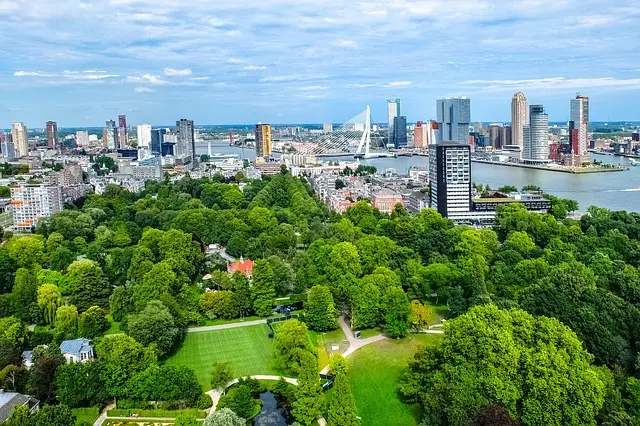
Urban green spaces and city trees

A city image of Osaka, Japan above, one of the most liveable top 10 cities in the world. Courtesy: Pixabay

At I Hug Trees, we want to tell clear stories about our greenery and urban life: shaping how we live, how we breathe, and how we cope with rising heat.

Why Urban Trees Matter

Urban forests are not just decoration. They are critical infrastructure that cities cannot function without. Trees in cities provide real, measurable benefits. They reduce temperatures by 2 to 8 degrees Celsius through shade and evapotranspiration. They intercept stormwater runoff, preventing billions in flood damage. They capture millions of tons of carbon from the atmosphere every year. They filter out air pollutants that cause respiratory disease.

A single mature tree can provide over $150 in annual benefits, from energy savings through building shade to mental health improvements for residents.

Cities with 30 to 40 percent canopy cover experience much lower heat related mortality, reduced urban heat island effects, and higher property values. Beyond money, urban forests support biodiversity in otherwise harsh environments. They provide crucial habitat corridors and offer fair access to nature for communities that have been denied green space.

The Challenges Ahead

Yet urban trees face serious challenges that threaten all these benefits. Climate change is pushing tree species beyond what they can tolerate while bringing more pests and diseases. Cities struggle with maintenance backlogs, not enough funding, and shortages of trained workers. Meanwhile, development pressures keep removing trees.

The gap between wealthy neighborhoods with many trees and underserved areas keeps growing wider, creating environmental injustice.

Without coordinated action (better policies, creative financing, community engagement, and science based management), cities risk losing the infrastructure that makes urban life livable. This weekly digest tracks the innovations, setbacks, and solutions coming from urban forestry practitioners worldwide. The future of livable cities depends on getting this right.

Root Systems & Soil Science

Root Systems and Soil Science

Placeholder image

Soil compaction, a pressing concern in urban environments, significantly impacts root systems and overall soil health[1]. Compacted soils restrict root growth, leading to shallower root systems that are less efficient at absorbing water and nutrients[3]. This limitation can compromise tree performance and resilience, especially in densely populated urban areas. Additionally, the intricate mycorrhizae networks, which enhance nutrient uptake for plants, are disrupted in compacted soils[2]. Urban soil health is further challenged by pollution, limited organic matter, and altered microbial communities[5]. Understanding and mitigating soil compaction is crucial for maintaining robust root architecture and ensuring the vitality of urban trees.

Root architecture and the underground dynamics of tree performance are deeply influenced by soil conditions[3]. In urban settings, the interplay between root systems and soil health is critical for tree survival and growth[4]. Initiatives like the Green Corridor in Houston aim to enhance urban soil quality, promoting deeper and more extensive root systems[4]. The study of mycorrhizae networks reveals how plants cooperate underground, sharing resources and information, which is vital for ecosystem stability[2]. Improving urban soil health through careful management and research can lead to stronger, more resilient tree populations, contributing to the overall well-being of urban ecosystems.

Technology & Remote Sensing

Technology and Remote Sensing

Placeholder image

The integration of technology and remote sensing has revolutionized urban forestry, enabling precise monitoring and management of tree populations. Geographic Information Systems (GIS) applications allow for detailed mapping and analysis of tree locations and health[1]. LiDAR mapping provides high-resolution, three-dimensional data of tree canopies, enhancing the accuracy of urban forest inventories[5]. Satellite monitoring offers continuous, large-scale observation of tree cover and growth patterns, identifying gaps and areas needing reforestation[2]. These technologies, combined with artificial intelligence, facilitate automated tree health detection, allowing for early intervention in cases of disease or stress[3]. Digital inventory tools streamline data collection and analysis, making urban forestry management more efficient and data-driven[4].

The application of AI in urban tree monitoring has shown significant promise. Purdue University's AI initiative has demonstrated the potential for machine learning algorithms to analyze complex urban tree data, providing insights into tree health and canopy coverage[1]. This technology can predict tree growth, identify potential risks, and optimize tree planting strategies. Additionally, satellite data is being used in cities like Austin to pinpoint areas with insufficient tree canopy, guiding targeted planting efforts to improve urban green spaces[2]. The use of LiDAR and AI in urban forestry not only enhances the precision of tree inventories but also supports sustainable urban planning and environmental management[3][5].

Species Selection & Climate Adaptation

Species Selection and Climate Adaptation

Placeholder image

Species selection and climate adaptation are critical components in the effort to future-proof urban forests against the impacts of climate change. Researchers at Michigan State University have received a significant grant to study tree species that are best suited to thrive in Michigan's changing climate[1]. Similarly, UCLA researchers have identified oak tree populations that show strong adaptation to climate change, providing valuable insights for urban forestry planning[2]. These studies emphasize the importance of selecting species that can withstand increased temperatures, altered precipitation patterns, and other climate-related stressors.

Assisted migration and climate-adapted species trials are emerging strategies to enhance the resilience of urban forests. Portland has updated its Approved Street Tree Planting Lists to include species that are more tolerant to drought and heat[3]. In New Mexico, a large-scale initiative has been launched to cultivate climate-ready forests, focusing on species that can survive in hotter and drier conditions[5]. These efforts are essential for maintaining the ecological and social benefits that urban forests provide, even as climate conditions continue to evolve.

Ecosystem Services & Valuation

Ecosystem Services and Valuation

Placeholder image

Ecosystem services provided by urban forests, such as carbon sequestration, cooling benefits, and stormwater management, are increasingly recognized for their critical role in sustainable urban development[1]. Carbon sequestration studies have shown that city trees and soil absorb more carbon dioxide than previously estimated, highlighting the importance of urban green spaces in mitigating climate change[4]. Cooling benefits from urban trees help reduce the urban heat island effect, making cities more comfortable and reducing energy consumption for cooling[3]. Stormwater management is another vital service, where trees and green infrastructure help absorb and filter rainwater, reducing flood risks and improving water quality[2].

The economic valuation of these ecosystem services is essential for informing urban planning and policy decisions[5]. Methodologies for economic valuation include cost-benefit analysis, market pricing of ecosystem services, and the use of digital tools to assess and quantify these benefits[2][5]. For instance, New York City’s urban forest is valued not only for its environmental benefits but also for its economic contributions, such as increased property values and reduced healthcare costs associated with improved air quality[1]. These valuations help justify investments in urban green infrastructure and highlight the long-term economic benefits of maintaining and expanding urban forests.

Biosecurity & Invasive Pest Threats

Biosecurity and Invasive Pest Threats

Placeholder image

Invasive tree pests and disease outbreaks pose significant threats to agricultural and urban ecosystems, necessitating robust biosecurity measures. The rise of invasive insects and pathogens has led to increased tree mortality, surpassing the impact of logging in certain regions[4]. Effective management strategies include the implementation of integrated pest management (IPM) systems, which combine biological, cultural, and chemical controls to minimize pest populations[1]. Surveillance technologies play a crucial role in early detection, allowing for timely intervention and quarantine measures to prevent the spread of invasive species[3]. Continuous monitoring and research are essential to develop resilient tree populations and protect against emerging threats.

Early detection systems are critical in managing invasive pest threats, as they enable rapid response to outbreaks before they become widespread. Technologies such as remote sensing and DNA barcoding have revolutionized the ability to identify and track invasive species[5]. Quarantine measures are vital in containing the spread of pests, requiring strict regulations on the movement of potentially infested materials[3]. Public awareness and education campaigns, like Emerald Ash Borer Awareness Week, help communities understand the risks and adopt preventive practices[5]. Collaborative efforts between governments, researchers, and the public are essential to enhance biosecurity and protect valuable tree resources from invasive pests.

Urban Wood Circular Economy

Urban Wood Circular Economy

Placeholder image

The Urban Wood Circular Economy focuses on transforming wood waste into valuable resources through various processes. Urban lumber milling converts waste wood into usable lumber, reducing landfill diversion and promoting sustainable practices[1]. Biochar production from wood waste offers another avenue for waste utilization, with biochar serving as a soil amendment and carbon sequestration tool[4]. This not only diverts wood waste from landfills but also creates economic opportunities by generating new products from what would otherwise be discarded[3]. The market for wood chips, a byproduct of these processes, is also expanding, indicating a growing demand for recycled wood materials[2].

Economic opportunities within the Urban Wood Circular Economy extend beyond waste diversion and product creation. Local businesses can thrive by processing urban wood waste into marketable items, fostering job creation and economic growth[1]. Additionally, the production of biochar from wood waste can be monetized, providing an income stream while contributing to environmental benefits such as soil improvement and carbon storage[4]. Overall, the Urban Wood Circular Economy presents a holistic approach to managing wood waste, emphasizing sustainability, resource efficiency, and economic resilience[5].

Risk Management & Legal Liability

Risk Management and Legal Liability

Placeholder image

Effective risk management in arboriculture necessitates a comprehensive understanding of tree risk assessment technologies, liability litigation, insurance requirements, and professional standards. Utilizing advanced technologies for tree risk assessments enables arborists to identify potential hazards and mitigate risks proactively[5]. This approach is crucial in reducing the likelihood of liability litigation, which can arise from tree-related incidents[4]. Ensuring compliance with insurance requirements and adhering to professional standards further safeguards arborists and property owners from legal repercussions. Regular training and certification in tree risk assessment methodologies are essential for maintaining high professional standards and minimizing legal liability.

In the event of tree damage, particularly from natural disasters, prompt and accurate assessments are vital. Implementing best practices for managing storm-damaged trees can significantly reduce risk and liability[2][3]. Arborists must stay informed about the latest technologies and legal requirements to effectively manage tree risks. This includes understanding the specific insurance coverage needed for different types of tree-related activities and ensuring that all practices align with industry standards. By doing so, arborists can protect themselves and their clients from potential legal and financial liabilities.

Maintenance Crisis

Maintenance Crisis

Placeholder image

The maintenance crisis in urban forestry is increasingly evident as cities grapple with a mounting pruning backlog, exacerbated by budget constraints and aging infrastructure[1][4]. Many municipalities face the daunting task of managing a growing number of neglected trees, leading to increased tree mortality[5]. This neglect not only diminishes the aesthetic and environmental benefits of urban forests but also poses safety risks. Innovative maintenance solutions are crucial to address these challenges, yet funding remains a significant barrier[3]. Cities like New York and Seattle are exploring new strategies to manage their urban forests more effectively, but widespread adoption of these methods is still limited by financial and logistical hurdles[2].

Watering challenges further complicate the maintenance crisis, particularly in regions experiencing drought or water scarcity[5]. Ensuring adequate hydration for newly planted and existing trees requires significant resources and planning. Budget constraints often force cities to prioritize immediate needs over long-term maintenance, leading to a vicious cycle of neglect and decline[1]. Innovative approaches, such as community-driven maintenance programs and the use of technology to monitor tree health, offer potential solutions[3]. However, the success of these initiatives depends on sustained investment and collaboration between municipal governments, residents, and environmental organizations[2].

Staffing & Workforce Development

Staffing and Workforce Development

Placeholder image

The urban forestry sector is grappling with significant workforce challenges, particularly urban forester shortages[1]. This shortage is exacerbated by the growing demand for tree planting and maintenance to meet city climate goals[1]. To address this, there is a rising emphasis on arborist training programs and certification trends[2][3]. For instance, the TREE Fund has awarded grants and scholarships to support arborist education, surpassing $6 million in contributions[2]. Additionally, institutions like the University of Hawaiʻi at Mānoa are offering free Arborist Certification Prep Courses to enhance professional qualifications[3].

Volunteer steward programs are emerging as a vital component in workforce development for urban forestry[4]. These programs not only help alleviate the service-request backlog faced by cities like Sacramento[5] but also foster community engagement and education in tree care and maintenance. By involving volunteers, cities can extend their reach and impact, ensuring that urban forests are well-maintained and sustainable for future generations[4][5].

Funding & Resource Allocation

Funding and Resource Allocation

Placeholder image

The allocation of funding for urban forestry initiatives is increasingly critical, especially in light of budget cuts and shifting priorities. In response, cities are exploring creative financing options such as bonds and carbon credits to maintain and expand their urban forests[1]. Public-private partnerships are also becoming more prevalent, as they leverage resources and expertise from both sectors to achieve common goals[2]. These partnerships can provide additional funding streams and innovative solutions to urban forestry challenges. Additionally, grant programs, like New York's $10 million initiative for urban tree inventories and forest planning, play a crucial role in supporting these efforts[3].

Urban forestry funding strategies are evolving to meet the demands of modern cities. Budget cuts necessitate more efficient use of available resources, prompting cities to seek out alternative financing methods[4]. Creative financing, including the use of bonds and carbon credits, allows cities to invest in long-term projects without straining current budgets[5]. Moreover, public-private partnerships enable the sharing of risks and rewards, fostering a collaborative approach to urban forest management. Grant programs further supplement these efforts, providing essential financial support for critical projects and research initiatives.

Urban Development Pressure

Urban Development Pressure

Placeholder image

Urban development pressure often leads to tree removal for new constructions, sparking policy conflicts between housing needs and canopy preservation[1]. Cities face the challenge of balancing growth with environmental sustainability, resulting in the creation of tree protection ordinances[2]. These regulations aim to mitigate the impact of development on urban forests, yet enforcement remains a critical issue[3]. In some cases, proposed developments that threaten significant tree loss have been delayed or revised to comply with local ordinances[4]. Strengthening these ordinances, as seen in Pasco County, indicates a growing recognition of the importance of urban trees[5]. However, the effectiveness of these measures depends on consistent and rigorous enforcement.

The conflict between urban development and tree preservation is evident in various cities, where the push for housing can overshadow environmental concerns[1]. Research shows that building density, rather than tree presence, is a stronger predictor of home loss in natural disasters, highlighting the need for balanced urban planning[2]. Instances like the red-tagging of trees in West Oakland and the delay of a West Ashley project in Charleston underline the community's and policymakers' efforts to protect urban greenery[3][4]. Enhanced tree ordinances, such as those approved in Pasco County, represent a step towards better integrating environmental considerations into urban development strategies[5].

Climate Resilience & Extreme Events

Climate Resilience and Extreme Events

Placeholder image

Climate resilience is increasingly critical as extreme weather events become more frequent and severe. Drought impacts, in particular, have profound consequences for urban environments, necessitating innovative strategies for urban forest management[1]. Heat waves, exacerbated by the urban heat island effect, require targeted responses, such as increasing tree canopy cover to provide shade and reduce temperatures[2]. Storm damage further complicates urban resilience, demanding robust emergency response plans and infrastructure improvements. Collaborative efforts, such as those involving multiple research institutions, are essential for developing climate-proofing strategies that enhance urban forest drought resilience[4].

Effective climate-proofing strategies involve leveraging technology, such as artificial intelligence, to conduct urban forest inventories and monitor tree health[3]. These technologies enable more precise management of urban green spaces, ensuring they can withstand extreme events. Additionally, research indicates that trees need adequate water and space to maximize their cooling effects, underscoring the importance of proper urban planning and maintenance[5]. By integrating these advanced methods and insights, cities can better prepare for and mitigate the impacts of extreme weather events, fostering a more resilient urban ecosystem.

Social Equity & Environmental Justice

Social Equity and Environmental Justice

Placeholder image

Social equity and environmental justice are critical components in the development and implementation of urban forestry programs. Tree equity initiatives aim to ensure that all communities, regardless of socioeconomic status, have equal access to the benefits of urban trees, such as improved air quality, reduced urban heat, and enhanced aesthetics[1]. However, there is a concern that greening efforts can lead to gentrification, where the influx of green spaces increases property values and displaces lower-income residents[3]. To mitigate this, community engagement and representation are essential. Programs like those in Prince George's County, Maryland, which have planted over 2,000 native trees, emphasize the importance of involving local residents in decision-making processes to ensure that greening efforts meet the needs and desires of the community[2].

Effective tree equity programs require a balanced approach that considers both environmental and social outcomes. For instance, New York City's Urban Forest Plan aims to increase canopy cover while addressing disparities in tree distribution across different neighborhoods[4]. Similarly, the City of Austin has adopted a Tree Equity Score to guide future urban forestry efforts, ensuring that tree planting is targeted in areas with the greatest need[5]. These initiatives highlight the necessity of integrating social equity considerations into environmental justice frameworks to create sustainable, inclusive urban environments.

Policy & Planning Updates

Policy and Planning Updates

Placeholder image

Several cities are making significant strides in urban forestry through the development and implementation of new urban forest master plans. Greenville is set to hold a virtual public information session for its Urban Forest Comprehensive Plan[1], while New York City has introduced a $10 million grant program to support urban tree inventories and forest planning[2]. Additionally, Asheville is engaging its community through workshops and tree seedling giveaways as part of its Urban Forestry Plan[3]. These initiatives aim to enhance urban green spaces, improve air quality, and increase municipal canopy cover targets.

Cambridge is updating its Urban Forest Master Plan with a public meeting scheduled for May 19[4]. New York City has also released its first-ever Urban Forest Plan, outlining strategies to increase canopy cover and improve the overall health of urban trees[5]. These plans are crucial for setting legislation, ordinances, and regulations that will guide urban forestry efforts in the coming years, ultimately contributing to more sustainable and resilient urban environments.

Case Study Spotlight

Case Study Spotlight

Placeholder image

The "Coed Caerdydd" project in Cardiff has made significant strides in urban reforestation, with over 150,000 trees planted across the city[2][3]. This initiative demonstrates the potential for large-scale tree planting to enhance urban environments. Similarly, Arlington has launched a tree planting initiative to commemorate its 150th anniversary, aiming to boost local canopy cover and improve air quality[5]. These projects highlight the importance of community engagement and long-term planning in successful urban forestry efforts.

In Houston, the Green Corridor initiative is preparing the Ion District for the FIFA World Cup by implementing green infrastructure projects[1]. This approach not only beautifies the area but also provides environmental benefits such as reduced urban heat and improved stormwater management. Wisconsin's 2026 Urban Forestry Grants further support such initiatives by providing funding for urban tree planting and maintenance projects across the state[4]. These examples illustrate replicable strategies that other cities can adopt to achieve similar success in urban forestry.

Thank you for reading this week's Gentle Urban Greens digest. We'll return next week with more insights from the world of urban forestry.

📚 Referenced Sources

Root Systems & Soil Science

  1. Richmond researchers impact a neighborhood one tree at a time - UR Now (2026-05-20)
  2. The More We Study Forests, the More It Seems Like Plants Might Be Cooperating and "Talking" to Each Other - ZME Science (2026-05-20)
  3. Global tree root systems now more shallow than they were before human activity, study finds - KCRA (2026-05-20)
  4. Houston plants roots for FIFA World Cup in Ion District with Green Corridor initiative - Rice University (2026-05-20)
  5. A framework for soil microbial ecology in urban ecosystems - Nugent - 2022 - Ecosphere - ESA Journals (2026-05-20)

Technology & Remote Sensing

  1. Purdue AI urban tree monitoring and analysis initiative to improve city life - Purdue University - College of Agriculture (2026-05-20)
  2. Austin uses satellite data to find gaps in its tree canopy - Planetizen (2026-05-20)
  3. URBAN FOREST INVENTORY USING ARTIFICIAL INTELLIGENCE - Purdue University - College of Agriculture (2026-05-20)
  4. Twin Cities suburbs turn to technology to identify troubled trees - Star Tribune (2026-05-20)
  5. Study Center Using Lidar to Map Tree Canopy in Laredo, Texas - govtech.com (2026-05-20)

Species Selection & Climate Adaptation

  1. MSU researcher receives $500K grant to study tree species suited to future Michigan climates - canr.msu.edu (2026-05-20)
  2. UCLA researchers identify oak tree populations as well adapted to climate change - Spectrum News (2026-05-20)
  3. Updates to the Approved Street Tree Planting Lists - Portland.gov (2026-05-20)
  4. Tropical trees are fighting an uphill battle with climate change. And they’re losing. - Wake Forest University (2026-05-20)
  5. New Mexico launches big push to grow climate-ready forests - Albuquerque Journal (2026-05-20)

Ecosystem Services & Valuation

  1. New York City’s Living Infrastructure: Funding and Managing NYC’s Urban Forest and Tree Canopy - NYC.gov (2026-05-20)
  2. URBAN FOREST INVENTORY USING ARTIFICIAL INTELLIGENCE - Purdue University - College of Agriculture (2026-05-20)
  3. MetroCOG Urban Tree Canopy Project - ArcGIS StoryMaps (2026-05-20)
  4. City Trees and Soil Are Sucking More Carbon Out of the Atmosphere Than Previously Thought | The Brink - Boston University (2026-05-20)
  5. Digital tools in urban forestry - npj Urban Sustainability - Nature (2026-05-20)

Biosecurity & Invasive Pest Threats

  1. Farmland trees and integrated pest management: A review of current knowledge and developing strategies for sustainable systems - besjournals (2026-05-20)
  2. Trees — not grass and other greenery — associated with lower heart disease risk in cities - University of California - Davis Health (2026-05-20)
  3. An Integrated Pest Management Strategic Plan for Sweet Cherries in Oregon and Washington - OSU Extension Service (2026-05-20)
  4. Invasive insects, disease now kill more trees in the Northeast than logging, study finds - Vermont Public (2026-05-20)
  5. May 17-23 is Emerald Ash Borer Awareness Week. Here's What You Need to Know - University of Vermont (2026-05-20)

Urban Wood Circular Economy

  1. Turning Urban Wood Waste into Local, Sustainable Opportunities - Environmental and Energy Study Institute (EESI) (2026-05-20)
  2. Wood Chips Market Size, Growth, Trends & Share, 2033 - Market Data Forecast (2026-05-20)
  3. What to know about Providence's new Urban Wood Depot and how to use it. - The Providence Journal (2026-05-20)
  4. Evaluating biochar extraction from waste tree stumps in different pyrolysis systems using life cycle analysis - Nature (2026-05-20)
  5. This company turns wood into garden gold. Now they want to do it with sewage. - The Providence Journal (2026-05-20)

Risk Management & Legal Liability

  1. Trees — not grass and other greenery — associated with lower heart disease risk in cities - University of California - Davis Health (2026-05-20)
  2. Spring Storms Are Coming: How to Reduce Tree Damage and Risk - Purdue University (2026-05-20)
  3. Tips to Manage Storm-Damaged Trees, Purdue Landscape Report - Purdue University (2026-05-20)
  4. Agent’s Plea That Landscaping Includes Tree Removal Fails - Insurance Journal (2026-05-20)
  5. Importance of the Tree Risk Assessment with Larry Caplan (5/8/2026) - Eyewitness News (WEHT/WTVW) (2026-05-20)

Maintenance Crisis

  1. New York City’s Living Infrastructure: Funding and Managing NYC’s Urban Forest and Tree Canopy - NYC.gov (2026-05-20)
  2. New street tree planning study offers insights into a greener Seattle future - SDOT Blog (.gov) (2026-05-20)
  3. City Council Adopts Portland’s Updated Urban Forest Plan - Portland.gov (2026-05-20)
  4. Aging infrastructure, missing data, and backlog of repairs plague PG&E - KTVU (2026-05-20)
  5. Oakland Offers a Plan to Aid Its Troubled, Unequal Tree Canopy - Bay Nature (2026-05-20)

Staffing & Workforce Development

  1. Eugene’s Urban Forestry Department plants street trees to reach city climate goals - Oregon Public Broadcasting - OPB (2026-05-20)
  2. TREE Fund announces spring 2025 grant and scholarship awardees, surpasses $6 million toward grant making and scholarships - nurserymag.com (2026-05-20)
  3. System: Seats available for free Arborist Certification Prep Course - University of Hawaiʻi at Mānoa (2026-05-20)
  4. Bellingham Urban Forest Plan on pause - thefrontonline.com (2026-05-20)
  5. Sacramento plans to add more trees as it faces service-request backlog - KCRA (2026-05-20)

Funding & Resource Allocation

  1. New York opens $10 million grant program for urban tree inventories and forest planning - Fingerlakes1.com (2026-05-20)
  2. New York City’s Living Infrastructure: Funding and Managing NYC’s Urban Forest and Tree Canopy - NYC.gov (2026-05-20)
  3. Public Land Commissioner defends urban forestry funding - KING5.com (2026-05-20)
  4. 6 Maldives Luxury Resorts Where Families Bond Over Coral Planting, Culture And Conservation - Forbes (2026-05-20)
  5. Green Infrastructure Projects and Updates - NatureScot (2026-05-20)

Urban Development Pressure

  1. With 1 million trees planted, Houston nonprofit charts expansion to combat canopy loss - Kinder Institute for Urban Research | Rice University (2026-05-20)
  2. Building Density, Not Trees, Was Strongest Predictor of Home Loss in Los Angeles Firestorms, Finds New Cal Poly Study - Cal Poly (2026-05-20)
  3. Dozens of trees were red-tagged for removal in West Oakland. Now the plan is on hold - The Oaklandside (2026-05-20)
  4. Charleston zoning board delays West Ashley project that could remove dozens of trees - WCIV (2026-05-20)
  5. Pasco Commissioners Unanimously Approve Stronger Tree Ordinance Rules - neighborhoodnewsonline.net (2026-05-20)

Climate Resilience & Extreme Events

  1. MSU researcher receives $500K grant to study tree species suited to future Michigan climates - canr.msu.edu (2026-05-20)
  2. More Than Just Shade: Understanding Tree Canopy and the Urban Heat Island Effect - The University of Rhode Island (2026-05-20)
  3. URBAN FOREST INVENTORY USING ARTIFICIAL INTELLIGENCE - Purdue University - College of Agriculture (2026-05-20)
  4. Four major Illinois research institutions form a collaboration to improve urban forest drought resilience - anl.gov (2026-05-20)
  5. Urban heat relief: Trees need water and space to maximize cooling, study finds - Phys.org (2026-05-20)

Social Equity & Environmental Justice

  1. Greening Without Displacement: The USDA’s Urban Forestry Approach - Environmental and Energy Study Institute (EESI) (2026-05-20)
  2. Prince George's County, Maryland advances environmental justice through urban tree planting program, installing more than 2,000 additional native trees - Insight News (2026-05-20)
  3. Green gentrification cycle: Double-edged sword of environmental justice - The University of Utah (2026-05-20)
  4. New York City Announces Release of First-Ever Urban Forest Plan - NYC.gov (2026-05-20)
  5. City of Austin Adopts Tree Equity Score to Guide the Future of Urban Forestry - City of Austin (.gov) (2026-05-20)

Policy & Planning Updates

  1. Virtual public information session set for Greenville’s Urban Forest Comprehensive Plan - Greenville Journal (2026-05-20)
  2. New York opens $10 million grant program for urban tree inventories and forest planning - Fingerlakes1.com (2026-05-20)
  3. City of Asheville invites community to register for the Urban Forestry Plan Workshop and tree seedling giveaway - The City of Asheville (.gov) (2026-05-20)
  4. Cambridge Urban Forest Master Plan 5-Year Update Public Meeting on May 19 - City of Cambridge Website (.gov) (2026-05-20)
  5. New York City Announces Release of First-Ever Urban Forest Plan - NYC.gov (2026-05-20)

Case Study Spotlight

  1. Houston plants roots for FIFA World Cup in Ion District with Green Corridor initiative - Rice University (2026-05-20)
  2. Cardiff’s Urban Forest Grows Again as ‘Coed Caerdydd’ Project Tops 150,000 New Trees Planted Across the City - Business News Wales (2026-05-20)
  3. Cardiff urban forest project hits major milestone with 155,000 trees planted - Wales 247 (2026-05-20)
  4. 2026 Urban Forestry Grants Announced | - Wisconsin DNR Forestry News (2026-05-20)
  5. Arlington Kicks Off Tree Planting Initiative to Celebrate 150 Years - City of Arlington (.gov) (2026-05-20)