I Hug Trees

Gentle Urban Green Trees

Urban trees and forestry insights from around the world, every week.

📅 2026-06-10 ⏱️ 23 min read 🌳 Weekly

Week of 2026-06-10

Gentle Urban Green Trees

Urban trees and forestry insights from around the world, every week.

This Week's Highlights

Welcome to this week's Urban Forestry Digest, where we explore the dynamic intersection of urban development and ecological stewardship. This edition spotlights the pressing theme of species-climate adaptation, with researchers at Michigan State University receiving significant grants to study tree resilience in changing climates. Technological advancements take center stage as Purdue University pioneers AI-driven urban tree monitoring, promising enhanced city living through innovative remote sensing. Meanwhile, the challenges of maintaining urban canopies amid funding retractions and development pressures are vividly illustrated by stories from Houston and Pittsburgh, underscoring the need for adaptive strategies in urban tree-planting programs. Join us as we delve into these critical trends shaping the future of our urban forests.

Urban green spaces and city trees

A city image of Osaka, Japan above, one of the most liveable top 10 cities in the world. Courtesy: Pixabay

At I Hug Trees, we want to tell clear stories about our greenery and urban life: shaping how we live, how we breathe, and how we cope with rising heat.

Why Urban Trees Matter

Urban forests are not just decoration. They are critical infrastructure that cities cannot function without. Trees in cities provide real, measurable benefits. They reduce temperatures by 2 to 8 degrees Celsius through shade and evapotranspiration. They intercept stormwater runoff, preventing billions in flood damage. They capture millions of tons of carbon from the atmosphere every year. They filter out air pollutants that cause respiratory disease.

A single mature tree can provide over $150 in annual benefits, from energy savings through building shade to mental health improvements for residents.

Cities with 30 to 40 percent canopy cover experience much lower heat related mortality, reduced urban heat island effects, and higher property values. Beyond money, urban forests support biodiversity in otherwise harsh environments. They provide crucial habitat corridors and offer fair access to nature for communities that have been denied green space.

The Challenges Ahead

Yet urban trees face serious challenges that threaten all these benefits. Climate change is pushing tree species beyond what they can tolerate while bringing more pests and diseases. Cities struggle with maintenance backlogs, not enough funding, and shortages of trained workers. Meanwhile, development pressures keep removing trees.

The gap between wealthy neighborhoods with many trees and underserved areas keeps growing wider, creating environmental injustice.

Without coordinated action (better policies, creative financing, community engagement, and science based management), cities risk losing the infrastructure that makes urban life livable. This weekly digest tracks the innovations, setbacks, and solutions coming from urban forestry practitioners worldwide. The future of livable cities depends on getting this right.

Root Systems & Soil Science

Urban soil health is increasingly under scrutiny as cities expand and human activity intensifies. Soil compaction, a common issue in urban areas, adversely affects root systems by limiting their growth and access to essential nutrients[1]. This compaction can alter root architecture, making trees more susceptible to environmental stresses[3]. Additionally, the intricate mycorrhizae networks, which play a crucial role in nutrient exchange between fungi and plant roots, are disrupted in compacted soils[2]. These networks are vital for tree performance and overall ecosystem health. Understanding the underground dynamics, such as soil microbial ecology, is essential for maintaining robust urban forests[5].

The performance of trees in urban environments is significantly influenced by the health of their root systems and the soil they inhabit. Initiatives like Houston's Green Corridor aim to enhance urban soil health by promoting better root growth and soil structure[4]. Improved soil conditions support deeper and more extensive root systems, which are crucial for tree stability and nutrient uptake[3]. Furthermore, healthy soils foster robust mycorrhizae networks, enhancing tree resilience against urban stressors[2]. Continued research and urban planning efforts are vital to preserving and enhancing soil health for sustainable urban forestry.

Technology & Remote Sensing

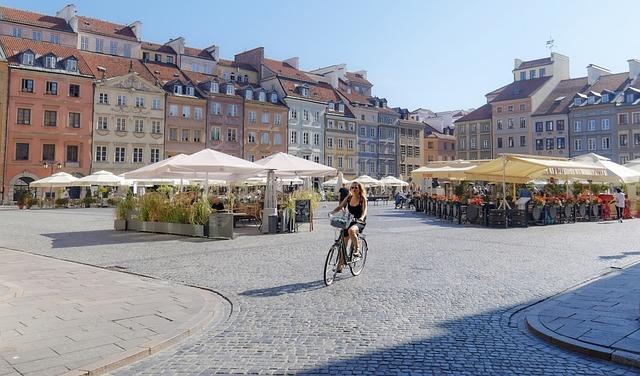
Technology and Remote Sensing

Photo by Nick115 on Pixabay

Technology and remote sensing have revolutionized urban forestry management. Geographic Information Systems (GIS) applications allow for detailed mapping and analysis of tree populations, enabling targeted interventions. LiDAR mapping provides precise three-dimensional data of urban landscapes, facilitating accurate tree inventory and health assessments[1]. Satellite monitoring offers continuous, large-scale observation of tree canopy coverage and changes over time[2]. These technologies, combined with artificial intelligence (AI), enhance the detection of tree health issues. For instance, AI algorithms can analyze satellite imagery to identify stressed or diseased trees, allowing for proactive maintenance[3]. Digital inventory tools further streamline the process by automating data collection and analysis, ensuring up-to-date records of urban forests[4].

The integration of these advanced technologies into urban forestry practices has shown significant benefits. For example, Purdue University's AI initiative for urban tree monitoring has demonstrated improved accuracy in tree health assessments and canopy coverage analysis[1]. Similarly, the University of Tennessee at Chattanooga's use of ArcGIS for creating story maps has been recognized globally for its effectiveness in visualizing urban forest data[5]. These innovations not only enhance the efficiency of urban forestry management but also contribute to the overall health and sustainability of urban environments.

Species Selection & Climate Adaptation

Species selection and climate adaptation are critical in addressing the challenges posed by climate change to urban forests. Researchers at Michigan State University have received significant funding to study tree species that are best suited to future Michigan climates[1]. These trials involve planting thousands of trees to assess their resilience to changing environmental conditions[2]. Similarly, UCLA researchers have identified oak tree populations that are well-adapted to climate change, highlighting the importance of selecting species with inherent climate resilience[3]. This approach not only aids in maintaining urban green spaces but also contributes to the overall health and sustainability of urban ecosystems.

Assisted migration and drought/heat tolerance research are essential components of climate adaptation strategies. Montgomery County, MD, has secured $2.1 million in federal and state funding to expand tree canopy and reduce energy bills, underscoring the multifaceted benefits of urban forestry[4]. A study by Dartmouth examined urban forests across the United States, providing valuable insights into the effectiveness of various adaptation measures[5]. Future-proofing urban forests requires a combination of species selection, assisted migration, and targeted research into drought and heat tolerance to ensure these green spaces can thrive in a changing climate.

Ecosystem Services & Valuation

Ecosystem services provided by urban forests, such as carbon sequestration, cooling benefits, and stormwater management, are increasingly recognized for their critical role in sustainable urban development[1]. Carbon sequestration studies highlight the capacity of city trees and soil to absorb significant amounts of carbon dioxide from the atmosphere, contributing to climate change mitigation efforts[3]. Additionally, urban forests offer cooling benefits that help reduce the urban heat island effect, making cities more livable and energy-efficient[2]. Stormwater management is another vital service, where trees and green infrastructure help absorb and filter rainwater, reducing flood risks and improving water quality[4].

The economic valuation of these ecosystem services is essential for informed decision-making and resource allocation[5]. Methodologies for economic valuation include market-based approaches, which assess the direct economic benefits, and non-market valuation techniques, such as contingent valuation and hedonic pricing, which capture the indirect benefits and societal value of ecosystem services[2]. Accurate valuation helps policymakers and urban planners prioritize investments in green infrastructure, ensuring long-term environmental and economic benefits for communities[1].

Biosecurity & Invasive Pest Threats

Biosecurity measures are essential in protecting ecosystems from invasive tree pests and disease outbreaks[1]. These threats can cause significant damage to urban forests and agricultural sectors, leading to economic losses and environmental degradation[2]. Effective surveillance technologies play a crucial role in early detection, allowing for timely intervention and management of invasive pests[3]. Implementing robust quarantine measures is vital to prevent the introduction and spread of invasive species[4]. Continuous monitoring and the development of advanced early detection systems are necessary to safeguard our natural resources from these ongoing threats[5].

The integration of cutting-edge surveillance technologies, such as remote sensing and automated monitoring systems, enhances the efficiency of detecting invasive pests[2]. These technologies provide real-time data, enabling rapid response to potential outbreaks[3]. Quarantine measures, when strictly enforced, can significantly reduce the risk of invasive species establishing in new areas[4]. Furthermore, investing in research and development of early detection systems ensures that we stay ahead of emerging threats, protecting both our urban and rural environments from the detrimental impacts of invasive pests[5].

Urban Wood Circular Economy

Urban Wood Circular Economy

Photo by makabera on Pixabay

The Urban Wood Circular Economy is gaining traction as a sustainable approach to managing wood waste in urban environments. Key focus areas include wood waste utilization, urban lumber milling, biochar production, landfill diversion, and the creation of economic opportunities. For instance, West Coast Arborists have partnered with the Conservation Corps of Long Beach to expand recycling and urban lumber programs, demonstrating the potential for collaboration in this space[1]. Additionally, initiatives like Providence's Urban Wood Depot are enabling communities to repurpose wood waste into valuable resources[3]. This not only reduces landfill contributions but also stimulates local economies by providing materials for construction and other industries[2].

Biochar production from urban wood waste is another promising avenue within the Urban Wood Circular Economy. Biochar, a stable form of carbon produced through pyrolysis, can be used to improve soil health and sequester carbon, offering a dual benefit for both waste management and climate change mitigation[4]. Moreover, the conversion of wood waste into biochar and other products helps divert materials from landfills, reducing environmental impact[5]. As urban areas continue to grow, the implementation of circular economy principles in wood waste management will be crucial for sustainable development and resource efficiency.

Risk Management & Legal Liability

Risk Management and Legal Liability

Placeholder image

Risk management and legal liability in tree care are critical concerns for professionals. The advent of tree risk assessment technologies has significantly enhanced the ability to predict and mitigate potential hazards posed by trees[2]. However, with these advancements comes the increased scrutiny of liability litigation. Professionals must adhere to stringent professional standards and ensure they have adequate insurance requirements in place to protect against potential claims[3]. The use of drones for tree assessments, while beneficial, has also introduced new complexities in homeowner insurance policies[4]. As such, staying informed about the latest technologies and legal requirements is essential for managing risks effectively.

Professional standards in tree care are continually evolving, driven by advancements in technology and changes in legal landscapes[5]. Liability litigation often arises from tree-related incidents, making it imperative for arborists and tree care companies to maintain comprehensive insurance coverage[3]. The NIP Group's TreePro Insurance, for example, offers increased excess capacity and essential wildfire liability protection, highlighting the growing need for specialized coverage in the industry[5]. By staying abreast of these developments, professionals can better navigate the complexities of risk management and legal liability in tree care.

Maintenance Crisis

The maintenance crisis in urban forestry has reached a critical point, characterized by a significant pruning backlog and watering challenges, exacerbated by budget constraints[1][2]. Cities are grappling with the dual pressures of limited financial resources and a growing need to maintain their urban tree canopies. This situation is particularly dire in areas where federal funding has been retracted, leaving local governments to shoulder the burden[1]. The Comptroller Levine report highlights the severe funding gaps and management issues affecting NYC’s urban forest, pointing to a systemic problem that requires immediate attention[2][3]. Without adequate maintenance, urban trees face increased mortality rates from neglect, which not only diminishes the aesthetic and environmental benefits of these green spaces but also poses safety risks to city residents[4].

Innovative maintenance solutions are emerging as a response to these challenges, aiming to bridge the gap between resource limitations and the urgent need for urban forest care[4]. These solutions range from community-driven initiatives to technological advancements that enhance efficiency and reduce costs. For instance, Portland’s updated Urban Forest Plan incorporates new strategies to manage and fund tree maintenance more effectively[4]. However, the success of these initiatives depends on consistent funding and the ability to address the backlog of neglected trees. The situation is further complicated by aging infrastructure and missing data, as seen in the case of PG&E, which underscores the need for comprehensive, data-driven approaches to urban forest management[5].

Staffing & Workforce Development

Staffing and Workforce Development

Photo by Matias_Luge on Pixabay

Staffing and workforce development are critical components in addressing urban forester shortages and enhancing urban forest management[1]. Training programs for arborists play a vital role in bridging the skills gap. Institutions such as the University of Delaware offer specialized training sessions, ensuring that professionals are well-equipped with the latest arboricultural practices[2]. Additionally, certification trends indicate a growing emphasis on credentialing, which not only enhances professional credibility but also ensures adherence to safety and efficacy standards in tree care operations[4]. These efforts are essential for maintaining and expanding urban tree canopies, which are increasingly recognized for their environmental and social benefits.

Volunteer stewardship programs are another crucial aspect of workforce development in urban forestry. These programs engage community members in tree planting and maintenance activities, fostering a sense of ownership and responsibility towards local green spaces[3]. The Bald Mountain Stewardship Project exemplifies how community volunteers can make a significant impact on urban forestry initiatives[3]. By involving volunteers, cities can augment their workforce, reduce operational costs, and build stronger community ties. This collaborative approach not only addresses urban forester shortages but also promotes public awareness and participation in environmental stewardship.

Funding & Resource Allocation

Funding and Resource Allocation

Placeholder image

Budget cuts have significantly impacted funding for green infrastructure projects, as seen in Allegheny County's loss of millions in federal grants[1]. This reduction in funding necessitates innovative approaches to resource allocation. Creative financing methods, such as the use of bonds and carbon credits, are becoming essential tools for securing necessary funds[3]. Additionally, public-private partnerships are emerging as crucial mechanisms to bridge the funding gap, leveraging private investment to complement public resources. These collaborations can enhance project feasibility and sustainability, ensuring that critical environmental initiatives continue despite fiscal constraints.

Grant programs remain a vital source of funding for urban forestry and green infrastructure projects, though their availability is increasingly threatened by budget cuts[4]. The importance of these grants is highlighted by the existential threat posed to state urban forestry programs, which rely heavily on such funding[4]. To mitigate these challenges, stakeholders must explore diverse funding streams and advocate for sustained investment in environmental initiatives. By doing so, communities can continue to benefit from the numerous ecological, economic, and social advantages provided by well-maintained urban forests and green spaces.

Urban Development Pressure

Urban Development Pressure

Photo by ELG21 on Pixabay

Urban development pressure often leads to tree removal to accommodate new construction projects, creating a conflict between housing needs and maintaining the urban tree canopy[1]. Cities face the challenge of balancing growth with environmental preservation, as the removal of trees can result in a loss of canopy cover, impacting biodiversity and urban climate[2]. To address this, many municipalities have enacted tree protection ordinances aimed at preserving existing trees during development[3]. However, the enforcement of these ordinances varies, and in some cases, proposed tree removals have been met with community resistance, leading to temporary halts in development plans[4].

In instances where tree removal is approved for development projects, such as in Brooksville, the local government must navigate the fine line between fostering economic growth and protecting natural resources[5]. The decision-making process involves assessing the necessity of tree removal against the potential environmental and social impacts. Community engagement and public hearings are often part of the process to ensure that the voices of residents are heard in these critical urban planning decisions. Effective urban development strategies require a holistic approach that considers both the immediate needs for housing and the long-term benefits of a robust tree canopy.

Climate Resilience & Extreme Events

Climate Resilience and Extreme Events

Photo by Ming_SONG on Pixabay

Climate resilience is increasingly critical as extreme weather events become more frequent and severe. Drought impacts, such as reduced water availability and crop failures, necessitate robust adaptation strategies. Heat waves, which have been linked to increased mortality, require effective response mechanisms. For instance, urban forestry initiatives have been shown to reduce heat-related deaths[3]. Storm damage poses significant risks to infrastructure and communities, demanding improved emergency response protocols. Taiwan, for example, is implementing urban forestry and water management plans to enhance climate resilience[5]. These efforts aim to mitigate the effects of extreme weather and ensure communities can recover more swiftly from disasters.

Climate-proofing strategies are essential for long-term resilience. This involves integrating climate projections into urban planning and infrastructure development. For example, selecting tree species that can withstand future climate conditions is a proactive measure[1][2]. Additionally, enhancing tree canopy in urban areas not only provides shade but also helps combat the urban heat island effect[4]. Emergency response systems must be adaptable and scalable to address the unique challenges posed by different types of extreme events. By investing in research and innovative solutions, communities can better prepare for and respond to the impacts of a changing climate.

Social Equity & Environmental Justice

Social Equity and Environmental Justice

Placeholder image

Social equity and environmental justice are critical components in the implementation of tree equity initiatives. These initiatives aim to ensure that all communities, regardless of socioeconomic status, have equal access to the benefits of urban green spaces[1]. However, there is a growing concern that greening efforts can inadvertently lead to gentrification, displacing long-term residents and altering the social fabric of neighborhoods[3]. To mitigate these risks, it is essential to involve community members in the planning and decision-making processes. Genuine community engagement ensures that the voices of those most affected by greening projects are heard and considered[4]. This approach not only fosters trust but also leads to more sustainable and equitable outcomes.

Representation in environmental justice efforts is another vital aspect. Ensuring that diverse groups are represented in leadership and decision-making roles helps to address the unique needs and concerns of different communities[2]. For instance, Prince George's County in Maryland has made strides by involving local residents in their urban tree planting program, which has resulted in the installation of over 2,000 native trees[2]. Such initiatives not only enhance tree canopy but also promote a sense of ownership and responsibility among community members. By prioritizing both social equity and environmental justice, cities can create greener, more inclusive urban environments.

Policy & Planning Updates

Policy and Planning Updates

Placeholder image

Recent policy and planning updates in urban forestry reveal a growing commitment to enhancing urban green spaces. Cities like Cambridge and Portland have adopted updated urban forest master plans, setting new municipal canopy cover targets and outlining strategies for tree management and expansion[3][5]. Georgetown is also making strides by mapping and managing its tree population through a dedicated urban forest plan, aiming to improve canopy cover and urban resilience[2][4]. These initiatives are supported by legislation and ordinances that promote sustainable urban forestry practices, ensuring long-term benefits for both the environment and community well-being.

The involvement of organizations such as Indiana University’s Environmental Resilience Institute further underscores the importance of collaborative efforts in urban forestry[1]. By providing cities with the necessary tools and expertise, these institutions help implement effective urban forest strategies. The focus on increasing canopy cover not only enhances aesthetic and recreational values but also contributes to climate adaptation, air quality improvement, and biodiversity support. As cities continue to evolve their urban forest plans, the integration of technology and community engagement will be crucial in achieving these green objectives.

Case Study Spotlight

Case Study Spotlight

Placeholder image

Houston's Green Corridor initiative in the Ion District stands as a remarkable success story in urban forestry. Implemented in preparation for the FIFA World Cup, this project aimed to enhance the urban canopy and improve the local environment[1]. The initiative involved planting thousands of trees along major thoroughfares, creating a continuous green corridor. This not only beautified the area but also provided numerous environmental benefits, such as improved air quality and reduced urban heat[1]. The project's success can be attributed to meticulous planning, community involvement, and strategic partnerships with local organizations.

Portland's collaboration with Friends of Trees offers another exemplary model for urban forestry. By partnering with this nonprofit organization, Portland Parks & Recreation has significantly expanded its community tree planting efforts[4]. This partnership has enabled the city to plant thousands of trees across various neighborhoods, enhancing urban green spaces and fostering community engagement[4]. The replicable strategy here involves leveraging community organizations to amplify the impact of urban forestry initiatives. Additionally, securing grants, such as those offered by the USDA Forest Service and Wisconsin DNR, can provide essential funding for similar projects[2][3].

Thank you for reading this week's Gentle Urban Greens digest. We'll return next week with more insights from the world of urban forestry.

📚 Referenced Sources

Root Systems & Soil Science

  1. Richmond researchers impact a neighborhood one tree at a time - UR Now (2026-06-10)
  2. The More We Study Forests, the More It Seems Like Plants Might Be Cooperating and "Talking" to Each Other - ZME Science (2026-06-10)
  3. Global tree root systems now more shallow than they were before human activity, study finds - KCRA (2026-06-10)
  4. Houston plants roots for FIFA World Cup in Ion District with Green Corridor initiative - Rice University (2026-06-10)
  5. A framework for soil microbial ecology in urban ecosystems - Nugent - 2022 - Ecosphere - ESA Journals (2026-06-10)

Technology & Remote Sensing

  1. Purdue AI urban tree monitoring and analysis initiative to improve city life - Purdue University - College of Agriculture (2026-06-10)
  2. Austin uses satellite data to find gaps in its tree canopy - Planetizen (2026-06-10)
  3. Twin Cities suburbs turn to technology to identify troubled trees - Star Tribune (2026-06-10)
  4. URBAN FOREST INVENTORY USING ARTIFICIAL INTELLIGENCE - Purdue University - College of Agriculture (2026-06-10)
  5. UTC storymap selected as finalist in global ArcGIS competition | UTC News - University of Tennessee at Chattanooga (2026-06-10)

Species Selection & Climate Adaptation

  1. MSU researcher receives $500K grant to study tree species suited to future Michigan climates - Michigan State University (2026-06-10)
  2. Can these trees withstand climate change? MSU researchers are planting thousands to find out - WCMU Public Media (2026-06-10)
  3. UCLA researchers identify oak tree populations as well adapted to climate change - Spectrum News (2026-06-10)
  4. Awarded $2.1 Million in Federal and State Funding to Help Residents Reduce Energy Bills and Expand Tree Canopy | Montgomery County, MD - Montgomery County, MD (.gov) (2026-06-10)
  5. Study Examines Urban Forests Across the United States - Dartmouth (2026-06-10)

Ecosystem Services & Valuation

  1. Westmont Tree Planting Incentive Program - westmont.il.gov (2026-06-10)
  2. New York City’s Living Infrastructure: Funding and Managing NYC’s Urban Forest and Tree Canopy - NYC.gov (2026-06-10)
  3. City Trees and Soil Are Sucking More Carbon Out of the Atmosphere Than Previously Thought | The Brink - Boston University (2026-06-10)
  4. Plan to fund 75 climate-resilient trees takes root in Revelstoke - Revelstoke Review (2026-06-10)
  5. Digital tools in urban forestry - npj Urban Sustainability - Nature (2026-06-10)

Biosecurity & Invasive Pest Threats

  1. Trees — not grass and other greenery — associated with lower heart disease risk in cities - University of California - Davis Health (2026-06-10)
  2. An Integrated Pest Management Strategic Plan for Sweet Cherries in Oregon and Washington - OSU Extension Service (2026-06-10)
  3. Saskatoon resets urban forest plans after losing thousands of trees - CBC (2026-06-10)
  4. Managing Ambrosia Beetles in Apple - Michigan State University (2026-06-10)
  5. Invasive Insect Discovered in Grape Plants Shipped to Marin - Marin County (.gov) (2026-06-10)

Urban Wood Circular Economy

  1. West Coast Arborists partner with the Conservation Corps of Long Beach to expand recycling and urban lumber programs - PublicCEO (2026-06-10)
  2. Turning Urban Wood Waste into Local, Sustainable Opportunities - Environmental and Energy Study Institute (EESI) (2026-06-10)
  3. What to know about Providence's new Urban Wood Depot and how to use it. - The Providence Journal (2026-06-10)
  4. Rings of Time: Seeking Clues to the Future in Urban Timber - Columbia University (2026-06-10)
  5. This company turns wood into garden gold. Now they want to do it with sewage. - The Providence Journal (2026-06-10)

Risk Management & Legal Liability

  1. Trees — not grass and other greenery — associated with lower heart disease risk in cities - University of California - Davis Health (2026-06-10)
  2. Spring Storms Are Coming: How to Reduce Tree Damage and Risk - Purdue University (2026-06-10)
  3. Tips to Manage Storm-Damaged Trees, Purdue Landscape Report - Purdue University (2026-06-10)
  4. TORPY: Drone data is costing homeowners their insurance. Here’s how - AJC.com (2026-06-10)
  5. NIP Group's TreePro Insurance Increases Excess Capacity to $25 Million, Adds Essential Wildfire Liability Protection for Utility Arborists - PRWeb (2026-06-10)

Maintenance Crisis

  1. Urban tree-planting programs adapt to federal funding retraction - Smart Cities Dive (2026-06-10)
  2. Comptroller Levine Issues Report on Funding and Managing NYC’s Urban Forest and Tree Canopy - NYC.gov (2026-06-10)
  3. New York City’s Living Infrastructure: Funding and Managing NYC’s Urban Forest and Tree Canopy - NYC.gov (2026-06-10)
  4. City Council Adopts Portland’s Updated Urban Forest Plan - Portland.gov (2026-06-10)
  5. Aging infrastructure, missing data, and backlog of repairs plague PG&E - KTVU (2026-06-10)

Staffing & Workforce Development

  1. Comptroller Levine Issues Report on Funding and Managing NYC’s Urban Forest and Tree Canopy - NYC.gov (2026-06-10)
  2. Learn to Climb a Tree: University of Delaware Hosts Arborist Training in April - 93.3 WMMR (2026-06-10)
  3. Community Volunteers Rally to Plant Trees through the Bald Mountain Stewardship Project - National Forest Foundation (2026-06-10)
  4. Civica’s ArborSafe And Greehill Partner To Advance Urban Forest Management For Councils - SMBtech (2026-06-10)
  5. Program Provides ‘Crash Course’ for Aspiring Arborists - Urban Milwaukee (2026-06-10)

Funding & Resource Allocation

  1. Allegheny County loses millions in green infrastructure grants as feds cut funding, ease regulations - Pittsburgh's Public Source (2026-06-10)
  2. William Bond, grasslands researcher who reminded conservation that context matters, has died - news - Mongabay (2026-06-10)
  3. Comptroller Levine Issues Report on Funding and Managing NYC’s Urban Forest and Tree Canopy - NYC.gov (2026-06-10)
  4. ‘Existential’ Budget Cut Would Wipe Out State Urban Forestry Program - The Urbanist (2026-06-10)
  5. 6 Maldives Luxury Resorts Where Families Bond Over Coral Planting, Culture And Conservation - Forbes (2026-06-10)

Urban Development Pressure

  1. With 1 million trees planted, Houston nonprofit charts expansion to combat canopy loss - Kinder Institute for Urban Research | Rice University (2026-06-10)
  2. University efforts bolster Nebraska's community tree canopy - Nebraska Today (2026-06-10)
  3. Bark Busters Tree Service Reinforces Preventive Tree Maintenance Practices for Property Safety - The Providence Journal (2026-06-10)
  4. Dozens of trees were red-tagged for removal in West Oakland. Now the plan is on hold - The Oaklandside (2026-06-10)
  5. Brooksville City Council Approves Tree Removals for Two Projects - Hernando Sun (2026-06-10)

Climate Resilience & Extreme Events

  1. MSU researcher receives $500K grant to study tree species suited to future Michigan climates - Michigan State University (2026-06-10)
  2. Can these trees withstand climate change? MSU researchers are planting thousands to find out - WCMU Public Media (2026-06-10)
  3. New study in Paris: trees reduce mortality linked to heat waves - Instituto de Salud Global de Barcelona (2026-06-10)
  4. More Than Just Shade: Understanding Tree Canopy and the Urban Heat Island Effect - The University of Rhode Island (2026-06-10)
  5. Taiwan rolls out urban forestry, water plans to tackle climate risks - Eco-Business (2026-06-10)

Social Equity & Environmental Justice

  1. Greening Without Displacement: The USDA’s Urban Forestry Approach - Environmental and Energy Study Institute (EESI) (2026-06-10)
  2. Prince George's County, Maryland advances environmental justice through urban tree planting program, installing more than 2,000 additional native trees - Insight News (2026-06-10)
  3. Study Links Urban Green Spaces to Gentrification in Africa - aju press (2026-06-10)
  4. Green gentrification cycle: Double-edged sword of environmental justice - The University of Utah (2026-06-10)
  5. New York City Announces Release of First-Ever Urban Forest Plan - NYC.gov (2026-06-10)

Policy & Planning Updates

  1. IU’s Environmental Resilience Institute helps cities with urban forestry - Indiana Public Media (2026-06-10)
  2. Georgetown looks to map, manage trees with urban forest plan - KXAN Austin (2026-06-10)
  3. Cambridge Urban Forest Master Plan 5-Year Update Public Meeting on May 19 - City of Cambridge Website (.gov) (2026-06-10)
  4. Georgetown prepares next steps for Urban Forest Master Plan - Williamson County Sun (2026-06-10)
  5. City Council Adopts Portland’s Updated Urban Forest Plan - Portland.gov (2026-06-10)

Case Study Spotlight

  1. Houston plants roots for FIFA World Cup in Ion District with Green Corridor initiative - Rice University (2026-06-10)
  2. USDA Forest Service Requests Proposals for Wood Innovations Grants | - Wisconsin DNR Forestry News (2026-06-10)
  3. 2026 Urban Forestry Grants Announced | - Wisconsin DNR Forestry News (2026-06-10)
  4. Portland Parks & Recreation Urban Forestry Partners with Friends of Trees to Expand Community Tree Planting - Portland.gov (2026-06-10)
  5. City of Homestead Celebrates Arbor Day with Tree Planting and Butterfly Garden Initiative - City of Homestead (.gov) (2026-06-10)