I Hug Trees

Gentle Urban Green Trees

Urban trees and forestry insights from around the world, every week.

📅 2026-07-15 ⏱️ 22 min read 🌳 Weekly

Week of 2026-07-15

Gentle Urban Green Trees

Urban trees and forestry insights from around the world, every week.

This Week's Highlights

Welcome to this week's Urban Forestry Digest, where we delve into the latest developments shaping our urban green spaces. This week, we spotlight the critical intersection of technology and nature, as researchers leverage AI tools to cost-effectively map urban tree canopies, enabling smarter city planning and policy decisions. Additionally, we explore the pressing need for species-climate adaptation, with ongoing studies and planting initiatives aimed at identifying tree species that can thrive in changing climates. Alongside these themes, we examine how urban forestry practices are evolving in response to both natural challenges, such as storm resilience and pest infestations, and human-induced changes, including shifts in federal funding. Join us as we navigate these complex yet fascinating trends in urban forestry.

Urban green spaces and city trees

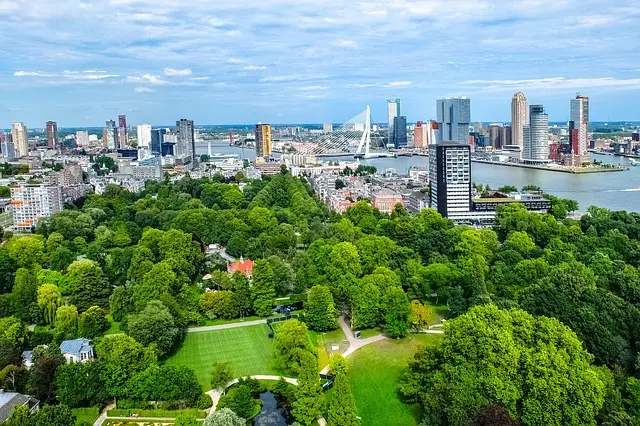
A city image of Osaka, Japan above, one of the most liveable top 10 cities in the world. Courtesy: Pixabay

At I Hug Trees, we want to tell clear stories about our greenery and urban life: shaping how we live, how we breathe, and how we cope with rising heat.

Why Urban Trees Matter

Urban forests are not just decoration. They are critical infrastructure that cities cannot function without. Trees in cities provide real, measurable benefits. They reduce temperatures by 2 to 8 degrees Celsius through shade and evapotranspiration. They intercept stormwater runoff, preventing billions in flood damage. They capture millions of tons of carbon from the atmosphere every year. They filter out air pollutants that cause respiratory disease.

A single mature tree can provide over $150 in annual benefits, from energy savings through building shade to mental health improvements for residents.

Cities with 30 to 40 percent canopy cover experience much lower heat related mortality, reduced urban heat island effects, and higher property values. Beyond money, urban forests support biodiversity in otherwise harsh environments. They provide crucial habitat corridors and offer fair access to nature for communities that have been denied green space.

The Challenges Ahead

Yet urban trees face serious challenges that threaten all these benefits. Climate change is pushing tree species beyond what they can tolerate while bringing more pests and diseases. Cities struggle with maintenance backlogs, not enough funding, and shortages of trained workers. Meanwhile, development pressures keep removing trees.

The gap between wealthy neighborhoods with many trees and underserved areas keeps growing wider, creating environmental injustice.

Without coordinated action (better policies, creative financing, community engagement, and science based management), cities risk losing the infrastructure that makes urban life livable. This weekly digest tracks the innovations, setbacks, and solutions coming from urban forestry practitioners worldwide. The future of livable cities depends on getting this right.

Root Systems & Soil Science

Root Systems and Soil Science

Photo by ELG21 on Pixabay

Soil compaction is a critical factor affecting urban soil health, impacting root architecture and overall tree performance[1]. Compacted soils limit root growth, reducing water and nutrient uptake, which are essential for tree survival, especially during drought conditions[5]. Mycorrhizae networks play a vital role in this ecosystem, enhancing nutrient absorption and fostering underground communication between plants[2]. These networks can mitigate some effects of soil compaction by improving soil structure and facilitating better root penetration. Understanding these underground dynamics is crucial for maintaining healthy urban forests and ensuring tree resilience in challenging environments[4].

Urban soil health is further influenced by the intricate relationships between root systems and soil microorganisms[4]. Mycorrhizal fungi form symbiotic relationships with tree roots, significantly improving nutrient and water acquisition[2]. This partnership is particularly beneficial in urban settings where soil quality is often compromised. Enhancing urban soil health through practices that support mycorrhizae and reduce compaction can lead to more robust root systems and better tree performance[3]. Consequently, maintaining these underground networks is essential for the sustainability and vitality of urban green spaces.


Technology & Remote Sensing

Technology and Remote Sensing

Photo by Nature-Inspires on Pixabay

Technology is revolutionizing the way we monitor and manage urban tree canopies. Geographic Information System (GIS) applications allow cities to map and analyze tree data with precision[3]. LiDAR mapping provides detailed 3D representations of tree structures, enhancing our understanding of canopy density and distribution[5]. Satellite monitoring offers a broader perspective, enabling cities to identify gaps in tree coverage and track changes over time[2]. Additionally, AI-driven tools are being developed to detect tree health issues, such as disease or stress, through advanced image analysis[1][4]. These technologies not only improve urban planning but also contribute to more effective environmental management strategies.

Digital inventory tools are further enhancing the capabilities of urban forestry management. By integrating data from various sources, these tools create comprehensive databases that facilitate better decision-making[3]. For instance, AI algorithms can analyze satellite imagery to quantify the cooling capacity of urban tree canopies, providing valuable insights for climate adaptation strategies[5]. Moreover, low-cost AI tools are making it feasible for cities to conduct detailed tree canopy mapping, even with limited resources[1]. As these technologies continue to evolve, they promise to deliver more accurate, efficient, and sustainable urban forestry practices.

Species Selection & Climate Adaptation

Species Selection and Climate Adaptation

Photo by Panca_wididuit on Pixabay

Species selection plays a crucial role in climate adaptation strategies for urban forestry. Researchers at Michigan State University have received significant funding to study tree species that are best suited to future Michigan climates[1]. These trials involve planting thousands of trees to assess their resilience to changing environmental conditions[2]. Similarly, UCLA researchers have identified oak tree populations that show strong adaptation to climate change[3]. This research is vital for future-proofing urban forests, ensuring they can withstand increased drought and heat stress. Assisted migration, where species are relocated to more suitable climates, is also being considered as a strategy to enhance urban forest resilience[4].

Drought and heat tolerance research is essential for selecting species that can thrive in urban environments under future climate scenarios. Cities like Colorado Springs are implementing balanced tree planting programs even in drought years, recognizing the long-term benefits of urban forests[5]. These efforts involve careful species selection to ensure that newly planted trees can survive and flourish despite water scarcity and rising temperatures. By focusing on climate-adapted species, urban planners aim to create resilient green spaces that can provide shade, reduce urban heat island effects, and support biodiversity in the face of climate change.

Ecosystem Services & Valuation

Ecosystem Services and Valuation

Photo by TheCurlyOne on Pixabay

Ecosystem services provided by urban forests and green infrastructure are increasingly recognized for their significant contributions to environmental and economic well-being. Carbon sequestration studies highlight the capacity of urban trees to absorb and store carbon dioxide, mitigating climate change impacts[1]. Additionally, urban forests offer cooling benefits by reducing urban heat island effects, thereby improving air quality and human comfort[2]. Stormwater management is another critical service, where trees and green spaces help absorb and filter rainwater, reducing flood risks and enhancing water quality[3]. These services underscore the importance of integrating green infrastructure into urban planning.

Economic valuation methodologies are essential for quantifying the benefits of ecosystem services provided by urban forests. Techniques such as cost-benefit analysis and ecosystem service valuation help policymakers and urban planners understand the monetary value of these services[4]. For instance, the concept of 'treeconomics' demonstrates how street trees can generate significant economic benefits, including reduced energy costs, increased property values, and improved public health outcomes[5]. By assigning economic value to these services, cities can make informed decisions about investing in and maintaining urban green spaces.

Biosecurity & Invasive Pest Threats

Biosecurity and Invasive Pest Threats

Photo by TheCurlyOne on Pixabay

Biosecurity measures are crucial in preventing the spread of invasive tree pests and disease outbreaks. The emerald ash borer, an invasive pest, has caused significant damage to ash tree populations across North America[1][3]. Early detection systems and surveillance technologies play a vital role in identifying and monitoring these threats[4]. Researchers are exploring various methods, including the use of tiny wasps, to combat the spread of invasive pests[1]. Integrated pest management strategies are being developed to create sustainable systems that protect farmland trees from invasive species[2].

Quarantine measures are essential in containing the spread of invasive pests and preventing further damage to native tree populations[5]. By implementing strict regulations and monitoring systems, biosecurity efforts aim to safeguard ecosystems and preserve biodiversity. Continued research and collaboration among scientists, policymakers, and stakeholders are necessary to develop effective strategies for managing invasive pest threats and protecting our natural resources.

Urban Wood Circular Economy

The urban wood circular economy is gaining traction as a sustainable solution for managing wood waste in urban areas. By utilizing wood waste, cities can significantly reduce landfill contributions and create economic opportunities. Urban lumber milling, for instance, transforms waste wood into usable lumber, thereby promoting recycling and resource efficiency[1]. Additionally, the production of biochar from wood waste not only diverts material from landfills but also produces a valuable product that can be used in soil enhancement and carbon sequestration[2]. This dual benefit of waste reduction and resource creation is a cornerstone of the circular economy approach.

Further enhancing the urban wood circular economy, advanced pyrolysis systems are being employed to extract biochar from waste tree stumps, showcasing the potential for high-value material recovery[4]. This technology not only aids in landfill diversion but also supports sustainable urban development by providing renewable resources. Moreover, initiatives like those by West Coast Arborists and the Conservation Corps of Long Beach demonstrate the practical application of these concepts, proving that urban wood waste can be turned into local, sustainable opportunities[1]. These efforts highlight the economic and environmental benefits of adopting a circular economy model in urban wood management.

Risk Management & Legal Liability

Risk Management and Legal Liability

Placeholder image

Effective risk management in arboriculture involves the utilization of advanced tree risk assessment technologies to evaluate potential hazards posed by trees[2]. These technologies aid in identifying trees that may pose a risk to property or individuals, allowing for proactive management strategies. Legal liability in this context is significant, as property owners and managers can be held responsible for damages or injuries resulting from tree failures[3]. To mitigate such risks, adherence to professional standards set by organizations like the International Society of Arboriculture (ISA) is crucial. These standards guide proper tree care practices and risk management protocols.

Liability litigation often arises from incidents where tree maintenance was inadequate or negligence was evident[4]. Insurance requirements play a vital role in protecting both property owners and arborists from financial losses associated with tree-related incidents[5]. Comprehensive insurance policies should cover liabilities, property damage, and personal injuries. Staying informed about evolving legal landscapes and insurance policies is essential for all stakeholders involved in tree management to ensure compliance and protection against potential legal challenges.

Maintenance Crisis

Maintenance Crisis

Photo by Jolanda66 on Pixabay

The maintenance crisis faced by urban forests is multifaceted, with pruning backlogs, watering challenges, and budget constraints being significant hurdles. Cities across the United States are grappling with these issues, leading to a decline in tree health and increased mortality rates[1]. In New York City, the urban forest faces funding and management challenges that exacerbate the maintenance crisis[3]. Similarly, Seattle's efforts to enhance its urban forest are hindered by similar constraints[2]. The situation is further complicated by the neglect of trees, which results in higher mortality rates and a reduction in the overall tree canopy[4].

Innovative maintenance solutions are emerging as cities seek to address these challenges. For instance, Pensacola is implementing stricter regulations on landscapers to ensure proper waste management, which indirectly supports better tree maintenance[5]. Additionally, adaptive urban tree-planting programs are being developed to cope with federal funding retractions, aiming to sustain and enhance urban forests despite financial limitations[1]. These efforts are crucial in mitigating the maintenance crisis and ensuring the longevity and health of urban trees.

Staffing & Workforce Development

Staffing and Workforce Development

Photo by topochart_app on Pixabay

Urban forestry faces significant challenges due to shortages of qualified urban foresters and arborists[1]. This shortage is exacerbated by the increasing demand for tree canopy management in urban areas[3]. To address this, various training programs have been established to provide aspiring arborists with the necessary skills and certifications[4]. These programs often include both theoretical knowledge and practical, hands-on experience. Additionally, certification trends indicate a growing emphasis on professional standards and credentials within the field, ensuring that practitioners are well-equipped to handle the complexities of urban forestry[1].

Volunteer stewardship programs play a crucial role in supporting urban forestry efforts[2]. These programs engage community members in tree planting, maintenance, and advocacy, fostering a sense of ownership and responsibility towards local tree canopies[2]. By involving volunteers, cities can extend their reach and impact, particularly in areas where professional staff are limited[3]. Furthermore, these initiatives help build community awareness and support for urban forestry projects, creating a more sustainable and engaged urban environment[2].

Funding & Resource Allocation

Funding and Resource Allocation

Placeholder image

Resource allocation and funding for urban forestry projects have become increasingly challenging due to budget cuts and changing federal priorities[4]. However, creative financing methods such as bonds and carbon credits offer alternative funding streams. For instance, New York City has utilized bonds to fund its urban forest initiatives[3]. Additionally, public-private partnerships have emerged as a viable strategy, leveraging private sector investment alongside public funding. Grant programs, like those offered by Indiana DNR, provide critical support for urban forestry projects, enabling communities to enhance their green spaces despite financial constraints[1].

The retraction of federal funding has necessitated innovative approaches to sustain urban tree-planting programs[4]. Cities are exploring diverse funding mechanisms, including the sale of carbon credits generated by urban forests, which can offset carbon emissions and generate revenue[3]. Public-private partnerships play a crucial role in bridging the funding gap, with private entities contributing resources and expertise. Grant programs remain essential, offering targeted support for specific projects and initiatives, thereby fostering a collaborative environment for urban forestry advancement[1].

Urban Development Pressure

Urban Development Pressure

Photo by Medienservice on Pixabay

Urban development pressure often leads to the removal of trees to make way for new construction projects. This conflict between housing development and maintaining urban canopy is a growing concern in many cities. For instance, Greenville is currently developing its first Urban Forest Comprehensive Plan to address these issues[1]. Similarly, the Urban Forestry Commission is advocating for greater involvement in city environmental planning to balance development with tree preservation[2]. Cities like Newport are taking steps to develop landscaping and tree preservation ordinances to mitigate the impact of development on urban forests[3].

The enforcement of tree protection ordinances varies across cities, leading to differing outcomes in tree preservation efforts. In West Oakland, a plan to remove dozens of trees was put on hold due to public opposition and concerns over the impact on the urban canopy[4]. Meanwhile, Reno is seeking public input on a proposed update to its tree and shrub ordinance to enhance tree protection measures[5]. These examples highlight the ongoing challenges and efforts to balance urban development with the need to preserve green spaces and tree canopies.

Climate Resilience & Extreme Events

Climate Resilience and Extreme Events

Photo by Kevin_Snyman on Pixabay

Climate resilience is increasingly critical as extreme weather events become more frequent and severe. Droughts, for instance, have profound impacts on agriculture, water resources, and ecosystems. Heat waves, exacerbated by urban heat island effects, pose significant health risks, necessitating robust emergency response plans. Storm damage, whether from hurricanes, tornadoes, or severe thunderstorms, requires immediate and effective emergency responses to mitigate harm and facilitate recovery. Urban forestry emerges as a vital strategy in climate-proofing cities, enhancing resilience against such extreme events[3]. Research into tree species that can withstand future climates is essential for building resilient urban forests[1][2]. These efforts not only help in managing storm damage but also contribute to cooler urban environments, reducing the impacts of heat waves[4][5].

Implementing climate-proofing strategies involves a multi-faceted approach. This includes selecting drought-resistant tree species to ensure urban forests remain viable during prolonged dry periods[1][2]. Additionally, integrating green infrastructure, such as rain gardens and permeable pavements, can help manage stormwater and reduce flood risks[3]. Emergency response plans must be dynamic, incorporating real-time data and community engagement to enhance effectiveness during extreme events. Climate-proofing also involves retrofitting buildings to withstand stronger storms and higher temperatures, ensuring long-term resilience in the face of changing climate conditions[4][5].

Social Equity & Environmental Justice

Social Equity and Environmental Justice

Placeholder image

Social equity and environmental justice are increasingly critical in urban planning, particularly concerning tree equity initiatives. Programs like Prince George's County's urban tree planting, which installed over 2,000 native trees, aim to address disparities in urban canopy cover[2]. However, these greening efforts must navigate the complexities of gentrification. Research from the University of Utah highlights the "green gentrification cycle," where increased property values following environmental improvements can displace long-term residents[3]. To mitigate this, community engagement and representation in decision-making processes are vital. The USDA’s Urban Forestry Approach emphasizes the importance of inclusive practices to ensure that benefits from green spaces are equitably distributed across all community members[1].

New York City's Urban Forest Plan exemplifies a comprehensive approach to enhancing tree canopy while considering social equity[5]. The plan not only aims to increase the city's tree coverage but also integrates community feedback to identify areas most in need of greening. This strategy helps prevent the adverse effects of green gentrification by ensuring that new tree plantings contribute to neighborhood stability rather than disruption[4]. Effective implementation of such plans requires ongoing dialogue with community members, particularly those from marginalized groups, to foster an environment where environmental justice and social equity are achieved in tandem.

Policy & Planning Updates

Policy and Planning Updates

Placeholder image

The development of new urban forest master plans is gaining momentum as cities strive to enhance their urban canopy cover. For instance, Lexington, MA, has released its Urban Forest Master Plan, aiming to invest in community trees and improve urban greenery[4]. Similarly, the City of Cambridge is updating its Urban Forest Master Plan, with a public meeting scheduled to discuss the 5-year progress and future strategies[5]. These plans often include specific canopy cover targets, as seen in Saanich, where developers are required to replant trees to meet certain canopy levels[2]. Additionally, advancements in technology, such as the low-cost AI tool developed by USC researchers, are aiding cities in accurately mapping their urban tree canopies, facilitating better planning and policy decisions[1].

Legislation and ordinances are being updated to support these urban forestry initiatives. The City of Asheville is engaging the community in workshops to develop its Urban Forestry Plan, highlighting the importance of public involvement in policy-making[3]. These legislative efforts are crucial for setting and achieving municipal canopy cover targets, ensuring that urban forests are maintained and expanded. The integration of new technologies and community engagement in these plans underscores a comprehensive approach to urban forestry, balancing environmental benefits with community needs and technological advancements.

Case Study Spotlight

Case Study Spotlight

Placeholder image

The 'Coed Caerdydd' project in Cardiff has successfully planted over 150,000 new trees, significantly enhancing the city's urban forest[1][2]. This initiative demonstrates the power of community engagement and strategic planning in environmental projects. In Lynchburg, the Trees Tomorrow Initiative is actively seeking community input to guide future plantings, illustrating a replicable strategy for involving residents in urban greening efforts[3]. Similarly, Sioux Falls has commenced a project to plant 5,000 trees, aiming to boost the city's canopy and improve air quality[4]. These projects highlight the importance of local government involvement and community participation in achieving urban forestry goals.

Arlington's tree planting initiative, launched to commemorate the city's 150th anniversary, underscores the value of celebrating milestones with environmental actions[5]. This approach not only fosters community pride but also contributes to long-term ecological benefits. The success of these initiatives across different cities suggests that with proper planning, community involvement, and government support, urban forestry projects can be effectively replicated in various urban settings. The lessons learned from these case studies provide a blueprint for other cities looking to enhance their urban forests.

Thank you for reading this week's Gentle Urban Greens digest. We'll return next week with more insights from the world of urban forestry.

📚 Referenced Sources

Root Systems & Soil Science

  1. Researchers find trees can shield homes from storms - Florida International University (2026-07-15)
  2. The More We Study Forests, the More It Seems Like Plants Might Be Cooperating and "Talking" to Each Other - ZME Science (2026-07-15)
  3. Dinardo Tree Care Expands Professional Arborist and Tree Trimming Service Throughout Dallas Metro Area - The Providence Journal (2026-07-15)
  4. A framework for soil microbial ecology in urban ecosystems - Nugent - 2022 - Ecosphere - ESA Journals (2026-07-15)
  5. What Made Trees Possible? New Research Points to Drought Survival - Humboldt NOW (2026-07-15)

Technology & Remote Sensing

  1. Researchers develop low-cost AI tool to help cities map urban tree canopy - Phys.org (2026-07-15)
  2. Austin uses satellite data to find gaps in its tree canopy - Planetizen (2026-07-15)
  3. UTC storymap selected as finalist in global ArcGIS competition | UTC News - University of Tennessee at Chattanooga (2026-07-15)
  4. Monitoring more than one million citrus trees with the help of AI - FreshPlaza (2026-07-15)
  5. Quantifying urban tree canopy cooling capacity using Bayesian hierarchical models and satellite imagery - Wiley & Sons (2026-07-15)

Species Selection & Climate Adaptation

  1. MSU researcher receives $500K grant to study tree species suited to future Michigan climates - Michigan State University (2026-07-15)
  2. Can these trees withstand climate change? MSU researchers are planting thousands to find out - WCMU Public Media (2026-07-15)
  3. UCLA researchers identify oak tree populations as well adapted to climate change - Spectrum News (2026-07-15)
  4. Heatwave: UK's overheating towns and cities rank way below European counterparts for tree shading – analysis - Energy & Climate Intelligence Unit | ECIU (2026-07-15)
  5. How Colorado Springs is balancing a new tree planting program in a drought year - Rocky Mountain PBS (2026-07-15)

Ecosystem Services & Valuation

  1. New York City’s Living Infrastructure: Funding and Managing NYC’s Urban Forest and Tree Canopy - NYC.gov (2026-07-15)
  2. Delhi Urban Forests Store High Carbon, Study Finds Rs 4 Lakh/Ha Carbon Credit Potential - Daily Pioneer (2026-07-15)
  3. Plan to fund 75 climate-resilient trees takes root in Revelstoke - Revelstoke Review (2026-07-15)
  4. Digital tools in urban forestry - npj Urban Sustainability - Nature (2026-07-15)
  5. Introducing 'treeconomics': how street trees can save our cities - The Guardian (2026-07-15)

Biosecurity & Invasive Pest Threats

  1. Can tiny wasps save Berkshire ash trees? Researchers hope to slow the emerald ash borer - The Berkshire Eagle (2026-07-15)
  2. Farmland trees and integrated pest management: A review of current knowledge and developing strategies for sustainable systems - besjournals (2026-07-15)
  3. May 17-23 is Emerald Ash Borer Awareness Week. Here's What You Need to Know - University of Vermont (2026-07-15)
  4. Get ready to control early spring Christmas tree pests - Michigan State University (2026-07-15)
  5. Asian Longhorned Beetle | Animal and Plant Health Inspection Service - aphis.usda.gov (2026-07-15)

Urban Wood Circular Economy

  1. West Coast Arborists partner with the Conservation Corps of Long Beach to expand recycling and urban lumber programs - PublicCEO (2026-07-15)
  2. Turning Urban Wood Waste into Local, Sustainable Opportunities - Environmental and Energy Study Institute (EESI) (2026-07-15)
  3. Rings of Time: Seeking Clues to the Future in Urban Timber - Columbia University (2026-07-15)
  4. Evaluating biochar extraction from waste tree stumps in different pyrolysis systems using life cycle analysis - Nature (2026-07-15)
  5. Chinese scientists turn farm waste into high-value biochar in green tech breakthrough - China Daily (2026-07-15)

Risk Management & Legal Liability

  1. Trump administration cuts California tree-monitoring program used in fire risk assessment - San Francisco Chronicle (2026-07-15)
  2. Spring Storms Are Coming: How to Reduce Tree Damage and Risk - Purdue University (2026-07-15)
  3. Tips to Manage Storm-Damaged Trees, Purdue Landscape Report - Purdue University (2026-07-15)
  4. Addressing ice storm damage to trees - Landscaping - Michigan State University (2026-07-15)
  5. Vancouver park board staff recommend easing tree maintenance policy - Vancouver Sun (2026-07-15)

Maintenance Crisis

  1. Urban tree-planting programs adapt to federal funding retraction - Smart Cities Dive (2026-07-15)
  2. New street tree planning study offers insights into a greener Seattle future - Seattle.gov (2026-07-15)
  3. New York City’s Living Infrastructure: Funding and Managing NYC’s Urban Forest and Tree Canopy - NYC.gov (2026-07-15)
  4. City Council Adopts Portland’s Updated Urban Forest Plan - Portland.gov (2026-07-15)
  5. Pensacola to crack down on pro landscapers leaving yard waste on curbs - Pensacola News Journal (2026-07-15)

Staffing & Workforce Development

  1. New York City’s Living Infrastructure: Funding and Managing NYC’s Urban Forest and Tree Canopy - NYC.gov (2026-07-15)
  2. Community Volunteers Rally to Plant Trees through the Bald Mountain Stewardship Project - National Forest Foundation (2026-07-15)
  3. LA’s Tree Canopy is Nearing a ‘Point of Failure’ - Planetizen (2026-07-15)
  4. Program Provides ‘Crash Course’ for Aspiring Arborists - Urban Milwaukee (2026-07-15)
  5. Japan is gripped by mass allergies. A 1950s project is to blame - BBC (2026-07-15)

Funding & Resource Allocation

  1. Indiana DNR Grants Available For Urban Forestry Projects - WLFI (2026-07-15)
  2. William Bond, grasslands researcher who reminded conservation that context matters, has died - news - Mongabay (2026-07-15)
  3. New York City’s Living Infrastructure: Funding and Managing NYC’s Urban Forest and Tree Canopy - NYC.gov (2026-07-15)
  4. Urban tree-planting programs adapt to federal funding retraction - Smart Cities Dive (2026-07-15)
  5. American World Food Prize laureate Heidi Kuhn plants friendship tree in Beijing, carrying forward 150-year family bond with China - Global Times (2026-07-15)

Urban Development Pressure

  1. Greenville developing first Urban Forest Comprehensive Plan - Greenville Journal (2026-07-15)
  2. Urban Forestry Commission pushes for greater involvement in city’s environmental planning - Mountain Xpress (2026-07-15)
  3. City to Develop Landscaping and Tree Preservation Ordinances - Newport This Week (2026-07-15)
  4. Dozens of trees were red-tagged for removal in West Oakland. Now the plan is on hold - The Oaklandside (2026-07-15)
  5. City seeks input on proposed tree, shrub ordinance update - This Is Reno (2026-07-15)

Climate Resilience & Extreme Events

  1. MSU researcher receives $500K grant to study tree species suited to future Michigan climates - Michigan State University (2026-07-15)
  2. Can these trees withstand climate change? MSU researchers are planting thousands to find out - WCMU Public Media (2026-07-15)
  3. Taiwan rolls out urban forestry, water plans to tackle climate risks - Eco-Business (2026-07-15)
  4. Increasing Urban Forest Resilience to Emerald Ash Borer: A Case Study in Detroit, MI - Michigan State University (2026-07-15)
  5. Urban forestry for cooler cities faces three critical hurdles - Nature (2026-07-15)

Social Equity & Environmental Justice

  1. Greening Without Displacement: The USDA’s Urban Forestry Approach - Environmental and Energy Study Institute (EESI) (2026-07-15)
  2. Prince George's County, Maryland advances environmental justice through urban tree planting program, installing more than 2,000 additional native trees - Insight News (2026-07-15)
  3. Green gentrification cycle: Double-edged sword of environmental justice - The University of Utah (2026-07-15)
  4. New Plan Lays Out Path to Boost NYC’s Tree Canopy - Sierra Club (2026-07-15)
  5. New York City Announces Release of First-Ever Urban Forest Plan - NYC.gov (2026-07-15)

Policy & Planning Updates

  1. USC researchers develop low-cost AI tool to help cities map urban tree canopy - USC Today (2026-07-15)
  2. Saanich developers to replant trees based on canopy target under new model - Times Colonist (2026-07-15)
  3. City of Asheville invites community to register for the Urban Forestry Plan Workshop and tree seedling giveaway - The City of Asheville (.gov) (2026-07-15)
  4. Lexington’s Urban Forest Master Plan: Investing in Our Community Trees - Lexington, MA (.gov) (2026-07-15)
  5. Cambridge Urban Forest Master Plan 5-Year Update Public Meeting on May 19 - the City of Cambridge (.gov) (2026-07-15)

Case Study Spotlight

  1. Cardiff’s Urban Forest Grows Again as ‘Coed Caerdydd’ Project Tops 150,000 New Trees Planted Across the City - Business News Wales (2026-07-15)
  2. Cardiff urban forest project hits major milestone with 155,000 trees planted - Wales 247 (2026-07-15)
  3. The Trees Tomorrow Initiative Seeks Community Input on Future Plantings - LynchburgVa.gov (2026-07-15)
  4. City Begins Planting 5,000 Trees for Assistance Project - City of Sioux Falls (.gov) (2026-07-15)
  5. Arlington Kicks Off Tree Planting Initiative to Celebrate 150 Years - City of Arlington (.gov) (2026-07-15)