
Hello and welcome to this week's digest! We've got some inspiring stories to share that highlight the ongoing efforts to protect and restore our environment. From New Jersey's significant investment in carbon sequestration projects to Eugene's dedication to urban forestry, there's a lot to celebrate. Casper City Council's initiatives on roadwork and river restoration, Gas Malaysia's commitment to coastal conservation, and China's remarkable desert greening projects are all making a difference. Each story showcases the diverse ways communities and organizations are contributing to a healthier planet.
This week's digest not only informs but also inspires. We hope these examples encourage you to consider how you can make a positive impact in your own community. Thank you for joining us, and we look forward to sharing more success stories with you in the future.
🌆 Urban Forests: Greening the Cities
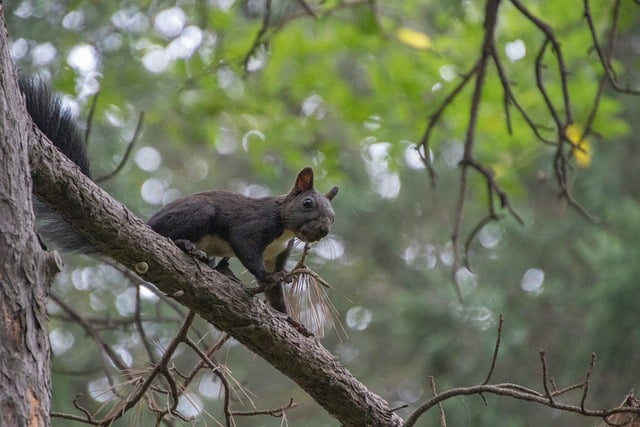
Urban forests are essential for greening cities and improving the quality of life for urban residents. City-based initiatives, such as street tree programs and the creation of vertical gardens and rooftop forests, play a crucial role in expanding urban greenery. For instance, Eugene’s Urban Forestry Department is actively planting street trees to help the city meet its climate goals[1]. Similarly, Portland has seen a 15% increase in street trees compared to previous years, demonstrating a successful urban forestry initiative[2]. In Buchanan, a new foresting plan aims to increase tree coverage, highlighting the growing recognition of the importance of urban forests[3]. Additionally, the Yale School of the Environment has proposed a new roadmap for urban tree planting, emphasizing the need for strategic planning and community involvement in these initiatives[4]. Furthermore, the City of Edmond, OK, focuses on soil health in its urban forest, understanding that healthy soil is fundamental to the success of urban forestry projects[5]. These efforts collectively contribute to more sustainable and livable urban environments.
The implementation of vertical gardens and rooftop forests is another innovative approach to urban greening. These features not only provide aesthetic benefits but also help in reducing urban heat islands, improving air quality, and providing habitats for urban wildlife. By integrating greenery into the vertical spaces of cities, we can maximize the use of limited urban areas while reaping the environmental and social benefits of increased vegetation. As cities continue to grow and face the challenges of climate change, the expansion of urban forests through various initiatives will be crucial in creating resilient and sustainable urban ecosystems.
🏜️ From Sand to Saplings
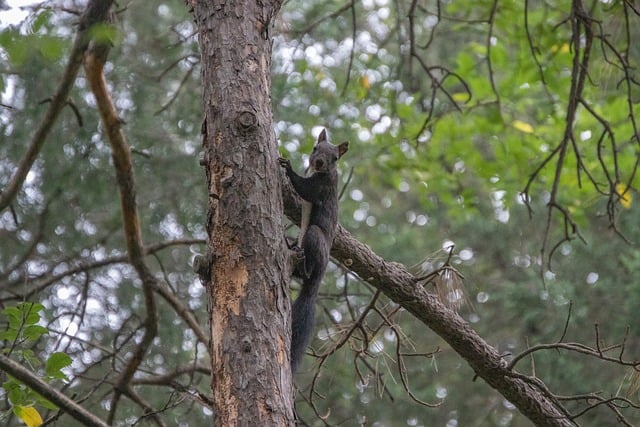
Desert greening, also known as arid land afforestation, is a crucial initiative aimed at combating desertification and restoring degraded landscapes. Through strategic planting of drought-resilient species, these projects not only enhance biodiversity but also improve local water tables and soil quality[1]. China’s extensive desert greening projects have notably altered local water tables, demonstrating the profound impact of such initiatives[1]. In Egypt, efforts to green the desert align with Sustainable Development Goal 2, focusing on zero hunger by improving agricultural productivity in arid regions[2]. NASA has documented spring greening in the Taklamakan Desert, highlighting natural and human-induced changes in vegetation cover[3]. The afforestation of mesquite (Prosopis juliflora) in Iran’s arid areas has shown promising results in biomass production and vegetative growth, underscoring the species’ resilience and adaptability to harsh conditions[4]. The Sahel RESILAND project, supported by the World Bank, aims to scale up sustainable solutions for dryland forests, integrating community-based approaches to ensure long-term success and resilience against climate change[5].
These initiatives collectively contribute to global efforts in mitigating climate change, enhancing ecosystem services, and supporting local communities. By selecting appropriate drought-resilient species and employing innovative techniques, desert greening projects can transform barren lands into thriving ecosystems, offering hope for a more sustainable future.
🌳 Forests in Flux

Photo by erwinbosman on Pixabay
Forests around the world are undergoing significant changes due to various human activities and natural phenomena. Deforestation, driven by logging, agriculture, and urbanization, continues to be a major threat to global forest health[1]. This loss of forest cover not only diminishes biodiversity but also impacts climate regulation and water cycles. Conversely, reforestation efforts are gaining momentum as communities and governments recognize the need to restore degraded lands and enhance carbon sequestration[2]. Projects in regions like the high Andes have shown promising results, demonstrating that with sustained effort, forests can recover and thrive again[3]. Biodiversity within forests is crucial for ecosystem resilience, providing a wide range of services from pollination to pest control. Conservation initiatives are increasingly focusing on protecting mature forests, which are vital for maintaining ecological balance and supporting a diverse array of species[4]. Soil health is another critical factor in forest ecosystems, influencing tree growth and forest productivity. Urban forestry programs are implementing strategies to improve soil conditions, thereby supporting healthier urban forests[5]. As forests remain in flux, balancing deforestation with robust reforestation and conservation efforts will be essential for preserving these vital ecosystems for future generations.
🌍 Nature's Pulse
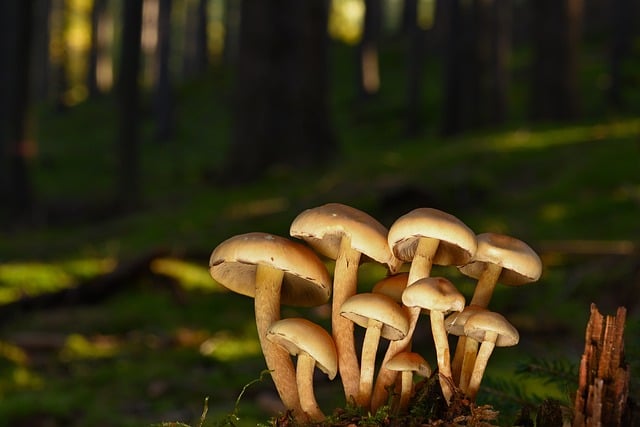
Nature's pulse is increasingly felt through the concerted efforts in climate policies, carbon markets, green technology, and nature-based solutions. The New Jersey Department of Environmental Protection recently awarded nearly $11 million for carbon sequestration projects, highlighting the critical role of natural climate solutions[1]. These initiatives aim to capture and store carbon dioxide from the atmosphere, mitigating the impacts of climate change. Additionally, the demand for nature-based solutions continues to rise, as evidenced by the American Society of Landscape Architects' survey, which shows a growing preference for integrating natural systems into urban planning to combat climate challenges[2].
In the private sector, organizations like KWAP are setting ambitious targets for 2026, focusing on nature-based solutions to enhance resilience and sustainability[3]. Similarly, AstraZeneca is committing to climate action through nature-based solutions, recognizing the potential of natural ecosystems to address environmental issues[4]. Innovative practices such as prescribed burning are also gaining traction, as they help store forest carbon in large, fire-resistant trees, contributing to long-term carbon storage and ecosystem health[5]. These collective efforts underscore the importance of harmonizing human activities with natural processes to sustain the planet's health.
Thank you for reading this week's digest. We'll be back next week with more updates on how nature is shaping our world.