
Hello everyone, and welcome to this week's digest! We're thrilled to share some fantastic news from around the country. Michigan City is gearing up for a green revolution with plans to plant over 500 trees this spring, thanks to a $1 million investment in urban forestry. In Georgia, Dunwoody continues its impressive streak, being named the 2025 Tree City USA for the 14th year running. These stories and more show our communities' commitment to nurturing our urban forests and natural spaces.
This week also brings exciting updates on wetland restoration and watershed conservation. The Nature Conservancy has secured $4.6 million for wetland projects, while the U.S. Fish and Wildlife Service awarded $12.5 million for the Delaware River watershed conservation. Plus, Portland's Urban Forestry initiative, "Black Tree Stories," highlights the rich tapestry of our urban forests. Let's dive in and celebrate these green achievements together!
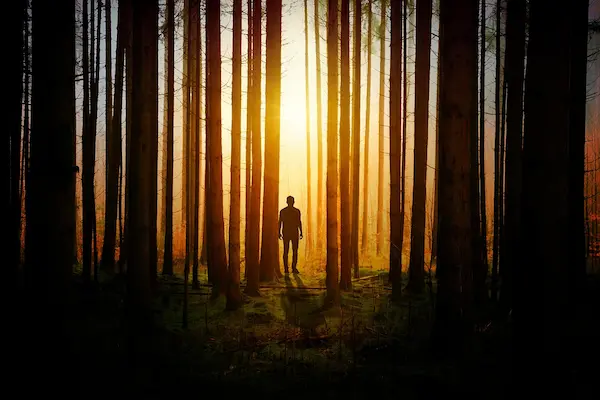
From bustling city streets to vast desert horizons, from dense tropical forests to meandering river basins—trees shape our world in ways both seen and unseen.
How Trees and Vegetation Influence Landscapes Around the World
Trees are the silent architects of our planet's diverse landscapes. In cities, urban trees transform concrete jungles into livable spaces, cooling streets by several degrees, filtering polluted air, and providing refuge for both people and wildlife. Street trees line boulevards, rooftop forests crown skyscrapers, and pocket parks offer green sanctuaries amid the urban rush. These trees are not decoration—they are essential infrastructure keeping cities functional and habitable.
In deserts and arid lands, trees represent triumph over adversity. From hardy acacias dotting the Sahel to mesquite forests thriving in dry riverbeds, these resilient species anchor fragile ecosystems. Trees in desert landscapes prevent soil erosion, create microclimates that support other life, and offer critical shade and sustenance to communities living on the edge. Modern afforestation efforts in China's Gobi Desert and Africa's Great Green Wall demonstrate how strategic tree planting can reclaim degraded land and build resilience against expanding deserts.
Forests cover 31% of Earth's land surface but contain 80% of terrestrial biodiversity—every tree matters for the web of life.
The world's forests—tropical rainforests, temperate woodlands, and boreal coniferous expanses—represent Earth's most complex terrestrial ecosystems. Trees in these forests regulate global climate, generate rainfall through transpiration, sequester vast amounts of carbon, and harbor millions of species. The Amazon rainforest alone produces 20% of the world's oxygen and cycles water across an entire continent. Yet these forests face unprecedented pressures from logging, agriculture, and climate change, making their conservation urgent.
Along rivers, wetlands, and floodplains, riparian trees play specialized roles. They stabilize riverbanks, filter runoff before it reaches waterways, provide shade that keeps streams cool for aquatic life, and create wildlife corridors connecting fragmented habitats. Mangrove forests at coastal edges protect shorelines from storm surges while nursing marine life. These water-linked trees demonstrate how vegetation binds landscapes together, connecting mountains to seas through green threads.
A single mature tree can absorb up to 48 pounds of carbon dioxide per year while producing enough oxygen for two people—multiply this across billions of trees.
The Green Weave Diaries tracks these stories weekly—from innovative urban forestry projects transforming city blocks, to desert greening initiatives pushing back against barren lands, to conservation victories protecting old-growth forests, and policy shifts shaping how we value nature. Each landscape tells a different story about trees, but all share a common thread: vegetation is fundamental to livable, resilient environments. Whether you're reading about a new park in Tokyo, acacia restoration in Kenya's drylands, rainforest protection in Brazil, or restored wetlands in Louisiana, you're witnessing the many ways trees weave the fabric of our world.
This digest brings together these diverse narratives because understanding trees across all landscapes—not just forests—is essential to addressing our interconnected environmental challenges. Climate change, biodiversity loss, water scarcity, and urban livability all tie back to how we manage, protect, and expand tree cover globally. Every week, we synthesize the latest developments so you can see the big picture emerging from these individual stories.
🌆 Urban Forests: Greening the Cities

Urban forests are increasingly becoming a focal point for city-based initiatives aimed at enhancing urban green spaces. These initiatives often include street tree programs, vertical gardens, and rooftop forests, all designed to bring nature into the heart of cities. For instance, Texas cities are actively rebuilding their urban forests, focusing on planting native trees that are well-suited to the local climate[1]. Similarly, Michigan City has committed to planting over 500 trees this spring as part of a $1 million investment in urban forestry[2][5]. This effort not only beautifies the city but also provides numerous environmental benefits, such as improved air quality and reduced urban heat island effects.
Street tree programs are a common approach in many cities, where trees are planted along sidewalks and in public spaces. These programs help increase canopy coverage, which has been shown to have numerous benefits for urban residents. For example, Melbourne has achieved 50% canopy coverage, leading to cooler streets and improved mental health among residents[1]. Vertical gardens and rooftop forests are also gaining popularity as innovative ways to incorporate greenery into urban environments. These green spaces not only provide aesthetic benefits but also contribute to biodiversity and offer recreational areas for city dwellers.
Cities like Dunwoody have been recognized for their urban forestry leadership, marking significant milestones in their commitment to greening urban spaces[3]. Additionally, community-driven initiatives, such as Portland's "Black Tree Stories" project, aim to engage local residents in the process of urban greening, fostering a sense of ownership and community[4]. These diverse approaches to urban forestry demonstrate a growing recognition of the importance of integrating nature into city life, creating more sustainable and livable urban environments.
🏜️ From Sand to Saplings
Photo by Nennieinszweidrei on Pixabay
Desert greening, also known as arid land afforestation, is an innovative approach to combating desertification and promoting ecological balance in some of the world's harshest environments. By introducing drought-resilient species, scientists and environmentalists are transforming barren landscapes into thriving ecosystems. One notable example is the use of shrubs to curb carbon emissions in China’s largest desert[1]. These shrubs not only sequester carbon but also help stabilize the soil, reducing the risk of sandstorms and promoting a more stable environment.
In the Taklamakan Desert, spring greening has been observed, indicating the potential for vegetation to thrive even in extreme conditions[3]. This greening is often facilitated by native species that have adapted to the arid climate, demonstrating the importance of using local flora in afforestation efforts. Additionally, the role of wildlife, such as rattlesnakes, in dispersing seeds and promoting plant growth has been highlighted, showing the interconnectedness of desert ecosystems[2].
Efforts like the Sahel RESILAND project aim to scale up sustainable solutions for dryland forests, focusing on integrating local communities in the process[5]. By involving indigenous knowledge and practices, these projects ensure that the greening efforts are both effective and culturally appropriate. The use of tillage practices and the introduction of grasses have also been shown to aid in soil organic carbon recovery, further enhancing the resilience of these ecosystems[4].
🌳 Forests in Flux
Photo by Gruendercoach on Pixabay
Forests around the world are in a state of flux, grappling with the dual challenges of deforestation and the urgent need for reforestation. Deforestation, driven by agriculture, logging, and urbanization, has led to a significant decline in global forest cover[1]. This loss not only diminishes the Earth's carbon sinks but also threatens biodiversity, as forests are home to more than 80% of terrestrial species[2]. The consequences of deforestation extend beyond environmental impacts, affecting indigenous communities and contributing to climate change.
In response to these challenges, reforestation efforts have gained momentum globally. Organizations and governments are investing in planting trees and restoring degraded lands[3]. For instance, Michigan City has committed to planting over 500 trees as part of a $1 million urban forestry initiative[4]. Similarly, Australia’s green bank has backed an Indigenous-owned reforestation project, highlighting the importance of community-driven conservation efforts[5]. These initiatives not only aim to restore forest ecosystems but also to enhance biodiversity and support local economies.
Urban forestry programs, such as those in Dunwoody, which has been named a Tree City USA for 14 consecutive years, demonstrate the potential for cities to lead in forest conservation[3]. By integrating trees into urban landscapes, these programs improve air quality, provide habitats for wildlife, and offer recreational spaces for residents. The stories of Black communities in urban forestry, as highlighted by Portland’s Albina, further emphasize the cultural and social significance of trees in diverse communities[4].
In conclusion, the health of global forests is a critical issue that requires concerted efforts in both halting deforestation and promoting reforestation. Through strategic investments and community engagement, it is possible to restore forest ecosystems, protect biodiversity, and mitigate the impacts of climate change.
🌍 Nature's Pulse
Photo by u_eynhfovfj6 on Pixabay
Nature's pulse is increasingly felt through the implementation of robust climate policies and innovative green technologies aimed at combating climate change. Central to these efforts are carbon markets, which create financial incentives for reducing greenhouse gas emissions. By allowing companies and countries to trade carbon credits, these markets encourage investment in low-carbon technologies and nature-based solutions[1]. One promising avenue is the use of nature-based climate solutions, such as reforestation and wetland restoration, which not only sequester carbon but also provide additional ecological benefits[2]. For instance, a study found that Canada could remove five times its annual carbon emissions by planting trees on the edge of the boreal forest[3]. Additionally, tropical forests have shown accelerated carbon sequestration when supplemented with nitrogen, highlighting the potential of enhancing natural processes to combat climate change[4]. States and landowners are also getting involved, with programs like forest carbon credits incentivizing sustainable land management practices[5]. As these initiatives gain traction, they contribute to a global effort to synchronize human activity with the natural rhythms of the Earth, ensuring a sustainable future for generations to come.
Thank you for reading this week's digest. We'll be back next week with more updates on how nature is shaping our world.