
Hello everyone, and welcome to this week's digest! We're excited to share some inspiring updates from around the country. First up, the City of Portland, Oregon, is hosting a Pre-Bid Meeting for Urban Forestry Tree Planting and Establishment Services. This is a fantastic opportunity for those interested in contributing to urban green spaces. Over at Yale School of the Environment, they've released a New Roadmap for Urban Tree Planting, offering valuable insights for cities looking to enhance their tree canopies.
Closer to home, the EcoAction 'Spoil the Lagoon' event is making waves by engaging the community in hands-on restoration of lagoon islands. Meanwhile, Scott River has secured a $2.9 Million State Grant for Salmon Restoration, a significant step towards environmental recovery. Lastly, Bloomington, Indiana, continues its commendable efforts to grow and strengthen its Urban Tree Canopy. We hope these stories inspire you as much as they have inspired us. Enjoy the read!
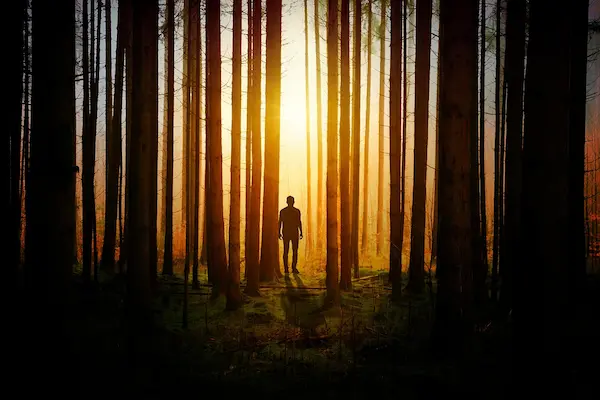
From bustling city streets to vast desert horizons, from dense tropical forests to meandering river basins—trees shape our world in ways both seen and unseen.
How Trees and Vegetation Influence Landscapes Around the World
Trees are the silent architects of our planet's diverse landscapes. In cities, urban trees transform concrete jungles into livable spaces, cooling streets by several degrees, filtering polluted air, and providing refuge for both people and wildlife. Street trees line boulevards, rooftop forests crown skyscrapers, and pocket parks offer green sanctuaries amid the urban rush. These trees are not decoration—they are essential infrastructure keeping cities functional and habitable.
In deserts and arid lands, trees represent triumph over adversity. From hardy acacias dotting the Sahel to mesquite forests thriving in dry riverbeds, these resilient species anchor fragile ecosystems. Trees in desert landscapes prevent soil erosion, create microclimates that support other life, and offer critical shade and sustenance to communities living on the edge. Modern afforestation efforts in China's Gobi Desert and Africa's Great Green Wall demonstrate how strategic tree planting can reclaim degraded land and build resilience against expanding deserts.
Forests cover 31% of Earth's land surface but contain 80% of terrestrial biodiversity—every tree matters for the web of life.
The world's forests—tropical rainforests, temperate woodlands, and boreal coniferous expanses—represent Earth's most complex terrestrial ecosystems. Trees in these forests regulate global climate, generate rainfall through transpiration, sequester vast amounts of carbon, and harbor millions of species. The Amazon rainforest alone produces 20% of the world's oxygen and cycles water across an entire continent. Yet these forests face unprecedented pressures from logging, agriculture, and climate change, making their conservation urgent.
Along rivers, wetlands, and floodplains, riparian trees play specialized roles. They stabilize riverbanks, filter runoff before it reaches waterways, provide shade that keeps streams cool for aquatic life, and create wildlife corridors connecting fragmented habitats. Mangrove forests at coastal edges protect shorelines from storm surges while nursing marine life. These water-linked trees demonstrate how vegetation binds landscapes together, connecting mountains to seas through green threads.
A single mature tree can absorb up to 48 pounds of carbon dioxide per year while producing enough oxygen for two people—multiply this across billions of trees.
The Green Weave Diaries tracks these stories weekly—from innovative urban forestry projects transforming city blocks, to desert greening initiatives pushing back against barren lands, to conservation victories protecting old-growth forests, and policy shifts shaping how we value nature. Each landscape tells a different story about trees, but all share a common thread: vegetation is fundamental to livable, resilient environments. Whether you're reading about a new park in Tokyo, acacia restoration in Kenya's drylands, rainforest protection in Brazil, or restored wetlands in Louisiana, you're witnessing the many ways trees weave the fabric of our world.
This digest brings together these diverse narratives because understanding trees across all landscapes—not just forests—is essential to addressing our interconnected environmental challenges. Climate change, biodiversity loss, water scarcity, and urban livability all tie back to how we manage, protect, and expand tree cover globally. Every week, we synthesize the latest developments so you can see the big picture emerging from these individual stories.
🌆 Urban Forests: Greening the Cities

Photo by balouriarajesh on Pixabay
Urban forests are increasingly becoming a vital component of city planning and development. City-based initiatives aimed at enhancing urban greenery are not only improving the aesthetic appeal of urban landscapes but are also contributing to environmental sustainability. Street tree programs, for instance, have been implemented in various cities to increase canopy coverage and provide numerous ecological benefits[1]. These programs involve the strategic planting of trees along streets and in public spaces to create a more connected and verdant urban environment.
Another innovative approach to urban greening is the integration of vertical gardens and rooftop forests. Vertical gardens, which involve growing plants on vertical surfaces, are particularly beneficial in densely populated urban areas where space is limited[3]. They help in reducing urban heat islands, improving air quality, and providing habitats for urban wildlife. Rooftop forests take this concept a step further by transforming building tops into green spaces. These green roofs not only contribute to biodiversity but also offer insulation, reducing energy costs for buildings[4].
Cities like Portland, Oregon, have taken significant steps towards enhancing their urban forests through dedicated tree planting and establishment services[2]. These efforts are part of a broader strategy to combat climate change, improve public health, and create more livable urban environments. The success of these initiatives relies on community involvement, proper maintenance, and ongoing support from local governments and organizations.
In conclusion, urban forests play a crucial role in the sustainability and livability of cities. Through street tree programs, vertical gardens, and rooftop forests, cities can create greener, more resilient urban environments that benefit both people and the planet[5].
🏜️ From Sand to Saplings

Photo by leadengineers on Pixabay
Desert greening, the process of afforestation in arid lands, presents a promising solution to combat desertification and climate change. By introducing drought-resilient species, these initiatives aim to transform barren landscapes into thriving ecosystems. One notable example is the use of native shrubs in China’s largest desert, which has been shown to curb carbon emissions and improve soil stability[2]. Similarly, efforts in the Sahel region of Africa have demonstrated the potential of sylvopastoral systems, where trees are integrated with grazing lands to enhance biodiversity and provide sustainable livelihoods for local communities[4].
The selection of appropriate species is critical to the success of desert greening projects. Drought-resilient trees and shrubs, such as acacia and mesquite, are often chosen for their ability to survive in harsh conditions with minimal water[1]. These species not only contribute to carbon sequestration but also offer additional benefits such as providing habitat for wildlife and improving soil health. Moreover, the greening of deserts can lead to microclimate changes, making the environment more hospitable for a wider range of plant and animal life[3].
However, it is essential to approach desert greening with caution. Large-scale tree planting in drylands can sometimes result in unintended consequences, such as increased surface warming due to the albedo effect[5]. Therefore, a balanced and scientifically informed strategy is necessary to ensure that these efforts contribute positively to both local ecosystems and global climate goals. By carefully selecting species and monitoring environmental impacts, desert greening can play a vital role in restoring degraded lands and mitigating the effects of climate change.
🌳 Forests in Flux

Global forest health is undergoing significant changes, driven by both negative impacts like deforestation and positive efforts such as reforestation. Deforestation continues to be a critical issue, with vast areas of forest being cleared for agriculture, logging, and urban development[1]. This not only reduces the overall forest cover but also threatens biodiversity, as many species lose their habitats[3]. The loss of forests contributes to climate change, as trees play a crucial role in carbon sequestration[2]. However, there are promising initiatives aimed at reversing these trends. Reforestation projects, such as the one in Madagascar, are creating corridors that reconnect fragmented forests, benefiting both wildlife and local communities[3]. Urban forestry programs, like those proposed in Portland and Inverness, aim to increase canopy coverage in cities, enhancing urban biodiversity and providing environmental benefits[1][5]. Additionally, innovative approaches like selling carbon credits from reforestation projects have gained traction, providing financial incentives for sustainable forest management[2]. These efforts highlight the importance of balancing development with conservation to ensure the long-term health of our forests.
🌍 Nature's Pulse

Photo by Nennieinszweidrei on Pixabay
The global fight against climate change is increasingly turning towards nature-based solutions as a critical component of climate policies. These strategies leverage natural processes to reduce greenhouse gas emissions and enhance carbon sequestration. In Sub-Saharan African cities, for instance, urban greening projects are being implemented to build climate resilience through the integration of nature-based solutions[1]. These initiatives not only help in mitigating the urban heat island effect but also contribute to biodiversity conservation and community well-being.
Carbon markets play a vital role in incentivizing the adoption of green technologies and nature-based solutions. By placing a monetary value on carbon emissions, these markets encourage industries and nations to invest in projects that reduce their carbon footprint. The European Climate, Infrastructure and Environment Executive Agency highlights the importance of nature-based solutions in achieving climate goals, emphasizing their role in enhancing ecosystem services and supporting biodiversity[2].
Green technology is another cornerstone in the battle against climate change. Innovations in renewable energy, energy-efficient buildings, and sustainable transportation are critical in reducing emissions. Additionally, advancements in carbon sequestration technologies, such as those explained by the Department of Energy, offer promising pathways to capture and store carbon dioxide effectively[5].
Tree species diversity is crucial for above-ground carbon sequestration. Research indicates that diverse tree species can enhance carbon storage through variations in light-related traits, which optimize the use of available light and resources[4]. This underscores the importance of maintaining and promoting biodiversity in forest management practices.
In conclusion, a multifaceted approach that includes climate policies, carbon markets, green technology, and nature-based solutions is essential for addressing the complexities of climate change. By harnessing the power of nature and innovation, we can create a more sustainable and resilient future.
Thank you for reading this week's digest. We'll be back next week with more updates on how nature is shaping our world.