
Welcome to this week's digest, where we dive into some fascinating stories about our environment and the innovative ways we're working to protect it. This week, we explore the critical role of trees in cooling our urban landscapes and the surprising findings about where reforestation efforts are most effective. We'll also look at exciting projects aimed at greening deserts and restoring streams, showcasing the power of nature-based solutions.
From the success of tidal wetland restoration in the Netherlands to the importance of trees in African cities, these stories highlight the diverse and impactful ways we can make a difference. Join us as we uncover these inspiring initiatives and the latest research that underscores the value of our natural world. Let's get started!

From bustling city streets to vast desert horizons, from dense tropical forests to meandering river basins—trees shape our world in ways both seen and unseen.
How Trees and Vegetation Influence Landscapes Around the World
Trees are the silent architects of our planet's diverse landscapes. In cities, urban trees transform concrete jungles into livable spaces, cooling streets by several degrees, filtering polluted air, and providing refuge for both people and wildlife. Street trees line boulevards, rooftop forests crown skyscrapers, and pocket parks offer green sanctuaries amid the urban rush. These trees are not decoration—they are essential infrastructure keeping cities functional and habitable.
In deserts and arid lands, trees represent triumph over adversity. From hardy acacias dotting the Sahel to mesquite forests thriving in dry riverbeds, these resilient species anchor fragile ecosystems. Trees in desert landscapes prevent soil erosion, create microclimates that support other life, and offer critical shade and sustenance to communities living on the edge. Modern afforestation efforts in China's Gobi Desert and Africa's Great Green Wall demonstrate how strategic tree planting can reclaim degraded land and build resilience against expanding deserts.
Forests cover 31% of Earth's land surface but contain 80% of terrestrial biodiversity—every tree matters for the web of life.
The world's forests—tropical rainforests, temperate woodlands, and boreal coniferous expanses—represent Earth's most complex terrestrial ecosystems. Trees in these forests regulate global climate, generate rainfall through transpiration, sequester vast amounts of carbon, and harbor millions of species. The Amazon rainforest alone produces 20% of the world's oxygen and cycles water across an entire continent. Yet these forests face unprecedented pressures from logging, agriculture, and climate change, making their conservation urgent.
Along rivers, wetlands, and floodplains, riparian trees play specialized roles. They stabilize riverbanks, filter runoff before it reaches waterways, provide shade that keeps streams cool for aquatic life, and create wildlife corridors connecting fragmented habitats. Mangrove forests at coastal edges protect shorelines from storm surges while nursing marine life. These water-linked trees demonstrate how vegetation binds landscapes together, connecting mountains to seas through green threads.
A single mature tree can absorb up to 48 pounds of carbon dioxide per year while producing enough oxygen for two people—multiply this across billions of trees.
The Green Weave Diaries tracks these stories weekly—from innovative urban forestry projects transforming city blocks, to desert greening initiatives pushing back against barren lands, to conservation victories protecting old-growth forests, and policy shifts shaping how we value nature. Each landscape tells a different story about trees, but all share a common thread: vegetation is fundamental to livable, resilient environments. Whether you're reading about a new park in Tokyo, acacia restoration in Kenya's drylands, rainforest protection in Brazil, or restored wetlands in Louisiana, you're witnessing the many ways trees weave the fabric of our world.
This digest brings together these diverse narratives because understanding trees across all landscapes—not just forests—is essential to addressing our interconnected environmental challenges. Climate change, biodiversity loss, water scarcity, and urban livability all tie back to how we manage, protect, and expand tree cover globally. Every week, we synthesize the latest developments so you can see the big picture emerging from these individual stories.
🌆 Urban Forests: Greening the Cities

Urban forests are becoming a vital component in the effort to green cities and combat the effects of climate change. City-based initiatives are increasingly focusing on expanding urban green spaces through street tree programs, vertical gardens, and rooftop forests. These initiatives not only enhance the aesthetic appeal of urban environments but also provide significant ecological benefits. For instance, street tree programs have been shown to reduce urban heat islands, making cities more livable[1]. Vertical gardens and rooftop forests are innovative solutions that maximize limited space in densely populated areas, contributing to biodiversity and air quality improvement[2]. Cities like Nashville have taken proactive steps by investing in urban forestry programs, aiming to increase canopy coverage and promote sustainable urban development[3]. The financial investment in these green initiatives yields long-term benefits, including reduced energy costs and improved public health[4]. Additionally, urban forests play a crucial role in carbon sequestration, helping to mitigate major carbon emissions[5]. As urban populations continue to grow, the importance of integrating nature into city planning becomes ever more critical.
🏜️ From Sand to Saplings

Desert greening, also known as arid land afforestation, is a crucial strategy to combat desertification and restore degraded landscapes. This approach involves planting drought-resilient species that can thrive in harsh, arid conditions, ultimately transforming barren sands into thriving ecosystems[1]. Successful desert greening projects have shown significant promise in various parts of the world, demonstrating that with the right techniques and species selection, even the most inhospitable environments can support plant life.
One notable example is the implementation of desert greening projects in China’s largest desert, where shrubs have been effectively used to curb carbon emissions and stabilize the soil[2]. These shrubs not only help in carbon sequestration but also create a microclimate that supports the growth of other plant species. Similarly, in the Sahara, climate change has paradoxically led to increased greening, although this is a complex and variable phenomenon[3]. Efforts in Somalia highlight the need for a national afforestation program to address land degradation and improve local livelihoods through strategic tree planting[4].
However, it is essential to approach desert greening with caution. Research indicates that massive tree planting efforts on drylands can sometimes cause more warming due to the albedo effect, where darker tree surfaces absorb more solar radiation than the reflective sand[5]. Therefore, selecting the right species and methods is vital to ensure that greening efforts are both effective and sustainable. By focusing on drought-resilient species and employing techniques that enhance water retention and soil stability, desert greening can play a significant role in mitigating climate change and restoring ecological balance.
🌳 Forests in Flux

Global forest health is a pressing concern as deforestation continues to threaten biodiversity and climate stability. Deforestation, driven by agriculture, logging, and urban expansion, has led to the loss of vast forest areas, disrupting ecosystems and contributing to climate change[1]. However, reforestation efforts are underway to mitigate these impacts. Reforestation projects, such as those initiated by Campbell University along the Cape Fear[2] and urban forestry initiatives in Nashville[3], aim to restore lost habitats and sequester carbon. The location of these projects is crucial, as strategic planting can have a greater effect on climate than the sheer number of trees planted[1]. Collaborative efforts between forest services and states, like the agreement in South Dakota[4], enhance forest management and sustainability. Additionally, programs like Michigan's Qualified Forest Program encourage long-term forest conservation by offering tax incentives for enrollment[5]. These collective actions are vital for preserving forest health, supporting biodiversity, and combating the adverse effects of deforestation.
🌍 Nature's Pulse
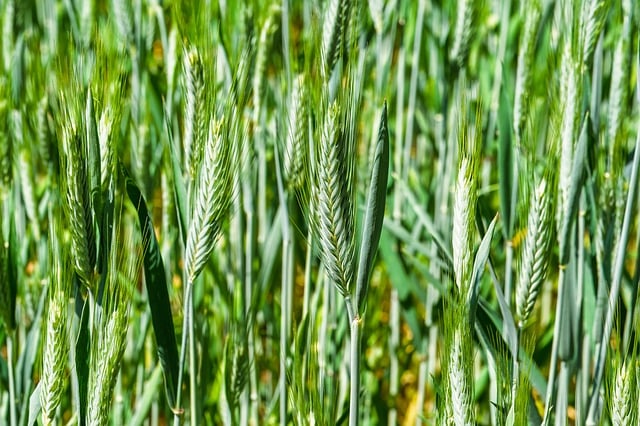
Nature's Pulse is a metaphor for the vital signs of our planet, reflecting the health and balance of ecosystems worldwide. The increasing urgency to address climate change has led to the development of various strategies aimed at mitigating its effects. Climate policies play a crucial role in this effort, as they set the framework for reducing greenhouse gas emissions and promoting sustainable practices. One innovative approach within these policies is the establishment of carbon markets, which allow for the trading of carbon credits. These markets create financial incentives for businesses and nations to reduce their carbon footprints, thereby contributing to global emission reduction goals[1].
Green technology is another cornerstone in the fight against climate change. This encompasses a wide range of innovations, from renewable energy sources like wind and solar power to energy-efficient appliances and electric vehicles. These technologies not only reduce reliance on fossil fuels but also lower overall carbon emissions. Furthermore, nature-based solutions (NBS) have emerged as a complementary strategy. NBS involve working with natural ecosystems to address societal challenges, including climate change. These solutions can include reforestation, wetland restoration, and sustainable agriculture practices, all of which enhance carbon sequestration and biodiversity[2].
The integration of NBS into climate policies is gaining traction, as evidenced by discussions at the LCAW’s Nature-Based Solutions Summit. Experts emphasize the importance of NBS in achieving climate targets while also providing co-benefits such as improved air and water quality, enhanced ecosystem services, and increased resilience to climate impacts[3]. U.S. forests, for instance, are recognized for their significant role in carbon sequestration, highlighting the potential of natural landscapes in combating climate change[4]. Additionally, advancements in carbon sequestration technologies, as explained by the Department of Energy, offer promising avenues for capturing and storing carbon dioxide from the atmosphere, further supporting the goal of reducing global emissions[5].
Thank you for reading this week's digest. We'll be back next week with more updates on how nature is shaping our world.