
Hello everyone, and welcome to this week's digest! We're excited to share some inspiring stories that highlight the positive impact of environmental initiatives. From urban forestry efforts in Oregon to a significant tree planting project in Wilmington, communities are coming together to make a difference. These projects not only enhance our surroundings but also contribute to broader climate goals.
This week, we also dive into the success of river restoration in Mendocino, where efforts have led to a remarkable increase in salmon populations. Additionally, we'll explore the conservation efforts on Mangrove Cay that are boosting local ecosystems. Thank you for joining us as we celebrate these achievements and look forward to more progress in the weeks ahead.
🌆 Urban Forests: Greening the Cities
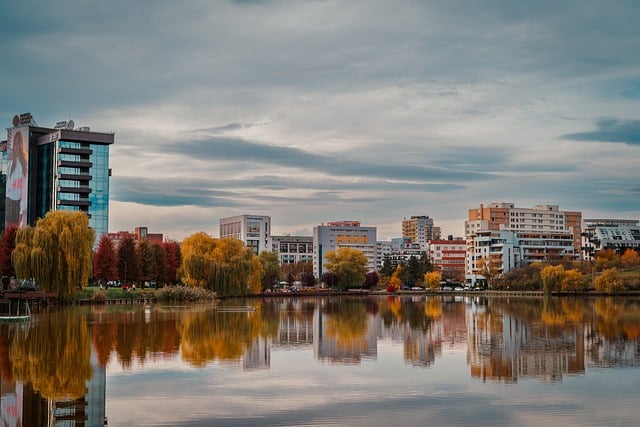
Photo by DragonHilda on Pixabay
Urban forests are becoming increasingly vital in city planning as municipalities worldwide adopt greening initiatives to combat climate change, improve air quality, and enhance urban living environments. City-based initiatives are at the forefront of these efforts, with many municipalities launching street tree programs to increase urban canopy coverage. For instance, Eugene’s Urban Forestry Department has been actively planting street trees to meet city climate goals[1]. Similarly, Portland has seen a 15% increase in street trees compared to previous years, demonstrating a commitment to urban greening[2]. Wilmington has also embarked on a significant tree planting project, guided by a strategy published by a local group[3].
In addition to street tree programs, innovative approaches like vertical gardens and rooftop forests are gaining traction. Vertical gardens, which involve growing plants on vertical surfaces, maximize limited urban space and contribute to reducing the urban heat island effect. Rooftop forests take this concept further by transforming building tops into green spaces, providing numerous environmental and social benefits. California has recognized the importance of these initiatives by offering grants under the Urban and Community Forestry Inflation Reduction Act to support such projects[4]. Statewide efforts, like the tree planting initiative in Harrisburg, further illustrate the collective push towards greener cities[5]. These urban forestry efforts not only beautify cities but also play a crucial role in sustainability and resilience in the face of climate challenges.
🏜️ From Sand to Saplings
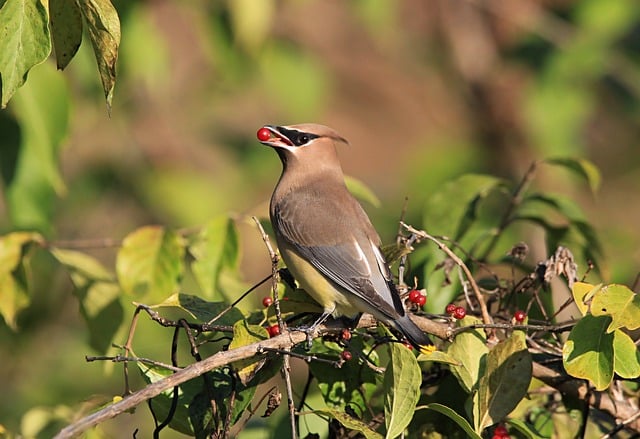
Photo by IndigoBunting on Pixabay
Desert greening, also known as arid land afforestation, is an essential strategy for combating desertification and promoting sustainable land use in dry regions. This process involves the introduction of drought-resilient species to transform barren landscapes into thriving ecosystems. In Egypt, efforts to green the desert have shown promising results, aligning with Sustainable Development Goal 2 (SDG 2) which aims to end hunger and achieve food security[1]. By planting species that can withstand harsh conditions, such as mesquite (Prosopis juliflora), these initiatives not only improve soil quality but also provide habitats for local wildlife[4].
The success of desert greening can be seen in various parts of the world. For instance, climate-driven monsoon rains combined with farming practices have significantly turned parts of the desert green, demonstrating the potential for natural and human-induced changes to coexist[2]. Historical examples, such as the Late Miocene greening of the Peruvian Desert, show that deserts can support lush vegetation under the right conditions[3]. In Rwanda, community-driven tree planting initiatives, often starting at schools, have fostered a culture of environmental stewardship and resilience against drought[5].
These efforts highlight the importance of selecting the right species for afforestation. Drought-resilient trees not only survive but also thrive in arid conditions, providing essential services such as carbon sequestration, soil stabilization, and biodiversity enhancement. As global climate challenges intensify, the role of desert greening in mitigating environmental degradation and supporting local communities becomes increasingly critical.
🌳 Forests in Flux
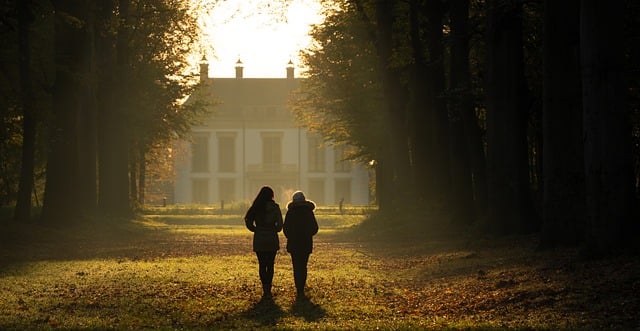
Photo by Rianne_SchillerMclean on Pixabay
Global forest health is a pressing concern, with deforestation posing a significant threat to biodiversity and climate stability. Deforestation, driven by agriculture, logging, and urban expansion, has led to the loss of millions of hectares of forest each year[1]. This not only diminishes the Earth's carbon sinks but also endangers countless species that depend on forest ecosystems[2]. Efforts to combat deforestation include reforestation projects aimed at restoring degraded lands and enhancing forest cover. Organizations around the world are working tirelessly to plant trees, protect existing forests, and promote sustainable land-use practices[3]. Reforestation not only aids in carbon sequestration but also supports biodiversity by creating habitats for wildlife[4]. Additionally, initiatives like Brazil's forest conservation fund demonstrate a commitment to preserving vital ecosystems and combating climate change[5]. These collective efforts are crucial in ensuring the resilience and health of global forests for future generations.
🌍 Nature's Pulse
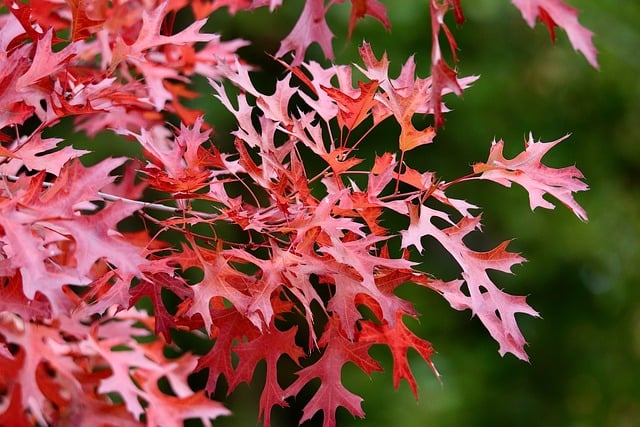
Photo by Nennieinszweidrei on Pixabay
Nature's pulse is a metaphor for the Earth's vital signs, which are increasingly under threat due to climate change. To combat this, robust climate policies are essential. These policies should focus on reducing greenhouse gas emissions, promoting renewable energy, and enhancing energy efficiency. Additionally, carbon markets play a crucial role by allowing companies to buy and sell carbon credits, incentivizing reductions in emissions[1]. Green technology, such as electric vehicles, smart grids, and energy-efficient appliances, is pivotal in reducing our carbon footprint. Innovations in this sector are rapidly evolving, offering more sustainable alternatives to traditional practices[2].
Nature-based solutions (NbS) are emerging as a critical component in the fight against climate change. These solutions involve working with nature to address societal challenges, such as climate mitigation and adaptation. For instance, restoring wetlands can enhance water quality and provide natural flood defenses[3]. Moreover, even dead trees play a significant role in carbon storage, keeping large amounts of carbon out of the atmosphere[4]. Integrating NbS into urban planning, as seen in initiatives like the Gunnar Vingren Park in Belém, demonstrates the potential of green spaces in urban environments to mitigate climate impacts and enhance biodiversity[5]. By combining these strategies, we can create a more resilient and sustainable future for our planet.
Thank you for reading this week's digest. We'll be back next week with more updates on how nature is shaping our world.