
Welcome to this week's digest! We're excited to share some inspiring news from around the country. This week, we've got updates on significant investments in habitat restoration and salmon recovery in California, thanks to the California Department of Fish and Wildlife. In Pennsylvania, the Berks County Conservation District is receiving a substantial grant for watershed restoration, as reported by Berks Weekly. Closer to home, Eugene’s Urban Forestry Department is making strides in planting street trees to meet climate goals, as highlighted by Oregon Public Broadcasting and NPR for Oregonians. Lastly, the City of Charlottesville is planning an Urban Forest Restoration project focusing on invasive plant control. It's a great week for environmental news!
These efforts showcase the dedication and hard work going into preserving and enhancing our natural environments. Whether it's through funding, planting, or restoration, each project plays a crucial role in sustaining our ecosystems. We hope these stories inspire you as much as they inspire us. Stay tuned for more updates and continue to support these vital initiatives.
🌆 Urban Forests: Greening the Cities
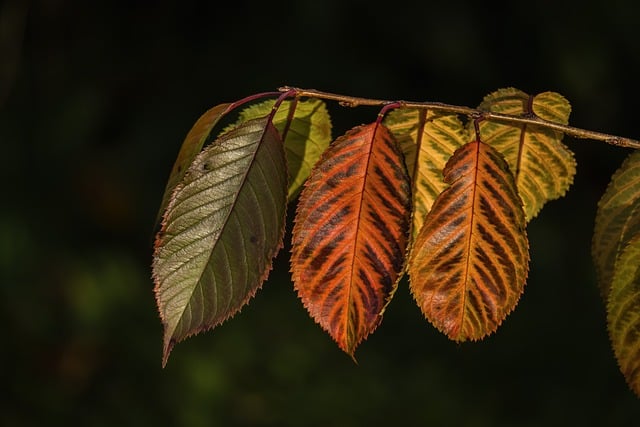
Urban forests are becoming increasingly vital in city planning as municipalities strive to combat climate change, improve air quality, and enhance residents' quality of life. City-based initiatives are at the forefront of these efforts, with many municipalities launching street tree programs to increase urban greenery. For instance, Eugene’s Urban Forestry Department has been actively planting street trees to meet city climate goals[1]. Similarly, Portland has seen a 15% increase in street trees compared to previous years, demonstrating a commitment to greening urban spaces[3].
In addition to street tree programs, vertical gardens and rooftop forests are emerging as innovative solutions to maximize green space in densely populated areas. Vertical gardens, which involve planting vegetation on building walls, not only contribute to aesthetic appeal but also help in reducing urban heat islands and improving air quality. Rooftop forests take this concept further by transforming building tops into lush green areas, providing habitats for wildlife and offering recreational spaces for city dwellers. Charlottesville, VA, is among the cities taking proactive steps toward urban forest restoration, including invasive plant control to ensure the health and sustainability of these green spaces[4].
Long-term planning is crucial for the success of urban forests. Asheville's Urban Forest Master Plan aims to shape its canopy for decades, inviting community input to ensure that the forest meets the needs of both current and future generations[5]. These initiatives not only enhance the environmental sustainability of cities but also foster a stronger connection between urban residents and nature.
🏜️ From Sand to Saplings

Photo by u_miavz69qfh on Pixabay
Desert greening, also known as arid land afforestation, is an essential strategy for combating desertification and promoting sustainable land use in dry regions. This process involves the introduction of drought-resilient species to transform barren landscapes into thriving ecosystems. One notable example is Egypt's efforts to achieve Sustainable Development Goal 2 (SDG 2) through desert greening initiatives[1]. By planting species that can withstand harsh conditions, these projects aim to create a more stable and productive environment.
In addition to Egypt, other regions are experiencing significant changes due to climate-driven monsoon rains and innovative farming techniques. For instance, parts of the Sahara Desert have seen an increase in vegetation, turning previously arid areas into green landscapes[2]. This transformation not only enhances biodiversity but also supports local communities by providing resources and improving soil quality.
Historically, the Peruvian Desert also underwent a greening phase during the Late Miocene epoch, demonstrating that such changes are possible over geological timescales[3]. Modern efforts focus on replicating these natural processes through the careful selection of plant species. Mesquite (Prosopis juliflora), for example, has shown promising results in afforestation projects in Iran due to its ability to thrive in arid conditions and contribute to biomass production[4].
The Sahel region is another critical area where desert greening is making a significant impact. The World Bank's RESILAND project aims to scale up sustainable solutions for dryland forests, focusing on resilience and long-term ecological balance[5]. By integrating local knowledge with scientific research, these initiatives are paving the way for a greener future in some of the world's most challenging environments.
🌳 Forests in Flux

Global forest health is undergoing significant changes due to various factors, including deforestation, reforestation, and the preservation of biodiversity. Deforestation, driven by agricultural expansion, logging, and urbanization, continues to pose a severe threat to forest ecosystems worldwide[1]. This loss of forest cover not only diminishes the Earth's carbon sinks but also endangers countless species that depend on these habitats[2]. In response, reforestation efforts are gaining momentum as a critical strategy to restore degraded lands and enhance carbon sequestration[3]. Cities like Eugene are taking proactive steps by planting street trees to mitigate climate change impacts and improve urban air quality[4]. Moreover, the recognition of forests as allies to farms, as highlighted in a UN report, underscores the importance of integrating forest conservation with agricultural practices to foster sustainable land use[5]. The restoration of urban forests, such as the initiative in Charlottesville to control invasive plants, demonstrates a commitment to maintaining biodiversity and ecosystem services in urban environments[3]. As global initiatives and local actions converge, the future of forest health hinges on balancing human needs with the preservation of these vital natural resources.
🌍 Nature's Pulse

Nature's Pulse is a metaphor for the Earth's vital signs, which are increasingly affected by climate change. To combat this, various climate policies have been implemented globally, aiming to reduce greenhouse gas emissions and promote sustainable practices. One effective approach is the establishment of carbon markets, where carbon credits are traded, incentivizing businesses and countries to lower their carbon footprint[1]. Additionally, green technology plays a crucial role in this fight, with innovations like renewable energy sources, electric vehicles, and energy-efficient appliances significantly reducing emissions[2].
Nature-based solutions (NbS) are emerging as a complementary strategy to technological interventions. NbS involve using natural processes to address societal challenges, such as climate change, by protecting, sustainably managing, and restoring natural ecosystems[3]. For instance, prescribed burning in forests not only helps in managing wildfire risks but also stores carbon in large, fire-resistant trees, contributing to carbon sequestration[4]. Moreover, carbon capture forestry, though growing slowly, presents a promising avenue for long-term carbon storage[5].
The United Nations Economic Commission for Europe (UNECE) has launched guidance to harness NbS for sustainable infrastructure, emphasizing the integration of natural ecosystems into urban planning and development projects[2]. This approach not only mitigates climate change but also enhances biodiversity, improves water management, and provides recreational spaces for communities. As we move forward, a combination of robust climate policies, innovative green technologies, and nature-based solutions will be essential in maintaining Nature's Pulse and ensuring a sustainable future for all.
Thank you for reading this week's digest. We'll be back next week with more updates on how nature is shaping our world.