
Hello everyone, and welcome to this week's digest! We're excited to share some inspiring news from around the world. From urban forestry initiatives to river restoration projects, there's a lot happening in the realm of conservation and sustainability. Whether you're a seasoned environmentalist or just starting to explore these topics, we hope you find something here that resonates with you.
This week, we're highlighting efforts like Eugene’s Urban Forestry Department planting street trees to meet city climate goals, updates on a river restoration project, and the acquisition of conservation properties. Plus, we're excited to see international collaborations like IUCN Med and Fundación Moeve joining forces for wetland restoration in Andalusia. Closer to home, Portland properties can now benefit from a free tree giveaway. Thank you for joining us on this journey towards a greener, more sustainable future!
🌆 Urban Forests: Greening the Cities
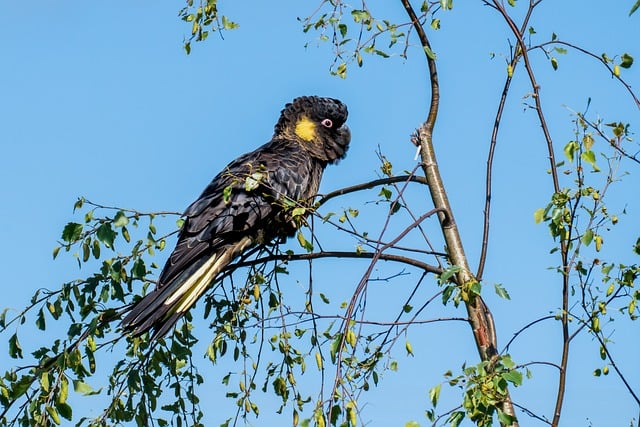
Photo by ChiemSeherin on Pixabay
Urban forests are becoming increasingly vital in the effort to green our cities. City-based initiatives are at the forefront of this transformation, with many municipalities launching comprehensive street tree programs. For instance, Eugene’s Urban Forestry Department is actively planting street trees to help meet the city's climate goals[1]. Similarly, Portland has introduced a free tree giveaway program, encouraging property owners to contribute to the urban canopy[2][5]. These programs not only enhance the aesthetic appeal of urban landscapes but also provide numerous environmental benefits, such as reducing air pollution and mitigating the urban heat island effect.
In addition to street tree programs, vertical gardens and rooftop forests are emerging as innovative solutions to incorporate greenery into urban environments. Vertical gardens, which involve growing plants on vertical surfaces, maximize space in densely populated areas. Rooftop forests take this concept further by transforming building tops into lush, green spaces. These initiatives not only contribute to biodiversity but also offer residents recreational areas and improve mental well-being. Wausau’s urban forestry efforts, which include a significant grant for ash-removal and tree protection, highlight the commitment to strengthening urban forests[3]. Asheville is also rebooting its Urban Forest Master Plan to ensure sustainable growth and management of its green spaces[4]. Through these combined efforts, cities are paving the way toward a greener, more sustainable future.
🏜️ From Sand to Saplings

Desert greening, also known as arid land afforestation, is an innovative approach aimed at transforming barren desert landscapes into thriving ecosystems. This process involves the introduction of drought-resilient species that can survive and flourish in harsh, arid conditions. One notable example is Egypt's efforts to green the desert as part of its commitment to Sustainable Development Goal 2 (SDG 2)[1]. By planting species that require minimal water and can withstand extreme temperatures, these initiatives not only combat desertification but also provide essential habitats for wildlife and contribute to carbon sequestration.
In addition to Egypt, other regions are experiencing significant greening due to climate-driven changes and human intervention. For instance, the Sahel region has seen an increase in vegetation cover, partly attributed to improved monsoon rains and sustainable farming practices[2]. The introduction of native and drought-resistant trees has played a crucial role in this transformation, stabilizing soils and reducing erosion. Furthermore, educational programs in countries like Rwanda are instilling the importance of tree planting in young students, ensuring the continuation of these vital practices[4].
Historically, deserts have not always been barren. The Late Miocene period saw the greening of what is now the Peruvian Desert, illustrating that such transformations are possible over geological timescales[3]. Today, modern techniques and global cooperation are accelerating these changes, offering hope for the restoration of arid lands worldwide. Initiatives like the World Bank's Sahel RESILAND project are scaling up sustainable solutions to enhance dryland forests, demonstrating the potential for large-scale impact[5].
🌳 Forests in Flux
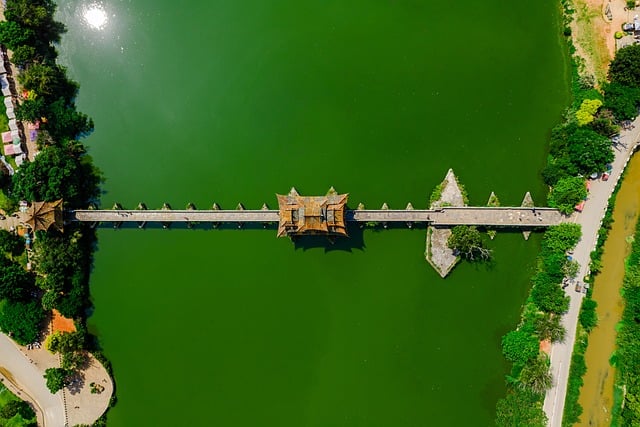
Forests in Flux highlights the dynamic and often precarious state of global forest health. Deforestation continues to be a significant issue, driven by agricultural expansion, logging, and urbanization[1]. This loss of forest cover not only diminishes biodiversity but also exacerbates climate change by reducing the planet's capacity to absorb carbon dioxide[2]. However, there are concerted efforts to counteract these trends through reforestation and afforestation projects. Organizations and governments are increasingly investing in planting trees and restoring degraded lands to rebuild forest ecosystems[3]. Urban forestry initiatives, such as those in Eugene and Portland, demonstrate the commitment to enhancing urban green spaces, which contribute to climate goals and improve urban biodiversity[4][5]. These efforts are crucial for maintaining ecological balance and supporting the myriad species that depend on forest habitats. The challenge lies in scaling these initiatives to match the rate of deforestation and ensuring that reforestation efforts are sustainable and ecologically sound.
🌍 Nature's Pulse
Nature's Pulse is a metaphor for the Earth's response to climate change, and it's increasingly urgent. Effective climate policies are essential to mitigate the impacts of global warming. These policies should focus on reducing greenhouse gas emissions, promoting renewable energy, and enhancing carbon sequestration. Nature-based solutions, such as reforestation and wetland restoration, play a crucial role in this effort. For nature-based climate solutions to work, they must be restructured to ensure long-term effectiveness and resilience[1].
Carbon markets are another vital component in the fight against climate change. They create financial incentives for companies and countries to reduce their carbon footprints. By putting a price on carbon, these markets encourage the adoption of green technologies and practices. Moreover, carbon markets can fund nature-based projects, such as forest conservation and soil carbon sequestration, which help remove CO2 from the atmosphere[2].
Green technology is rapidly advancing, offering innovative solutions to reduce emissions and adapt to climate impacts. From electric vehicles to smart grids, these technologies are essential for a sustainable future. Additionally, nature-based solutions like mangrove restoration and urban greening provide natural buffers against extreme weather events and enhance biodiversity[3].
Recent studies highlight the significant role of natural ecosystems in carbon storage. For instance, dead trees continue to store carbon, preventing it from entering the atmosphere[4]. Furthermore, soils and oceans are critical carbon sinks that must be protected and enhanced through sustainable practices[5]. By integrating climate policies, carbon markets, green technology, and nature-based solutions, we can harmonize Nature's Pulse with the needs of a changing world.
Thank you for reading this week's digest. We'll be back next week with more updates on how nature is shaping our world.