
Welcome to this week's digest, where we bring you the latest and most exciting developments in environmental conservation and urban greening initiatives across the country. This week, we have some fantastic news to share, from river restoration projects to urban tree planting efforts and innovative conservation plans. Whether you're a seasoned environmentalist or just starting to explore the world of green initiatives, there's something here for everyone.
In our digest, you'll find updates on the $1.3 Million Iowa River Restoration Project, Eugene’s Urban Forestry Department’s efforts to plant street trees, and the Texas Resilient Landscapes Initiative’s $3.2 million in reforestation funding. We’ll also delve into a new roadmap for urban tree planting from Yale School of the Environment and the approval of a new 15-year conservation plan for the Chesapeake Bay watershed states. Let's dive in and explore these inspiring projects together!
🌆 Urban Forests: Greening the Cities
Urban forests are becoming increasingly important in city planning as municipalities strive to create greener, more sustainable environments. City-based initiatives are at the forefront of this movement, implementing various programs to enhance urban greenery. One notable example is the street tree program, where cities like Eugene and Portland are actively planting trees along streets to achieve climate goals and improve air quality[1][2]. These programs not only beautify the urban landscape but also provide crucial environmental benefits such as reducing the urban heat island effect and sequestering carbon dioxide.
In addition to street tree programs, vertical gardens and rooftop forests are gaining traction as innovative solutions for incorporating nature into dense urban areas. Vertical gardens, which involve growing plants on walls, maximize space utilization and contribute to biodiversity[3]. Rooftop forests take this concept further by transforming building tops into lush green spaces. These initiatives not only enhance aesthetic appeal but also offer significant environmental advantages, including improved insulation, reduced stormwater runoff, and increased habitat for urban wildlife[4]. As cities continue to expand, these greening efforts are essential for creating resilient, livable urban environments.
🏜️ From Sand to Saplings

Desert greening, also known as arid land afforestation, is an essential strategy to combat desertification and enhance ecological stability in dry regions. By introducing drought-resilient species, these initiatives aim to transform barren landscapes into thriving ecosystems. One notable example is Egypt's progress towards Sustainable Development Goal 2, which includes significant efforts in desert greening[1]. The use of native and adapted plant species ensures that these new forests can withstand harsh conditions, promoting biodiversity and providing habitats for wildlife.
In regions like the Thar Desert in India, the introduction of species such as Prosopis juliflora has shown promising results[4]. These trees not only survive in extreme conditions but also contribute to soil stabilization and carbon sequestration. Similarly, the greening of the Peruvian Desert during the Late Miocene epoch demonstrates the potential for long-term ecological transformation[3]. Modern afforestation projects draw inspiration from such historical changes, aiming to replicate natural processes through human intervention.
Community involvement is crucial for the success of these projects. In Rwanda, tree planting initiatives begin at schools, fostering a culture of environmental stewardship from a young age[5]. This grassroots approach ensures that local populations are invested in the sustainability of these greening efforts. Additionally, the recent climate-driven monsoon rains in some desert regions have provided unexpected opportunities for farming and natural regreening, further aiding these efforts[2].
🌳 Forests in Flux

Photo by Marjonhorn on Pixabay
Global forest health is a pressing concern as deforestation continues to threaten biodiversity and ecological balance. Forests, which cover about 31% of the Earth's land area, are essential for carbon sequestration, climate regulation, and supporting wildlife habitats[1]. However, the rate of deforestation, primarily driven by agricultural expansion, logging, and urbanization, has led to significant losses in forest cover. For instance, the Amazon rainforest, often referred to as the "lungs of the Earth," has experienced alarming rates of deforestation, impacting not only local ecosystems but also global climate patterns[2].
Efforts to combat deforestation and promote reforestation are critical for restoring forest health. Reforestation projects, such as those funded by initiatives like the Texas Resilient Landscapes Initiative, aim to replant trees and restore degraded lands[3]. These projects not only help in carbon capture but also in revitalizing local ecosystems and supporting biodiversity. Additionally, innovative financing methods, such as utilizing non-timber forest products, are being explored to fund reforestation efforts sustainably[4].
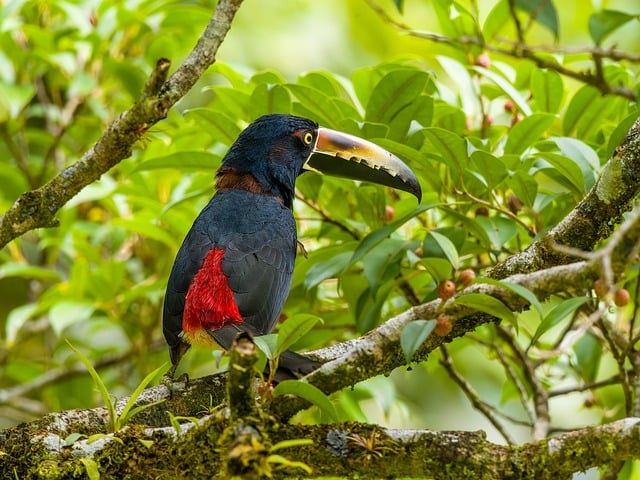
Biodiversity within forests is equally crucial. Healthy forests are home to a vast array of species, many of which are yet to be discovered. The interplay between forest management practices and wildlife, including birds, highlights the need for careful consideration in reforestation and conservation efforts[5]. Ensuring that reforestation projects are ecologically sound and promote native species diversity is essential for the long-term health of forest ecosystems.
🌍 Nature's Pulse

Photo by chentusoul on Pixabay
Nature's pulse, the rhythmic and vital life force of our planet, is increasingly under threat from human activities. To counter the adverse effects of climate change, a multifaceted approach is essential. Climate policies play a pivotal role in steering nations toward sustainable practices. These policies can incentivize the adoption of green technologies and nature-based solutions, which are crucial for mitigating climate impacts[1]. Carbon markets, another critical tool, enable the trading of carbon credits, providing economic incentives for reducing greenhouse gas emissions[2]. By valuing carbon reduction, these markets encourage industries to invest in cleaner technologies and practices.
Green technology is at the forefront of combating climate change. Innovations such as renewable energy sources, energy-efficient appliances, and electric vehicles are reducing our carbon footprint[3]. Additionally, nature-based solutions, which involve working with natural ecosystems to address climate challenges, are gaining traction. Techniques like reforestation, wetland restoration, and prescribed burning not only sequester carbon but also enhance biodiversity and resilience against natural disasters[4][5]. For instance, large trees in the Peruvian Amazon dominate carbon storage, highlighting the importance of preserving these natural carbon sinks[5].
To ensure the effectiveness of nature-based solutions, they must be carefully structured and monitored. Biophysical monitoring plays a crucial role in turning data into actionable insights, allowing for the assessment and improvement of these initiatives[3]. As we move forward, integrating climate policies, carbon markets, green technology, and nature-based solutions will be key to sustaining Nature's pulse and ensuring a healthier planet for future generations.
Thank you for reading this week's digest. We'll be back next week with more updates on how nature is shaping our world.