
Hello everyone! Welcome to this week's digest, where we highlight some amazing efforts to protect our environment. We're excited to share updates on initiatives that are making a real difference. From New Jersey's significant investment in carbon sequestration projects to New Orleans' creative approach to recycling Christmas trees for wetland restoration, there's a lot to celebrate.
This week, we also feature Eugene’s Urban Forestry Department working towards city climate goals with new street tree plantings, Gas Malaysia's commitment to coastal conservation through mangrove tree planting, and a fascinating study on how China’s desert greening projects are impacting its water table. Let’s dive in and learn more about these inspiring projects!
🌆 Urban Forests: Greening the Cities
Urban forests are becoming a vital part of city planning and climate action. City-based initiatives are increasingly focusing on expanding green spaces within urban environments. For instance, Eugene’s Urban Forestry Department is actively planting street trees to meet city climate goals[1]. Similarly, the Street Tree Equity Project in Raleigh aims to ensure equitable distribution of street trees across neighborhoods[3]. These programs not only enhance the aesthetic appeal of cities but also contribute to reducing urban heat islands and improving air quality.
Innovative approaches like vertical gardens and rooftop forests are gaining traction. Vertical gardens, which involve growing plants on building walls, maximize space usage in densely populated areas. Rooftop forests take this concept further by transforming building tops into lush green spaces. These initiatives help in sequestering carbon, providing habitats for urban wildlife, and offering residents recreational areas[2]. Cities like York are engaging communities in deciding where street trees should be planted, fostering a sense of ownership and involvement in urban greening efforts[4].
The Yale School of the Environment has proposed a new roadmap for urban tree planting, emphasizing the need for strategic planning and community engagement[5]. This approach ensures that urban forests are not only beneficial for the environment but also enhance the quality of life for city dwellers. As more cities adopt these greening strategies, the vision of lush, sustainable urban forests becomes increasingly attainable.
🏜️ From Sand to Saplings

Desert greening, also known as arid land afforestation, is an innovative approach aimed at transforming barren desert landscapes into thriving ecosystems. This process involves the introduction of drought-resilient species that can survive and flourish in harsh, arid conditions. One notable example is China’s desert greening projects, which have significantly altered the country's water table and contributed to a reduction in desertification[1]. These projects focus on planting native and adapted species that require minimal water, ensuring sustainability in the long term.
In Egypt, efforts to green the desert are aligned with the Sustainable Development Goals (SDGs), particularly SDG 2, which aims to end hunger and improve food security[2]. By cultivating drought-resistant crops and trees, these initiatives not only combat desertification but also provide local communities with sustainable food sources and economic opportunities. Similarly, NASA has documented spring greening in the Taklamakan Desert, where seasonal changes and human interventions have led to temporary but significant vegetation growth[3].
Another remarkable method is the Farmer Managed Natural Regeneration (FMNR) technique pioneered by Tony Rinaudo. This approach involves regenerating trees from existing root systems rather than planting new ones, which has proven highly effective in the Sahel region[4]. The World Bank’s RESILAND project in the Sahel further emphasizes scaling up sustainable solutions for dryland forests, promoting resilience against climate change and supporting local biodiversity[5]. These collective efforts underscore the potential of desert greening to restore ecosystems, enhance biodiversity, and support sustainable livelihoods in some of the world’s most challenging environments.
🌳 Forests in Flux
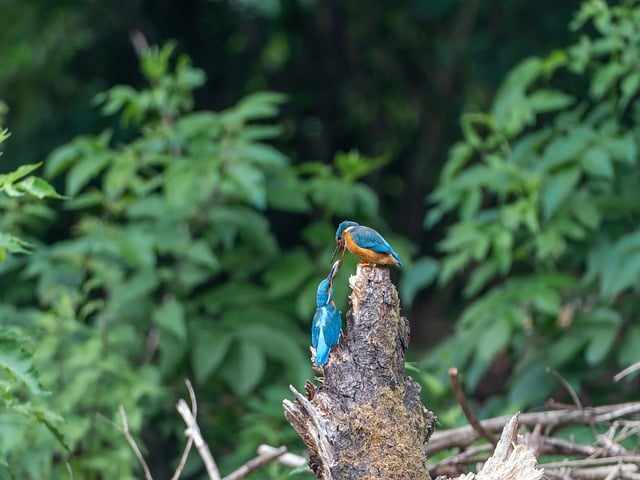
Photo by Gruendercoach on Pixabay
Global forest health is undergoing significant changes due to various human activities and natural phenomena. Deforestation, driven by agriculture, logging, and urbanization, continues to be a major threat to forest ecosystems worldwide[1]. This loss of forest cover not only diminishes biodiversity but also impacts climate regulation and water cycles. In response, reforestation efforts are gaining momentum. Initiatives like the Texas Resilient Landscapes Initiative are providing substantial funding to restore degraded lands and enhance forest resilience[2]. Urban forestry programs, such as those in Eugene, Oregon, are planting street trees to mitigate climate impacts and improve urban air quality[1]. Biodiversity within forests is crucial for ecosystem stability, offering a myriad of services from carbon sequestration to supporting wildlife habitats. Conservation easements and education grants, like those awarded by the Ohio Forestry Association Foundation, play a vital role in protecting forests and promoting sustainable practices[4][5]. Ensuring the health and sustainability of forests requires a balanced approach of protection, restoration, and education to preserve these vital ecosystems for future generations.
🌍 Nature's Pulse

The heartbeat of our planet, often referred to as "Nature's Pulse," is increasingly feeling the strain of human activity. To counteract this, global efforts are intensifying in the realms of climate policies, carbon markets, green technology, and nature-based solutions. Governments and organizations are channeling funds into carbon sequestration projects. For instance, New Jersey has awarded nearly $11 million for such initiatives through its Natural Climate Solutions Grant Program[1]. These projects aim to capture and store carbon dioxide, a major greenhouse gas, thereby mitigating climate change.
In tandem with these efforts, carbon markets are gaining traction as a mechanism to reduce global carbon emissions. These markets allow companies and countries to buy and sell carbon credits, incentivizing reductions in emissions. Alongside this, green technology is revolutionizing industries, offering cleaner and more efficient alternatives to traditional practices. Renewable energy sources like wind and solar are becoming more prevalent, reducing reliance on fossil fuels.
Moreover, nature-based solutions (NbS) are emerging as a critical component in the fight against climate change. These solutions harness the power of natural ecosystems to address societal challenges. For example, restoring wetlands not only enhances biodiversity but also acts as a carbon sink and provides natural flood defenses[2]. Tools like the one developed by Deltares are aiding in the rapid design of such solutions, ensuring they are effective and scalable[3].
Additionally, initiatives like the fruit tree carbon trade allow farmers to measure and monetize the carbon sequestration benefits of their trees[5]. This not only provides an income stream for farmers but also encourages the planting of more trees, further enhancing carbon capture. As the World Business Council for Sustainable Development highlights, NbS are not just about environmental benefits; they also offer economic and social advantages, making them a holistic approach to sustainability[4].
Thank you for reading this week's digest. We'll be back next week with more updates on how nature is shaping our world.