Tree conservation encompasses a wide range of activities: from protecting ancient forests to maintaining urban street trees, from monitoring tree health with satellites to engaging communities in local stewardship. At its core, tree conservation recognizes that trees are not just decoration—they are critical infrastructure for life on Earth.
Definition and Core Principles
Tree conservation means protecting trees so they can grow, stay healthy, and live for a long time. It is not just about planting new saplings. It is about caring for the trees that already exist. Many people join tree planting drives, but how many check if those young plants survive after a few months? Real conservation begins after planting. It includes watering, protecting roots, preventing damage, and making sure a tree grows safely into adulthood.
At the heart of tree conservation is protection and prevention. Large, mature trees are especially important. A fully grown tree gives deep shade, supports birds and insects, improves air quality, and cools the surrounding area. When roads are widened or buildings are constructed, trees often suffer. Their roots get damaged, soil becomes hard, and water flow changes. Most tree loss happens because of human activity. If we prevent unnecessary cutting and reduce damage during construction, many trees can live much longer.
Tree conservation also means understanding how trees live. Trees need healthy soil, enough space for roots, proper sunlight, and regular water. They show signs when they are stressed, such as yellowing leaves or thinning branches. If we pay attention early, we can help them recover. In simple words, tree conservation is a long term responsibility. It is about asking ourselves whether the trees we see today will still be standing strong years from now.
Why It Matters
Tree conservation matters because trees quietly support almost every form of life on land. They clean the air we breathe, cool the streets we walk on, and hold the soil beneath our feet. Yet we rarely stop to think about how deeply we depend on them. In growing cities, temperatures are rising as concrete absorbs heat and roads trap warmth. A single large tree can lower the surrounding temperature by several degrees. Now imagine an entire street lined with healthy trees. The difference shapes how people walk, work, and live outdoors. Trees also protect water systems. Their roots hold soil in place during heavy rains. Without them, soil washes away, drains clog, and floods become more severe. Have you noticed how areas with fewer trees flood faster after a storm? That is not accidental.
On a global level, trees help regulate climate by absorbing carbon dioxide and storing it in their trunks, branches, and roots. While planting new trees is valuable, protecting mature trees has an even greater impact because older trees store far more carbon than young saplings. Tree conservation also protects biodiversity. Birds nest in branches, insects live in bark, and small mammals find shelter in tree canopies. When a tree is removed, an entire living network disappears. There is also a human side to this. People feel calmer in tree lined spaces. Patients recover faster when they can see greenery. Children play longer in shaded parks. Once a mature tree is gone, it cannot be replaced in our lifetime. Protecting trees today is about creating stable, livable communities for the future.
Historical Background
Tree conservation is not a new idea. For centuries, communities around the world have protected trees because their survival was closely linked to human life. In many traditional cultures, certain trees were treated as sacred. They were not cut for fuel or timber. These trees gave shade to travelers, supported local water sources, and became gathering spaces for villages. People may not have used the modern term “conservation,” but they clearly understood that protecting trees meant protecting their own future.
In the last two hundred years, rapid urban growth and industrial development changed this relationship. Large scale deforestation began to affect rainfall, soil health, and local climate. This led to the first organized efforts to protect forests and urban trees. Governments introduced forest laws, cities started planning green spaces, and citizens’ movements began saving trees from being cut. Today, tree conservation has grown into a global effort that combines traditional wisdom, scientific research, and modern technology. The goal remains the same as it was long ago: to ensure that trees continue to support life on Earth.
Key Insight: Modern tree conservation combines traditional forestry with cutting-edge technology like satellite monitoring and AI-driven health prediction.
Global Context
Across the world, tree conservation has become a shared responsibility because the benefits of trees do not stop at national borders. Forests influence rainfall patterns, store massive amounts of carbon, protect wildlife, and support the livelihoods of millions of people. When large areas lose tree cover, the effects are felt far away through rising temperatures, extreme weather, and loss of biodiversity. This is why many countries now work together to protect and restore tree cover, both in natural forests and in growing cities.
Global efforts such as the United Nations Sustainable Development Goals, large scale reforestation programs, and international climate agreements all recognize the importance of trees. Movements to restore degraded land, plant native species, and increase urban green cover are gaining momentum in many regions. At the same time, scientists are using satellite data and long term monitoring to understand where trees are growing, where they are under stress, and how conservation efforts are working. This global focus sends a clear message. Protecting trees is not just a local environmental activity. It is a key step in securing a stable climate and a healthy planet for future generations.
Why Trees Matter More Than We Realize
Trees are ecological powerhouses. A single mature tree can produce enough oxygen for two people annually, sequester up to 48 pounds of carbon dioxide per year, and intercept thousands of gallons of stormwater.
Ecological Impact
Trees stand at the heart of ecological systems, linking soil, water, air, and living organisms into one continuous cycle. Their roots hold the ground together and prevent erosion, while their leaves release moisture into the atmosphere, helping to shape local rainfall and moderate temperatures. A single mature tree functions as a living habitat. Birds nest in its branches, insects shelter in its bark, fungi grow around its roots, and countless microorganisms depend on the organic matter it returns to the soil. This creates a balanced, self sustaining environment where each form of life supports another. When a tree is removed, this delicate network is disturbed, and the impact spreads far beyond the space it once occupied.
Trees also play a major role in building healthy soil and managing water. Fallen leaves decompose into nutrients, enriching the ground and supporting new plant life. Deep root systems open pathways for rainwater to move into the earth, recharging groundwater and reducing surface runoff. In cities, their ecological value becomes even more visible. They act as small but vital shelters for birds and pollinators, filter dust from the air, soften noise, and create green connections between fragmented habitats. Conserving trees therefore means protecting entire living systems. When we protect one tree, we protect the life above it, the soil below it, and the environmental balance around it.
Water Cycle Regulation
Trees play a quiet but powerful role in regulating the water cycle. Their roots act like natural sponges, absorbing rainwater and allowing it to move slowly into the soil instead of rushing across the surface. This reduces flooding, prevents soil erosion, and helps recharge groundwater. In areas without trees, rainwater often becomes runoff that carries away fertile topsoil and overwhelms drainage systems. When tree cover is present, the same rainfall is stored, filtered, and released gradually, keeping the land moist for longer periods and supporting nearby vegetation.
Trees also return water to the atmosphere through a process called transpiration. Water absorbed by the roots travels up through the trunk and is released as moisture from the leaves. This invisible flow helps form clouds, supports local rainfall patterns, and cools the surrounding air. In urban areas, this natural cooling effect reduces heat and improves humidity balance. By slowing down water loss, improving groundwater recharge, and contributing to rainfall cycles, trees act as living regulators of water. Conserving them means protecting one of the most important natural systems that keeps landscapes stable and cities livable.
Soil Protection and Formation
Trees play a quiet but powerful role in holding the soil together. Their roots spread deep and wide, binding the soil and preventing it from being washed away by rain or blown away by strong winds. In places without enough tree cover, fertile topsoil is often the first to disappear. This thin upper layer is where most nutrients and microorganisms live. When it is lost, the land becomes dry, hard, and less productive. By simply standing in one place and growing over the years, trees act like natural protectors of the ground beneath our feet.
Trees also help in the slow creation of new soil. Fallen leaves, small branches, and organic matter collect around their base and slowly break down. This process adds nutrients to the earth and improves its ability to hold water. The shade from the tree keeps the soil cool and prevents it from drying out too quickly. Tiny life forms such as insects, fungi, and microbes thrive in this rich layer and make the soil even more fertile. In this way, trees do not just protect soil from damage. They help build healthy living soil that can support other plants, crops, and entire ecosystems.
Urban Cooling Effect
Cities are often much hotter than the surrounding countryside because of concrete, asphalt, glass, and metal surfaces that absorb and store heat during the day. This is known as the urban heat island effect. Trees help reduce this heat in a natural and powerful way. Their shade blocks direct sunlight from falling on roads, buildings, and parked vehicles, which keeps these surfaces much cooler. At the same time, trees release moisture into the air through their leaves, and this process lowers the surrounding temperature. Even a single large tree can make a noticeable difference to how a street feels on a hot afternoon.
When many trees are planted and protected across a city, the cooling effect becomes much stronger. Shaded neighborhoods need less air conditioning, which reduces energy use and air pollution. Cooler streets are more comfortable for walking and cycling, and they are safer for children and older people during heat waves. In a warming world, urban trees are not just for beauty. They are a simple and effective solution that helps cities stay livable, healthy, and climate resilient.
Biodiversity Hubs
A single tree is not just a tree. It is a living home for many forms of life. Birds build nests in its branches, insects live under its bark, butterflies visit its flowers, and small animals find food and shelter around its trunk. Even the roots support a hidden world of fungi, microbes, and soil organisms. When we look at a tree closely, we begin to see that it is a small ecosystem by itself, quietly supporting dozens of species every day.
In cities, this role becomes even more important. Urban areas often have very few natural spaces, so trees become safe islands for biodiversity. A row of native trees along a road can act like a green corridor that allows birds, bees, and other pollinators to move from one place to another. Without these green connections, many species struggle to survive. Trees that flower, fruit, and shed leaves at different times of the year provide a continuous source of food and habitat.
Protecting trees means protecting this entire web of life. When an old tree is removed, we do not just lose shade. We lose nesting sites, food sources, and shelter that took years to develop. By conserving and planting the right mix of native trees, we create spaces where biodiversity can return and grow. In this way, trees help bring life back into both urban and rural landscapes.
Tree Benefits by Numbers
260 lbs
Oxygen per year
48 lbs
CO₂ absorbed
Quick Facts
- Trees reduce air temperature by 2-9°F
- One tree = habitat for 100+ species
- Urban trees increase property values by 15%
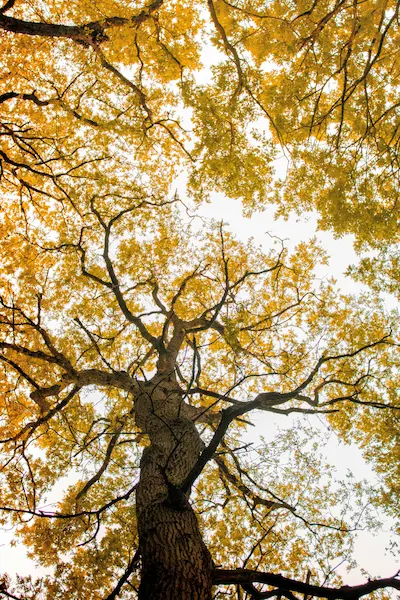
A healthy tree canopy supports entire ecosystems
⚠️ Critical Threats
- Urban expansion: 10M hectares lost annually
- Climate stress: Drought + heat waves
- Poor planning: Infrastructure damage
- Soil compaction: Root system failure
Did You Know?
Urban trees have 50% shorter lifespans than their rural counterparts due to stress factors.
The Real Threats to Trees Today
While climate change gets headlines, trees face a complex web of interconnected threats—many of which are human-made and solvable.
Urban Expansion
As cities grow, trees are often the first to face pressure. Land is cleared for roads, buildings, parking spaces, and new infrastructure. In many cases, even when trees are not cut down immediately, their surroundings change completely. The soil around them gets covered with concrete, rainwater can no longer reach their roots, and the space they need to grow becomes smaller. Over time, this stress weakens the tree and reduces its lifespan. What looks like development on the surface often leads to slow and silent tree loss.
Urban expansion also fragments green spaces into small, isolated patches. Trees that once stood as part of a continuous landscape are left alone between busy roads and construction sites. This affects not only the health of the trees but also the birds, insects, and animals that depend on them. Careful city planning, protection of existing mature trees, and creating enough open soil space around them can make a big difference. When trees are treated as essential urban infrastructure, cities become healthier and more livable for everyone.
Infrastructure Growth
Modern infrastructure such as wider roads, metro corridors, power lines, water pipelines, and drainage networks is essential for growing cities, but these projects often place existing trees under great strain. During construction, the area around the tree is dug up, and large roots are cut to create space for foundations and underground utilities. Heavy vehicles and equipment press down on the soil, making it hard and compact. This reduces the flow of air and water to the roots, which are vital for the tree’s survival. Even if the tree is left standing, this hidden damage slowly weakens it over time.
Much of this loss can be reduced with thoughtful planning and care. Simple steps such as marking and protecting the root zone, providing enough open soil around the base, and designing utility lines to avoid major roots can help trees stay healthy. After construction, regular watering and monitoring can support their recovery. When infrastructure projects are planned with trees in mind, development becomes more balanced. Cities can improve transport and public services while still preserving the green cover that makes urban life more comfortable and sustainable.
Heat Islands and Climate Stress
In many cities, natural ground has been replaced by concrete, asphalt, and glass. These surfaces absorb heat during the day and release it slowly at night, making urban areas much warmer than nearby rural regions. This is known as the heat island effect. Trees that once grew in cooler and more open conditions now face constant exposure to higher temperatures. The soil around them dries faster, water becomes scarce, and their leaves lose moisture more quickly. Over time, this continuous heat stress weakens the tree and reduces its ability to grow, flower, and support wildlife.
Climate change makes this situation even more difficult. Irregular rainfall, longer dry periods, and sudden heat waves create additional pressure on already stressed urban trees. Some species are unable to adapt to these rapid changes and begin to decline. Protecting existing trees and planting climate suitable native species can help cities cope with rising temperatures. When trees are given enough space, water, and healthy soil, they not only survive these harsh conditions but also help cool the surrounding environment, making urban areas more comfortable for people and other living beings.
Soil Compaction
Soil compaction is one of the most common and least visible problems faced by urban trees. It happens when the ground around a tree is constantly pressed down by vehicles, construction activity, or even repeated foot traffic. When soil becomes hard and tightly packed, the small air spaces inside it disappear. These spaces are important because they allow roots to breathe and absorb water. Without enough air and moisture, roots struggle to grow and slowly begin to weaken. From the outside, the tree may still look normal for some time, but the damage is already taking place below the surface.
Compacted soil also prevents rainwater from soaking into the ground. Instead of reaching the roots, water runs off into drains and is lost. This leads to dry conditions even during the rainy season. The tree then becomes more vulnerable to heat, pests, and disease. Protecting the soil around trees by keeping enough open space, reducing unnecessary movement over the root zone, and adding organic mulch can help restore its health. When the soil is loose and alive again, roots can spread freely and the tree regains its strength.
Urgent Challenge: Construction activities kill more urban trees than any other single factor. Root damage during infrastructure work often leads to slow tree death over 5-10 years.
Poor Urban Planning
Many problems faced by urban trees begin at the planning stage. Trees are often treated as decorative elements rather than living infrastructure that needs space and care. They are planted in very small pits, surrounded by concrete, or placed too close to buildings and roads. As the city grows, there is little room for their roots to expand or for rainwater to reach the soil. In some cases, the wrong species are planted in the wrong locations, which leads to weak growth and early decline. These planning decisions may look neat on paper, but they create long term stress for the trees.
Better planning can change this outcome completely. When trees are given enough open soil, proper spacing, and the right species selection, they grow stronger and require less maintenance. Integrating trees into road design, pedestrian spaces, and public areas from the beginning helps avoid future conflicts with infrastructure. Urban planning that respects trees also improves air quality, reduces heat, and makes neighborhoods more comfortable for people. When cities plan for trees in the same way they plan for water, transport, and power, they create healthier and more sustainable environments.
Climate Change Cascading Effects
Climate change does not affect trees in just one way. It creates a chain of stresses that slowly weaken them. Rising temperatures increase the loss of moisture from leaves and dry out the soil more quickly. Irregular rainfall brings longer dry periods followed by short spells of heavy rain, which the roots cannot absorb properly. Sudden heat waves, strong storms, and unseasonal weather disturb the natural growth cycle of trees. A tree that was once well suited to a place may begin to struggle because the climate around it has changed faster than it can adapt.
These changes also make trees more vulnerable to pests and diseases. When a tree is already under heat or water stress, its natural defense system becomes weaker. Insects and infections spread more easily, and recovery takes longer. In cities, where space and water are already limited, this combined pressure becomes even more serious. Protecting soil health, choosing climate resilient native species, and ensuring regular care can help trees withstand these cascading effects. When we support trees in adapting to a changing climate, they continue to protect us by cooling our surroundings, storing carbon, and stabilizing the environment.
Urban trees live in conditions that are very different from those in natural forests. They grow in limited soil, face constant pollution, deal with heat from surrounding buildings, and often receive less water than they need. Because of this, their survival rate is usually much lower than trees growing in open landscapes. Many young trees planted along streets or in public spaces do not live long enough to reach maturity. Lack of regular care, damage to the trunk or roots, and poor planting methods are some of the common reasons for this early loss. What looks like a green initiative in the beginning often fails quietly over time when long term maintenance is missing.
To improve survival rates, cities need to move from short term planting drives to long term tree care systems. This includes selecting the right species for each location, preparing the soil properly, ensuring regular watering in the first few years, and protecting the base of the tree from construction and vehicle movement. Monitoring tree health and keeping enough open space around the roots can make a significant difference. When urban trees are treated as essential assets rather than decorative elements, they live longer, grow stronger, and provide shade, cooling, cleaner air, and habitat for urban biodiversity.
Urban Survival Rates
Urban tree survival varies widely depending on how and where trees are planted and cared for. Studies that track street trees over time show that annual survival is usually high for established trees, often around 95 percent, but this still means a steady loss every year and a much shorter life compared to forest trees. In practical terms, many street trees live only about 19 to 28 years on average, and in a typical planting group only half may remain after 13 to 20 years. The early years are the most critical. In some projects, more than one third of newly planted trees were lost within the first two years when watering and maintenance were poor.
Care and location make a big difference to these numbers. Research shows that when young trees receive regular watering, proper planting, and community support, survival after five years can be around 70 percent or more. Trees planted in residential areas with active care often perform better than those along busy roads or in industrial zones, where survival can drop close to 60 percent. These patterns tell a simple but important story. Urban tree loss is not unavoidable. With the right planning, species selection, and long term maintenance, cities can dramatically increase survival rates and allow trees to reach maturity and deliver their full environmental benefits.
Maintenance Failures
One of the biggest reasons urban trees do not survive is the lack of consistent care after planting. In many places, planting is treated as a one day event, but the real work begins afterwards. Young trees need regular watering, especially during the first few years, along with support stakes, protection from grazing, and periodic checking of soil condition. When this care is missing, the sapling slowly dries out, becomes weak, and eventually dies. The loss often goes unnoticed because it happens gradually, long after the planting program is completed.
Maintenance failures also include improper pruning, damage to the trunk by vehicles or construction activity, and the sealing of soil with concrete or tiles. Sometimes trees are cut or heavily trimmed to make space for cables, signboards, or buildings without understanding how this affects their long term health. These actions reduce the tree’s ability to produce food, store energy, and fight disease. A simple system of regular monitoring, trained maintenance teams, and community involvement can prevent most of these problems. When care continues beyond planting, urban trees not only survive but grow into strong and valuable assets for the city.
Root Damage and Construction Impact
Roots are the life support system of a tree, but in cities they are often the first to be cut or disturbed during construction work. When foundations are dug for buildings, roads are widened, or underground cables and pipelines are laid, major roots are removed to create space. These roots are not just anchors. They absorb water and nutrients and store energy for the entire tree. Once they are damaged, the tree loses its stability and its ability to stay healthy. The effects are not always immediate. A tree may continue to stand for a few years and then suddenly begin to decline, making it seem as if the cause is unknown.
Construction activity also changes the level and quality of the soil around a tree. Dumping debris near the base, raising the ground level, or covering the area with concrete blocks the flow of air and water to the remaining roots. Heavy machinery moving over the root zone compacts the soil and further reduces root growth. Many of these impacts can be avoided by marking and protecting the root area before work begins and by planning construction around existing trees. When this care is taken, trees can continue to grow alongside new development instead of becoming silent victims of it.
🌳 Deep Dive: Urban Trees & Urban Forestry
Explore our comprehensive guide to managing tree populations in cities, from species selection to maintenance strategies.
→
Tree Survival and Longevity
What determines whether a tree lives for 50 years or 500? The answer involves genetics, environment, and increasingly—human intervention.
What Determines Lifespan?
The lifespan of a tree is shaped by a combination of its species, the place where it grows, and the care it receives over time. Some species are naturally long living and can survive for hundreds of years when given the right conditions. Others grow fast and have shorter lives. But even a long living species can decline early if the soil is poor, water is limited, or its roots do not have enough space to spread. Climate, sunlight, and protection from strong winds also play an important role in how well a tree grows and how long it remains healthy.
Human activity is often the deciding factor in urban areas. Trees that are protected during construction, watered in their early years, and pruned correctly tend to live much longer. Damage to the trunk, cutting of major roots, soil compaction, and pollution can reduce their lifespan drastically. Regular monitoring and timely care can extend the life of a tree by many decades. In simple terms, a tree’s lifespan is not fixed. With the right environment and consistent care, it can continue to grow and support life far longer than we usually expect.
Species Differences
Not all trees grow, adapt, or live in the same way. Each species has its own natural growth rate, lifespan, and tolerance to stress. Some trees grow quickly and provide shade within a few years, but they may have a shorter life. Others grow slowly and take more time to establish, yet they become stronger and live for many decades or even centuries. There are species that can handle heat, pollution, and limited water, while some need rich soil, more space, and stable conditions to survive. Choosing the right species for the right place is one of the most important steps in successful tree conservation.
In urban areas, native species usually perform better because they are already adapted to the local climate, rainfall pattern, and soil type. They also support local birds, insects, and other forms of biodiversity. When unsuitable or purely ornamental species are planted without understanding their needs, they often struggle to survive and require constant maintenance. A thoughtful mix of long living native trees and carefully selected hardy species can create a healthier and more resilient urban green cover that lasts for generations.
Root Health: The Hidden Foundation
The real strength of a tree lies below the ground. Roots anchor the tree, absorb water and nutrients, and store the energy needed for growth, flowering, and recovery from stress. In natural conditions, roots spread wide and deep, often extending far beyond the visible canopy. This underground network also connects with fungi and soil organisms that help the tree take in minerals and stay healthy. When the root zone has loose, living soil and enough space, the tree above grows strong and stable.
In cities, this hidden foundation is often restricted or damaged. Roots are cut during construction, confined to small pits, or surrounded by concrete that blocks air and water. When roots cannot expand, the tree becomes weak even if the trunk and leaves appear normal for some time. Signs of poor root health show up slowly as reduced leaf size, drying branches, or a thinning canopy. Protecting the soil around the tree, keeping enough open ground, and avoiding unnecessary digging near the base can make a huge difference. Healthy roots mean a longer life and better resilience for the entire tree.
Water Stress and Drought Tolerance
Water is one of the most critical needs for a tree, especially during its early years and in hot urban environments. It carries nutrients from the soil to the leaves, supports the process of making food through photosynthesis, and helps the tree stay cool. When water is not available in sufficient quantity, the tree begins to reduce its growth to survive. Leaves may become smaller, turn yellow, or fall early. Prolonged dryness weakens the entire system and makes the tree more vulnerable to pests and disease. In cities, this stress is common because rainwater often runs off quickly from paved surfaces instead of soaking into the soil.
Some species are naturally more tolerant to dry conditions and can survive with less water once they are well established. These trees usually have deeper or more efficient root systems and leaves that reduce moisture loss. Selecting such species for water scarce areas can greatly improve survival rates. At the same time, simple practices like mulching, allowing rainwater to percolate into the soil, and providing regular watering during long dry periods can reduce water stress. When trees receive the right amount of moisture at the right time, they grow stronger, live longer, and continue to support the environment around them.
📖 Weekly Series: Tree Survival and Longevity
Our ongoing series explores the science of tree lifespan, from cellular aging to environmental pressures.
→
Longevity Champions
- Bristlecone Pine: 5,000+ years
- Giant Sequoia: 3,000+ years
- Oak: 1,000+ years
- Urban street tree: 20-50 years (average)
Lifespan Factors
Tree longevity depends on:
- Genetic potential
- Soil quality
- Water availability
- Pollution exposure
- Maintenance quality
🛰️ Technologies We Use
- NDVI: Vegetation health index
- Sentinel-2: 10m resolution imagery
- MODIS: Global change detection
- LiDAR: 3D canopy structure
- Machine Learning: Predictive modeling
Using NDVI analysis, we tracked 10,000+ trees over 5 years, predicting mortality with 85% accuracy.
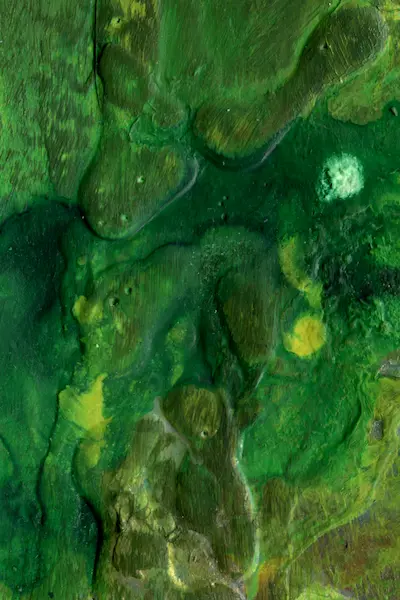
NDVI shows tree health from space
Scientific & Data-Driven Conservation
This is where I Hug Trees becomes unique. While most environmental organizations talk about conservation, we track it from space with precision data.
NDVI Monitoring: Reading Tree Health from Space
NDVI, or Normalized Difference Vegetation Index, is a simple but powerful way to understand how healthy trees are by using satellite images. Every green leaf reflects and absorbs light in its own way. Healthy leaves absorb most of the visible red light for photosynthesis and reflect a large portion of near infrared light. By measuring this difference, NDVI creates a value that tells us how green and active the vegetation is. Higher values usually mean dense and healthy growth, while lower values can indicate stress, sparse leaves, or damage. What makes NDVI special is that it allows us to observe thousands of trees across large areas at the same time without physically visiting each location.
This kind of monitoring helps us see changes that are not always visible from the ground. A slow decline in canopy health, water stress during dry months, or recovery after rainfall can all be tracked through regular NDVI analysis. It also allows cities and conservation groups to identify areas where trees are struggling and take action early. Instead of reacting after trees start dying, NDVI gives us the ability to plan care in advance. In this way, satellite based monitoring becomes a practical tool for long term tree conservation, helping us protect green cover with data, clarity, and consistency.
Satellite Remote Sensing
Satellite remote sensing allows us to observe trees and green cover across entire cities, regions, and even countries from space. Different satellite platforms capture images of the Earth at regular intervals, creating a continuous record of how landscapes change over time. Some satellites provide high resolution images where individual tree crowns can be identified, while others capture wider areas more frequently to show seasonal patterns. This combination of spatial detail and time based observation helps us understand not just where trees are located, but how they are growing, declining, or recovering.
The frequency of these images is especially important for conservation work. With new data arriving every few days, it becomes possible to monitor the same area repeatedly and detect small changes in canopy density, greenness, or land use. This helps in tracking the impact of heat waves, drought, construction activity, or restoration efforts. Instead of relying only on field surveys, which take time and cover limited ground, satellite remote sensing provides a consistent and large scale view. It turns tree conservation into a measurable and trackable process, making planning and protection more accurate and effective.
Mortality Tracking and Early Warning
Mortality tracking means observing trees over time to understand which ones are declining and why. In the past, tree loss was usually noticed only after the damage had become severe. Today, with regular monitoring through field data and satellite analysis, early signs of stress can be detected much sooner. A gradual reduction in greenness, thinning of the canopy, or slower seasonal recovery can indicate that a tree is under pressure. By identifying these patterns early, it becomes possible to take corrective action such as improving water supply, protecting the root zone, or reducing nearby construction impact.
Predictive analytics takes this a step further by using past and present data to estimate future risk. When information about climate, soil moisture, species type, and growth patterns is combined, it can show which areas are more likely to face tree loss in the coming years. This helps cities and conservation groups move from reactive work to preventive care. Instead of replacing dead trees again and again, they can protect the ones that are already growing. Early warning systems save time, reduce costs, and most importantly, allow trees to live their full natural lifespan.
Greenness Analysis Over Time
Greenness analysis over time is the study of how the health and density of tree cover changes across months and years. By comparing satellite images taken at regular intervals, we can see whether an area is becoming greener, losing vegetation, or staying stable. Seasonal patterns become clear through this approach. For example, trees may show strong growth after the monsoon and mild stress during peak summer. When these patterns are tracked continuously, it becomes easier to separate natural seasonal change from long term decline caused by heat, water shortage, or human activity.
This time based view is very important for planning conservation work. A single image gives only a snapshot, but a sequence of images tells a story. It shows how trees respond to new construction, how quickly a restored area recovers, and which locations are under repeated stress year after year. With this knowledge, efforts can be focused where they are needed the most. Greenness analysis also helps measure the success of plantation drives and protection programs in a clear and scientific way. Instead of guessing, we can see real change unfolding over time and make better decisions for the future of urban and rural tree cover.
Innovation: Our predictive models can identify trees at risk 6-18 months before visible symptoms appear, enabling preventive intervention.
Predictive Survival Modeling
Predictive survival modeling uses data to understand how likely trees are to live, decline, or recover in a given environment. It brings together information such as species type, soil condition, rainfall patterns, temperature, canopy health, and past growth trends. When these factors are studied together, clear patterns begin to appear. For example, certain species may struggle in high heat zones, while others show strong recovery after the monsoon. By learning from these patterns, it becomes possible to estimate which trees are at risk and which areas need immediate care.
Machine learning tools make this process faster and more accurate by analyzing large amounts of data collected over time. Instead of waiting for visible damage, conservation teams can receive early signals about stress and take preventive action. This helps in planning watering schedules, selecting climate suitable species, protecting vulnerable locations, and improving plantation success rates. Predictive survival modeling turns tree conservation into a forward looking system where decisions are based on evidence, allowing more trees to reach maturity and continue supporting the urban environment.
Ground Truth Validation
Ground truth validation is the process of checking satellite and data based observations with real conditions on the ground. While remote sensing can show patterns of greenness, canopy density, or stress, field visits help confirm what is actually happening to the trees. By physically observing leaf health, soil moisture, trunk condition, pest attacks, and root damage, we can match the data with reality. This step improves accuracy and builds trust in the monitoring system because every digital signal is supported by direct observation.
It also helps in refining future analysis. When field teams record what they see and compare it with satellite values, the models become more reliable over time. For example, a drop in greenness in the data may be linked to water shortage, construction impact, or seasonal leaf shedding. Once this relationship is understood, similar signals in other areas can be interpreted correctly. Ground truth validation creates a strong bridge between technology and real world conservation work, ensuring that decisions are practical, timely, and effective.
No environmental blog is doing this at scale. This is your unfair advantage—combining satellite technology with boots-on-the-ground validation to create actionable conservation intelligence.
📊 Weekly Series: Data-Driven Tree Monitoring
Learn how NDVI, remote sensing, and AI are revolutionizing tree conservation.
→
Desert restoration is the process of bringing life back to dry and degraded landscapes by rebuilding soil health and establishing suitable tree and plant cover. It does not mean turning deserts into dense forests, but helping the land regain its natural balance. In many regions, overgrazing, deforestation, and poor water management have made the soil loose and lifeless. By planting hardy native species, creating small water harvesting structures, and protecting the land from further disturbance, the ground slowly begins to hold moisture again. Once this happens, grasses, shrubs, insects, and birds start returning, and the entire ecosystem becomes active.
Trees play a careful and supportive role in this process. Drought tolerant species provide shade, reduce wind speed, and prevent the topsoil from being blown away. Their fallen leaves add organic matter and improve the soil’s ability to store water. Over time, this creates small pockets of fertility where more life can grow. Successful desert restoration depends on selecting the right species, understanding local climate conditions, and giving long term protection rather than short term planting. With patience and the right approach, even highly degraded drylands can slowly become stable and productive landscapes again.
Arid Land Restoration
Restoring arid land is challenging because water is scarce, temperatures are high, and the soil often lacks organic matter. Strong winds can remove the fertile top layer, and sudden bursts of rain may run off quickly instead of soaking into the ground. In such conditions, planting trees without preparation rarely succeeds. The first step is to slow down water movement and help the soil hold moisture. This can be done through small trenches, contour bunds, mulching, and protecting the surface with natural ground cover. These simple methods allow rainwater to percolate into the soil and create a more stable environment for plant life.
Choosing the right species is equally important. Native and drought tolerant trees that are adapted to local conditions have a much higher survival rate. Once established, they reduce wind speed, improve soil fertility through leaf fall, and create shade that lowers ground temperature. Over time, these changes support the return of grasses, shrubs, insects, and birds. Arid land restoration is a slow process that requires patience and continuous protection, but with the right techniques it can transform degraded landscapes into living systems that support both nature and local communities.
Afforestation vs Reforestation
Afforestation and reforestation are both methods of increasing tree cover, but they are used in different situations. Afforestation means planting trees in areas where there were no forests in the recent past, such as open degraded land or barren spaces. The goal is to create a new green cover that can improve soil quality, reduce heat, store carbon, and support biodiversity over time. Reforestation, on the other hand, is the process of bringing back trees to places where forests once existed but were lost due to human activity, fire, or natural disasters. It focuses on restoring the original ecosystem as closely as possible.
Understanding this difference is important for successful conservation. Reforestation usually has a higher survival rate because the land has supported trees before and still retains some of its natural soil structure and microbial life. Afforestation requires more careful planning, especially in dry or fragile landscapes, because introducing trees in the wrong place or planting unsuitable species can disturb existing ecosystems. In both cases, the use of native species, long term protection, and proper maintenance determines whether the effort will create a healthy and self sustaining green cover.
Native Species Importance
Native tree species are those that have grown naturally in a region for centuries and are fully adapted to its climate, soil, rainfall pattern, and local wildlife. Because they belong to that landscape, they usually require less water, fewer external inputs, and minimal maintenance once they are established. They are more resistant to local pests and diseases and are better able to handle seasonal changes. This makes them a reliable choice for long term conservation, especially in urban and restoration projects where survival conditions are often difficult.
Native trees also support a much richer web of life. Local birds, butterflies, bees, and small animals depend on them for food, nesting, and shelter because they have evolved together over time. When non native or ornamental species are planted in large numbers, they may look green but they do not provide the same ecological value. Careful species selection based on local ecology helps create self sustaining green spaces that grow stronger with time. By prioritizing native species, tree conservation becomes not just about increasing numbers, but about restoring living ecosystems.
🌵 Explore: Desert Greening & Arid Land Restoration
Our complete guide to transforming deserts into green landscapes through science-based reforestation.
→
Trees and Climate Change
Trees are both victims and heroes in the climate crisis—suffering from extreme weather while simultaneously offering one of our best natural solutions.
Carbon Sequestration at Scale
Trees absorb carbon dioxide from the atmosphere during photosynthesis and store it in their trunk, branches, roots, and leaves. This process is known as carbon sequestration, and it plays a major role in reducing the impact of climate change. A single mature tree can store a significant amount of carbon over its lifetime, but the real impact is seen when large numbers of trees grow together across cities, forests, and restoration landscapes. As tree cover increases, more carbon is removed from the air and held safely in living biomass and in the soil, helping to slow the rise of global temperatures.
For carbon capture to work at scale, the focus must be on long term tree survival and not just on planting large numbers of saplings. Mature, healthy trees store far more carbon than young plants, and protecting existing green cover is often more effective than starting new plantations. Monitoring growth through satellite data, choosing long living native species, and allowing trees to reach full size are key steps in maximizing this benefit. When conservation is planned with continuity and care, trees become one of the most reliable natural systems for capturing and storing carbon over decades.
Heat Reduction in Urban Areas
Trees reduce heat in cities by providing shade and by cooling the air through the release of moisture from their leaves. When sunlight falls directly on roads, buildings, and parked vehicles, these surfaces absorb and store heat, making the surrounding area much warmer. The canopy of a tree blocks a large part of this radiation and keeps the ground below noticeably cooler. At the same time, the natural process of transpiration releases water vapor into the air, which lowers the surrounding temperature and improves comfort for people walking or living nearby.
When many trees are distributed across streets, parks, and residential areas, the combined cooling effect can change the microclimate of an entire neighborhood. This reduces the need for air conditioning, lowers energy consumption, and improves air quality. Cooler outdoor spaces also encourage walking, cycling, and community activity. Protecting mature trees and increasing urban green cover is one of the simplest and most effective ways to make cities more climate resilient and livable in the face of rising temperatures.
Storm Buffering and Flood Mitigation
Trees play an important role in protecting cities and rural landscapes during storms and heavy rainfall. Their canopies act like natural shields that slow down the force of falling rain, allowing water to reach the ground more gently. This reduces soil erosion and prevents large amounts of water from flowing rapidly into drains and low lying areas. At the same time, the roots hold the soil together and create channels that help rainwater soak into the ground. This natural absorption reduces surface runoff and lowers the risk of sudden flooding.
In coastal and cyclone prone regions, rows of strong trees can also reduce wind speed and act as protective barriers for nearby settlements and farmland. In urban areas, where most surfaces are covered with concrete, the presence of trees helps manage excess rainwater by increasing infiltration and improving soil moisture storage. When tree cover is lost, stormwater moves faster and the chances of waterlogging increase. By conserving existing trees and planting them in the right locations, we create a natural support system that makes our landscapes more resilient to extreme weather events.
Climate Adaptation Strategies
Climate adaptation in tree conservation means preparing our green spaces to survive rising temperatures, irregular rainfall, and more frequent extreme weather events. One of the most effective steps is selecting species that are naturally suited to local conditions and are known to tolerate heat, drought, or waterlogging. In many regions, this means giving priority to hardy native trees that have already adapted to the climate over centuries. Planting a diverse mix of species is also important because it reduces the risk of large scale loss when one particular species is affected by pests, disease, or sudden climate stress.
Good adaptation strategies also focus on improving the growing conditions around the tree. Protecting open soil, increasing rainwater infiltration, using organic mulch to retain moisture, and avoiding root disturbance help trees cope with long dry periods and heat waves. Regular monitoring allows early identification of stress so that timely care can be given. When cities and restoration projects combine the right species selection with long term soil and water management, trees become more resilient and continue to provide shade, cooling, carbon storage, and biodiversity support even in a changing climate.
Carbon Impact
1 Billion
Trees needed for major impact
Climate Benefits
- Absorb 7.6 billion tonnes CO₂/year
- Cool cities by 2-9°F
- Reduce energy use 20-50%
- Prevent soil erosion
New technologies are changing the way we understand and protect trees. Real time monitoring through satellites, ground sensors, and mobile based field surveys now makes it possible to track tree health continuously instead of depending only on occasional inspections. Artificial intelligence can study large volumes of this data and quickly identify patterns that would take years to notice manually. Early signs of stress, slow canopy decline, or areas with repeated tree loss can be detected in time for preventive action. This shift from reactive work to predictive care will help cities and conservation groups save more trees and use their resources more efficiently.
The future also lies in integrating trees into the core of urban planning rather than treating them as an afterthought. Digital tree maps, growth forecasting, and climate suitability models can guide where and what to plant for maximum survival and long term benefit. When this information is linked with road design, water management, and public space planning, trees become part of essential city infrastructure. With the support of technology and thoughtful design, tree conservation will move from scattered efforts to a connected and intelligent system that protects green cover for generations.
AI-Powered Monitoring
Artificial intelligence is making tree conservation faster, more accurate, and more proactive. By studying satellite images, drone data, weather records, and field observations together, AI systems can detect small changes in canopy health that are difficult for the human eye to notice. A gradual drop in greenness, unusual seasonal behavior, or repeated stress in a particular location can be identified automatically. This allows conservation teams to receive early alerts and take action before visible damage occurs. Instead of inspecting trees one by one, large areas can be monitored continuously with consistent accuracy.
AI also helps in planning and decision making. It can suggest which species are most suitable for a specific location, predict how trees will grow over time, and identify zones where survival rates are likely to be low without intervention. Maintenance schedules, watering needs, and restoration priorities can be optimized using these insights. When combined with ground verification and local knowledge, AI becomes a powerful support tool that strengthens long term conservation efforts and helps more trees reach maturity in both urban and rural landscapes.
Real-Time Tree Health Dashboards
Real time tree health dashboards bring all monitoring information into one clear and accessible platform. Data from satellites, field surveys, weather stations, and sensor networks can be combined to show the current condition of tree cover across a city or a restoration site. Instead of looking at separate reports, planners and conservation teams can view maps that highlight healthy zones, stressed areas, recent losses, and locations where recovery is happening. This visual approach makes it easier to understand complex information and take quick, informed decisions.
These dashboards also help in long term management. Changes in greenness over time, survival rates of newly planted trees, water stress during dry periods, and the impact of construction can all be tracked in one place. With regular updates, they become living systems that guide daily care as well as future planning. When such platforms are shared with communities and local authorities, they create transparency and encourage collective responsibility. Real time monitoring turns tree conservation into a measurable, accountable, and continuously improving process.
Integration with Urban Planning
For tree conservation to succeed in the long term, it must become a basic part of urban planning rather than an activity that happens after construction is complete. When roads, buildings, drainage systems, and public spaces are designed, the needs of trees should be included from the beginning. This means identifying and protecting existing mature trees, allocating enough open soil for root growth, planning continuous green corridors, and ensuring that rainwater can reach the ground. When trees are treated as essential infrastructure, just like water supply or transport networks, cities become cooler, healthier, and more resilient.
Systematic integration also allows better use of data and technology. Digital tree maps, climate suitability studies, and growth forecasts can guide where new plantations will survive best and where extra protection is needed. Coordination between urban planners, engineers, ecologists, and local communities ensures that development does not lead to unnecessary tree loss. Over time, this approach reduces maintenance costs, increases survival rates, and creates well connected green spaces that support both people and biodiversity. A city that plans with trees in mind builds a more balanced and sustainable future.
This is where I Hug Trees becomes visionary. We are not just documenting the present. We are building the monitoring infrastructure for the future.